
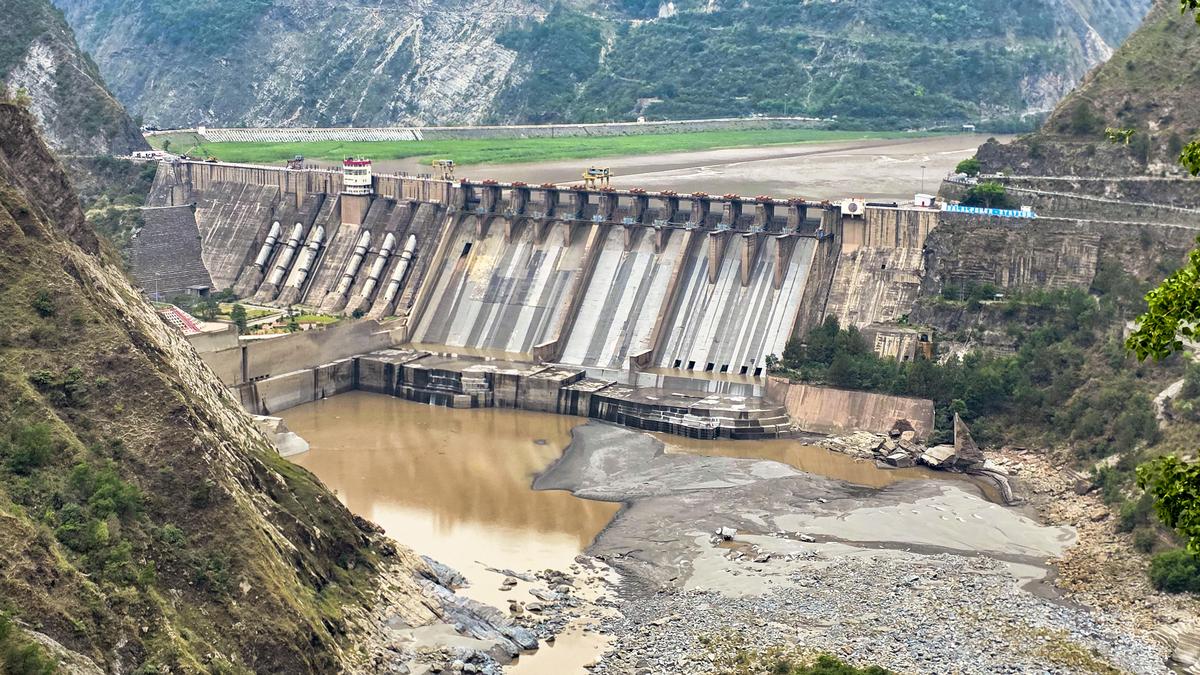
The Indian government has reiterated its uncompromising approach regarding the Indus Waters Treaty, making it clear that Pakistan should not expect any additional water flows from India in the foreseeable future. The statement reflects New Delhi’s increasingly assertive position on one of the most sensitive issues between the two neighbouring countries.
Officials indicated that India’s future plans regarding river water management will be guided by national interests and the optimal utilization of available water resources within the country.
Background of the Indus Waters Treaty
Signed in 1960 with international mediation, the Indus Waters Treaty has long governed the distribution of water from the Indus river system between India and Pakistan. The agreement allocated the eastern rivers to India and granted Pakistan primary rights over the western rivers, while also allowing India limited usage under specified conditions.
For decades, the treaty survived multiple periods of political and military tensions, often being cited as an example of successful cross-border cooperation despite strained bilateral relations.
Rising Tensions Influence Water Policy
Recent years have witnessed increasing friction between India and Pakistan over several geopolitical and security-related issues. Against this backdrop, discussions surrounding the future implementation of the treaty have gained greater significance.
Government representatives emphasized that India intends to maximize the use of water resources legally available under the existing framework. Authorities have also underlined the importance of strengthening infrastructure projects aimed at improving irrigation, hydroelectric generation, and water conservation.

Focus on Domestic Water Utilisation
Officials stressed that priority will be given to ensuring that water resources benefit Indian citizens, farmers, and industries. Several initiatives aimed at enhancing storage capacity and expanding irrigation networks are expected to play an important role in this strategy.
Experts believe that improved water management could help address agricultural needs, support energy production, and contribute to long-term resource security.
Implications for Regional Relations
The issue of water sharing has historically remained one of the most delicate aspects of India-Pakistan relations. Any shift in implementation or interpretation of treaty provisions is closely watched by both countries and the international community.
Analysts suggest that continued dialogue and diplomatic engagement remain essential to preventing water-related disputes from escalating further. At the same time, both nations face growing challenges from climate change, changing rainfall patterns, and increasing demand for freshwater resources.
Strategic Importance of Water Security
As water scarcity becomes a major global concern, governments across South Asia are increasingly focusing on sustainable management of river systems. India’s emphasis on utilizing its allocated share reflects a broader strategy aimed at securing long-term water availability and strengthening national infrastructure.
The developments surrounding the Indus Waters Treaty are expected to remain a key aspect of regional diplomacy and resource management in the years ahead.
India’s latest remarks underline a stronger and more assertive approach towards the Indus Waters Treaty. By prioritizing domestic water requirements and infrastructure development, the government has signalled that water security will remain a crucial component of its national strategy while continuing to shape relations with Pakistan.