
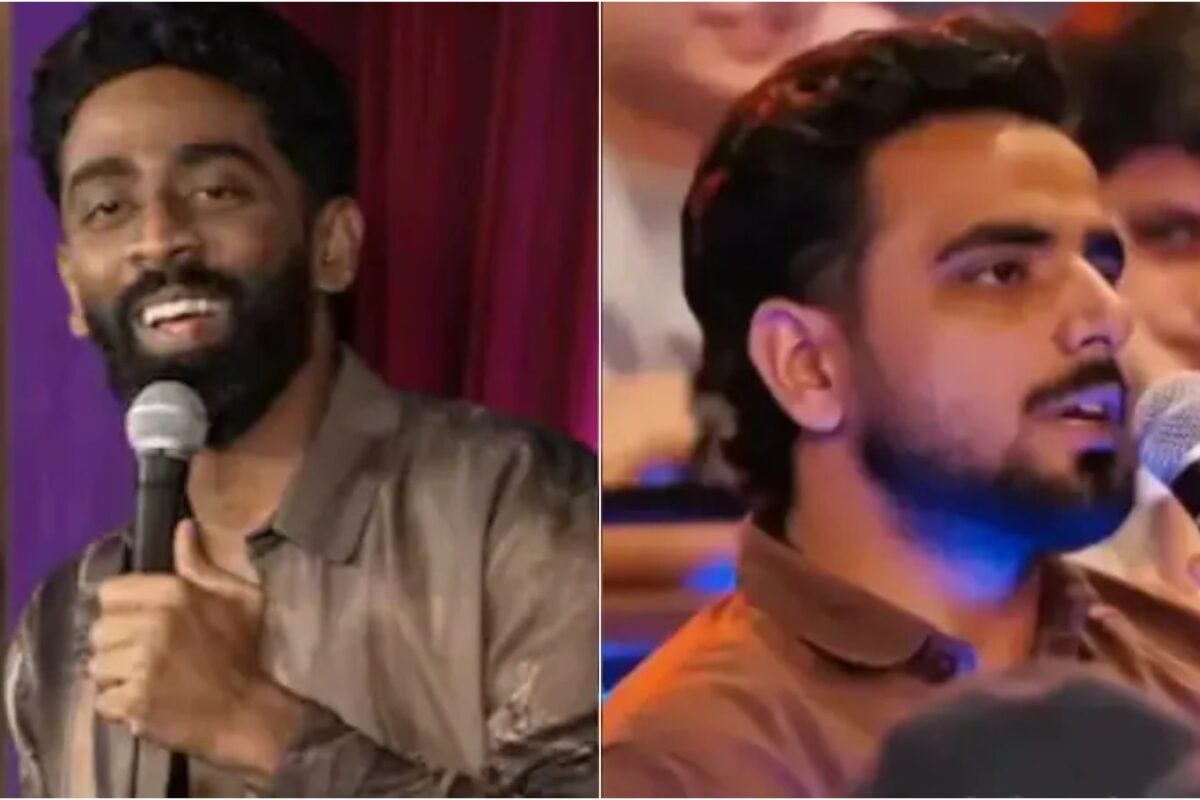
One of the biggest social media controversies of 2026 began with what was initially an ordinary crowd-work segment during a stand-up comedy performance by comedian Pranit More.
During the show, comedian Pranit More interacted with audience member Himanshu Jangra, a 22-year-old software professional from Gurugram. While discussing his dating experiences, Jangra narrated an incident involving a woman with whom he had gone out for a meal.
According to him, he spent approximately Rs 370 on chicken biryani during the outing. He then made a remark suggesting that because he had spent money on the date, he expected something in return and intended to “recover” the amount he had spent.
Many viewers interpreted the statement as implying an expectation of physical intimacy in exchange for paying for food. The clip soon spread across social media and became known as the “Rs 370 Biryani” controversy.
Why People Found the Remark Problematic
The backlash stemmed from the belief that the statement reflected a transactional attitude towards relationships and consent.
Critics argued that:
- Paying for a meal does not create obligations.
- Consent cannot be bought or expected in return for money spent.
- Such comments normalize misogynistic attitudes.
- Public platforms should discourage such viewpoints rather than celebrate them.
The issue quickly evolved from a joke into a wider discussion on dating culture, respect and gender sensitivity.
Why Pranit More Also Faced Criticism
Although the controversial statement came from Himanshu Jangra, comedian Pranit More also came under scrutiny.
Social media users accused the comedian of:
- Laughing at the remark.
- Encouraging the conversation.
- Failing to challenge the problematic statement.
- Turning the incident into entertainment instead of correcting it.
Many argued that comedians and content creators carry responsibility because their reactions influence audiences. Several users felt that the crowd-work segment should have been handled differently.
Influencers and Celebrities Reacted
As the video gained millions of views, numerous public personalities entered the debate.
Content creator Kusha Kapila criticized the handling of the situation and questioned why the audience member’s comments were encouraged rather than challenged.
Social media personality Elvish Yadav also reacted strongly, stating that the controversy highlighted the mistaken belief that consent has a “price tag.”
Former Army officer Khushboo Patani, sister of actor Disha Patani, condemned the remarks and emphasized the importance of respecting women.
Actor Malti Chahar later said that such attitudes explain why many women hesitate about marriage and relationships.
Himanshu Jangra Issued an Apology
As criticism intensified, Himanshu Jangra apologized publicly.
Reports indicated that he acknowledged the mistake and attempted to clarify that he never intended to promote disrespectful attitudes toward women.
Soon afterward, he reportedly deactivated his social media accounts amid mounting backlash.
Pranit More Also Apologized
Facing criticism himself, Pranit More issued an apology and admitted that he should have responded differently during the show.
Despite apologizing, the outrage continued, and the comedian later deactivated his Instagram account temporarily.
The Controversy Reached His Workplace
The incident took another dramatic turn when Himanshu Jangra’s employer conducted an internal review after receiving numerous complaints and messages.
The company stated that:
- There had been no complaints against him inside the workplace.
- Colleagues described him as professional.
- However, the viral controversy had begun affecting the organization’s image.
Eventually, the company decided to terminate his employment while also emphasizing that people should be given opportunities to learn and change.
Debate Over Whether Losing His Job Was Fair
His dismissal created another controversy.
One section of social media argued that:
- Actions have consequences.
- Public statements reveal personal values.
- Companies have the right to protect their reputation.
Another section believed:
- Punishment had gone too far.
- Personal mistakes outside the workplace should not determine employment.
- Society should leave room for reform and personal growth.
This transformed the discussion from misogyny to questions about cancel culture, online outrage and professional consequences.
The Larger Social Debate
The Rs 370 Biryani controversy eventually became much bigger than one viral clip.
It triggered conversations on:
- Consent and bodily autonomy.
- Dating expectations.
- Misogyny and gender stereotypes.
- The responsibility of comedians and influencers.
- Social media trials and cancel culture.
- Whether public mistakes should permanently define a person.
Why the Controversy Matters
What started as a few seconds from a stand-up comedy show eventually became one of India’s most discussed internet controversies.
The episode demonstrated how quickly digital content can influence real lives and highlighted the growing expectations placed on public figures, creators and audiences regarding issues of respect, accountability and consent.
For many observers, the controversy served as a reminder that relationships are based on mutual consent and respect—not financial transactions—and that words spoken casually on public platforms can carry consequences far beyond the stage on which they are first spoken.