
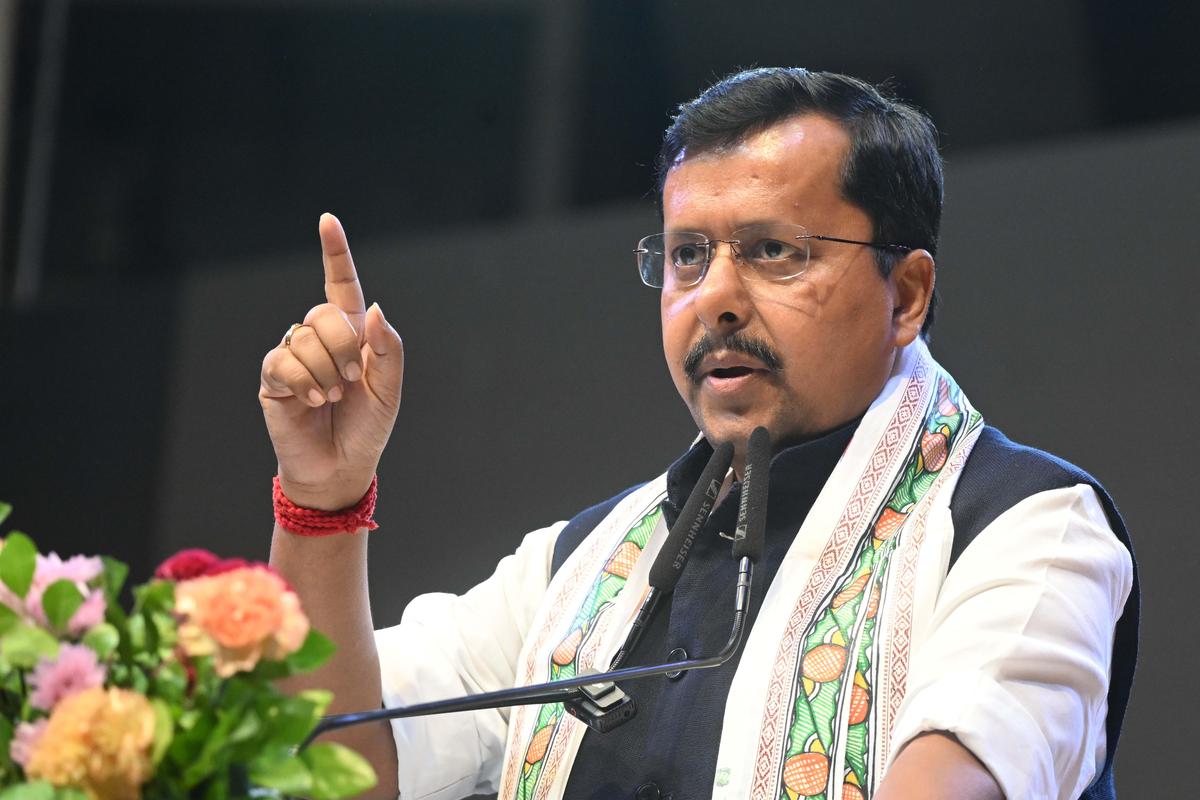
The Bharatiya Janata Party (BJP) has formed an 80-member internal working group aimed at understanding the concerns, political preferences and communication habits of Generation Z, as the party looks to strengthen its engagement with younger voters.
The initiative, described within the party as a form of “yuva samvad” or youth dialogue, is examining how the BJP should communicate with young Indians and whether its existing political messaging effectively connects with them. The group is also considering questions surrounding the relevance of Hindutva among younger generations and the language the party should use while reaching out to them.
The working group is being guided by Union Youth Affairs Minister Mansukh Mandaviya and has been divided into six smaller teams. The teams have reportedly held three meetings over the past few months and are preparing a broader report based on their discussions and observations.
Several BJP leaders and MPs have participated in the deliberations, including Gorakhpur MP Ravi Kishan, New Delhi MP Bansuri Swaraj, Bengaluru South MP Tejaswi Surya, Vadodara MP Hemang Joshi and BJP general secretary Smriti Irani.
BJP reassesses approach towards young voters
The formation of the group comes amid growing political attention on young voters and their ability to influence public discourse through social media, student movements and online campaigns.
According to people familiar with the discussions, one of the factors behind the exercise was the BJP’s assessment of the student protests in July over alleged examination paper leaks. The protests gained significant momentum and eventually contributed to the resignation of the then Union education minister.
The episode prompted the party to examine whether it had underestimated the scale of youth dissatisfaction and whether its communication channels were sufficiently effective in reaching younger audiences.
The working group has therefore been looking beyond conventional political campaigning. Its discussions include questions about the terminology used to describe younger Indians, the issues that influence their political choices and the type of language that is most likely to resonate with them.
Debate over Hindutva and youth messaging
One of the central questions reportedly discussed by the group is whether younger Indians continue to identify strongly with the BJP’s Hindutva-oriented political messaging.
Ravi Kishan suggested that the party should avoid unnecessarily emphasising an identity that many young Hindus may already regard as an inherent part of their background. Instead, he argued for greater emphasis on ideas such as spirituality, cultural values and “sanskar”.
The discussions also indicate that the BJP is considering whether the term “Gen Z” itself is appropriate for political communication. Some members have reportedly favoured using more familiar Indian terms such as “yuva” or “youth” instead.
The exercise reflects an attempt to adapt political communication to a generation that consumes information differently from previous generations and is heavily influenced by short-form videos, podcasts, social media personalities and digital communities.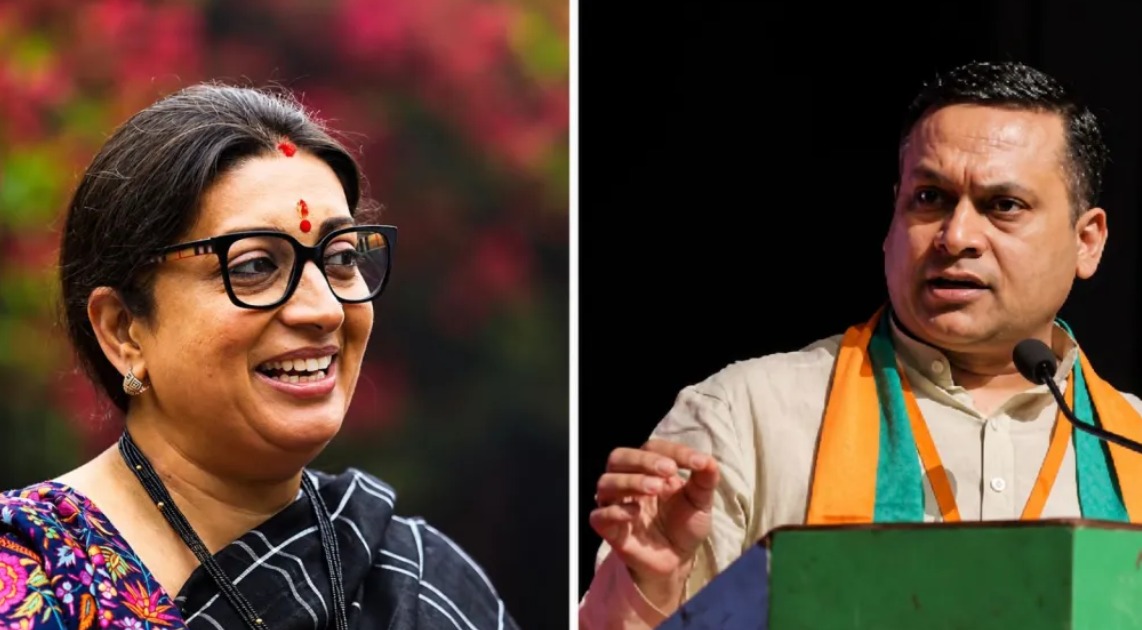
Ravi Kishan’s growing digital appeal
Ravi Kishan has emerged as one of the BJP leaders whose public profile has expanded beyond traditional political campaigning. His presence in films, web-based programmes, podcasts and social media content has helped him gain visibility among younger internet users.
Speaking about his approach, Kishan stressed the importance of authenticity and accepting mistakes rather than attempting to project an artificial image.
His comments form part of a broader discussion within the party about how political leaders can appear more relatable to younger audiences without compromising their political identity.
Protest strategy also discussed
The working group’s discussions have also influenced the BJP’s approach to countering Opposition-led street protests.
One conclusion reportedly reached during the deliberations was that the ruling side should respond to large Opposition gatherings with an even stronger mobilisation effort. For instance, if an Opposition protest draws around 10,000 participants, the BJP’s response should aim for a substantially larger turnout.
This approach has already been reflected in political activity surrounding recent Opposition demonstrations.
When Congress leader Rahul Gandhi and other Opposition figures marched towards the Supreme Court, BJP units organised counter-protests in Gujarat, Assam and other parts of the country. The BJP accused Gandhi of overlooking sexual harassment allegations involving Congress MP Bimol Akoijam. Akoijam has denied wrongdoing, and the political dispute has become part of the wider confrontation between the ruling party and the Opposition.
Modi’s Vadodara event offered glimpse of new strategy
Prime Minister Narendra Modi’s September 8 programme in Vadodara was among the events that followed the group’s deliberations.
The event incorporated elements designed to generate greater digital engagement. Popular music was played during the programme, while Modi’s movement along an extended L-shaped stage created visuals that were subsequently suitable for short-form social media content.
The approach illustrates the BJP’s increasing focus on how political events appear not only to people physically attending them but also to audiences consuming edited clips and reels online.
For a generation accustomed to visual and rapidly changing digital content, political communication increasingly depends on presentation as well as speeches and traditional campaign material.
Party considers reaching neutral voters and young women
The working group is also expected to broaden its engagement beyond voters who already have firm political preferences.
Two groups that may receive particular attention are politically neutral or undecided young people and young women.
Kishan highlighted the importance of engaging women, arguing that they represent half of the country’s population and should form an important part of any youth outreach strategy.
The issue has also become relevant because Opposition parties have increasingly featured young women leaders and activists in their public campaigns.
During a recent Opposition rally, Rahul Gandhi and Priyanka Gandhi Vadra were seen alongside young women associated with the Gen Z political movement, including Neha Bora, Aishe Ghosh and Jannat Bishnoi.
BJP seeks to understand a changing political generation
The BJP’s new initiative points to a broader recognition within India’s political landscape that younger voters cannot necessarily be approached using the same communication methods that worked with previous generations.
Young Indians increasingly encounter political information through Instagram-style short videos, podcasts, online discussions, influencers and rapidly circulating digital content. Their political concerns can also emerge through issues such as education, employment, examinations, technology, social mobility and accountability.
The BJP’s 80-member working group is therefore attempting to understand not only what young people think, but also how they consume information and what type of political communication they are likely to trust.
The party’s eventual report could influence its future youth outreach, messaging and mobilisation strategy as political competition increasingly moves into the digital space.