
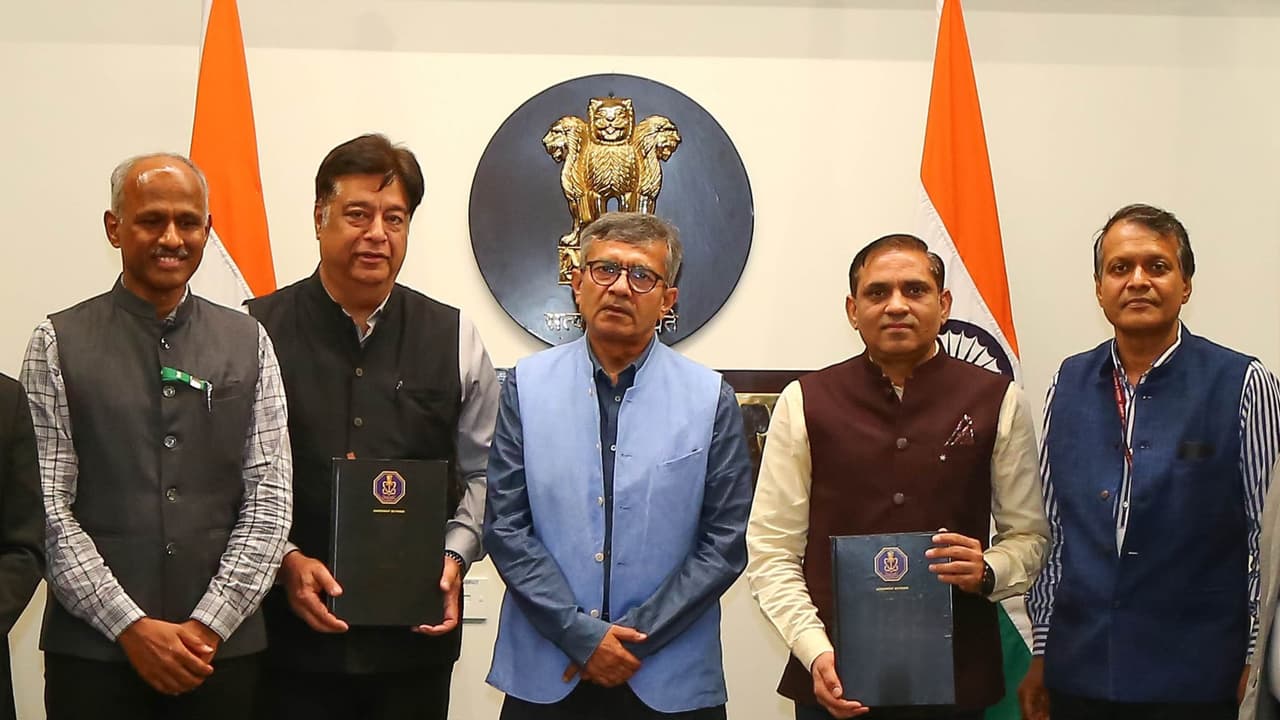
In a major boost to India’s maritime defence preparedness, the Ministry of Defence has signed a ₹449-crore contract for the procurement of 20 Enhanced Capability Global Navigation Satellite System (ECGNSS) Jammers for the Indian Navy. The move marks another significant step in India’s efforts to modernise its armed forces through indigenous technologies.
The systems will be supplied by Bengaluru-based Accord Software and Systems Private Limited and are expected to enhance the Navy’s ability to operate safely in increasingly complex and contested maritime environments.
What Is an ECGNSS Jammer?
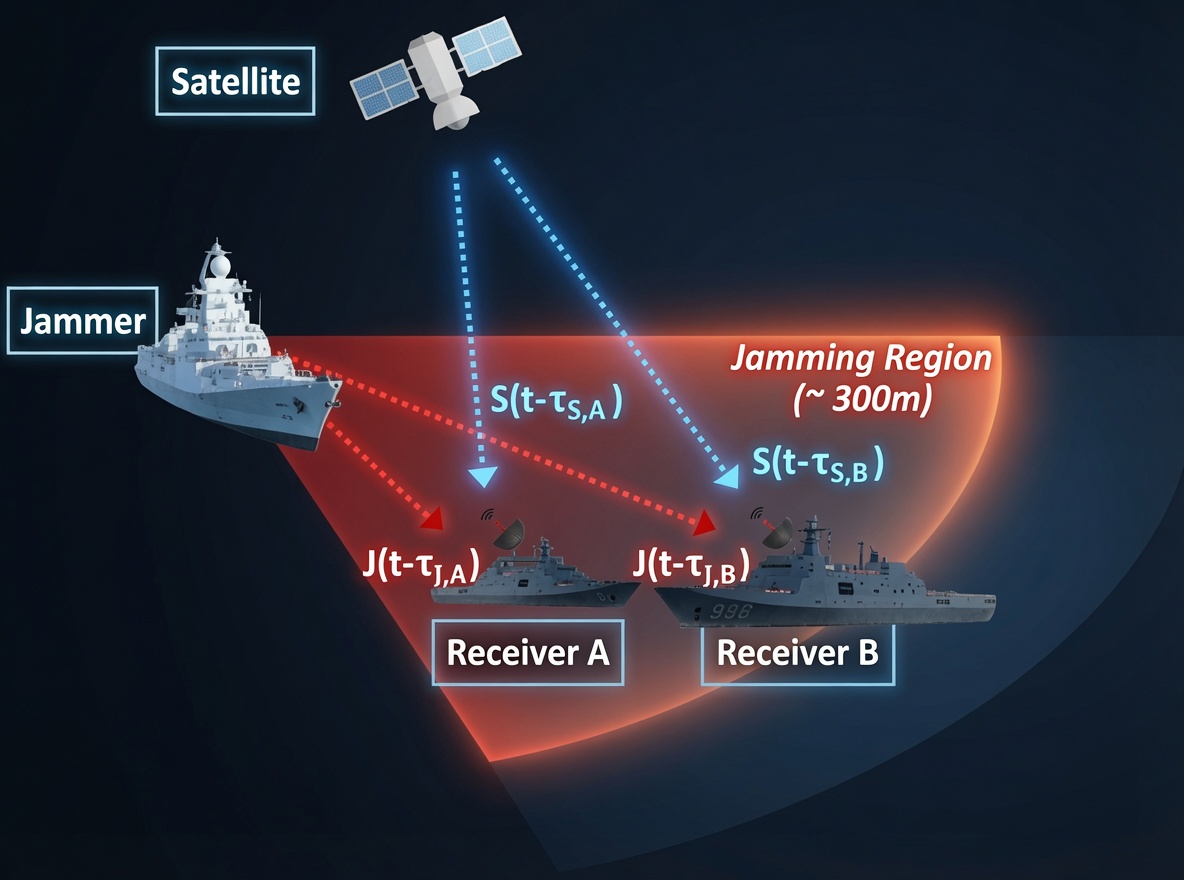
An Enhanced Capability Global Navigation Satellite System (ECGNSS) Jammer is an advanced electronic warfare system designed to interfere with enemy navigation signals. These systems can disrupt, degrade, or deceive satellite-based positioning technologies used by hostile forces.
Modern military platforms rely heavily on Global Navigation Satellite Systems (GNSS), including GPS and similar satellite networks, for navigation, targeting, and coordination. By deploying ECGNSS jammers, naval forces can reduce the effectiveness of adversary systems and protect their own assets during operations.
The technology is capable of:
- Disrupting enemy satellite signal acquisition.
- Interfering with navigation and tracking systems.
- Conducting signal spoofing or deceptive jamming.
- Improving survivability of naval platforms in hostile environments.
- Supporting operations in multi-threat scenarios.
Boost to India’s Maritime Security
Defence officials believe the induction of these systems will significantly enhance the operational capabilities of Indian warships. As naval warfare increasingly incorporates cyber and electronic domains, such technologies are becoming crucial components of modern defence strategy.
The jammers are expected to provide an additional layer of protection against hostile navigation systems and electronic threats, thereby improving mission effectiveness and fleet safety.
Strong Push for Indigenous Defence Manufacturing
The procurement falls under the “Buy (Indian-Indigenously Designed, Developed and Manufactured)” category and carries a minimum indigenous content requirement of 75 percent. The initiative aligns with the government’s broader vision of promoting self-reliance in defence manufacturing under the Aatmanirbhar Bharat and Make in India programmes.
Experts view the project as an important milestone in reducing dependence on imported military technologies while simultaneously encouraging domestic innovation and strengthening India’s defence industrial ecosystem.
Why Electronic Warfare Is Becoming Increasingly Important
Modern conflicts are no longer fought only with conventional weapons. Electronic warfare has emerged as a decisive factor in military operations worldwide. The ability to deny or manipulate enemy communications and navigation systems can provide a strategic advantage without direct kinetic engagement.
With increasing reliance on satellite-based technologies, the development of indigenous jamming systems has become a critical requirement for armed forces across the globe.
Enhancing Future Naval Operations
The acquisition of ECGNSS jammers reflects the Indian Navy’s broader modernisation plans aimed at preparing for evolving security challenges. These systems are expected to complement existing capabilities and improve operational resilience during missions across the Indian Ocean region and beyond.
As geopolitical competition intensifies and technological warfare becomes more sophisticated, investments in advanced electronic warfare platforms are likely to remain a priority for India’s defence establishment.
The ₹449-crore ECGNSS jammer project represents a significant advancement in India’s indigenous defence capabilities. By equipping the Indian Navy with cutting-edge electronic warfare systems, the government aims to strengthen maritime security, enhance operational readiness, and reinforce the country’s long-term strategic autonomy.