
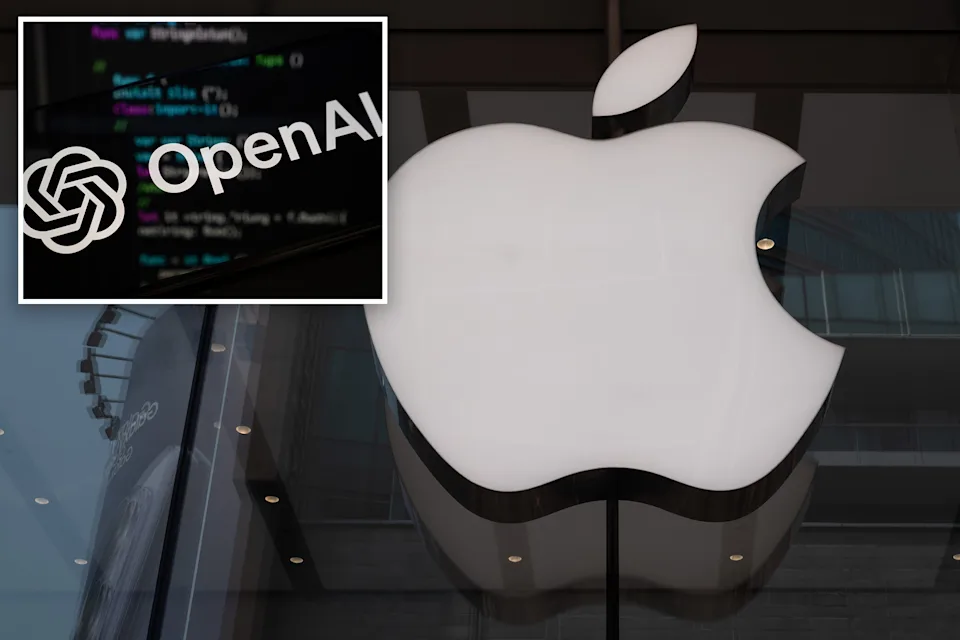
OpenAI has initiated legal proceedings against a former senior Apple executive, accusing him of unlawfully retaining confidential company information before joining a newly established artificial intelligence startup. The lawsuit has intensified competition within the rapidly expanding AI industry, where companies are investing heavily in talent, research, and proprietary technologies.
According to the legal complaint, the executive allegedly downloaded and retained sensitive internal documents related to OpenAI’s research, strategic planning, and product development before leaving the company. OpenAI argues that these materials contain valuable trade secrets that could provide an unfair competitive advantage if used by a rival business.
The legal action highlights growing concerns within the technology sector over intellectual property protection as companies race to dominate the next generation of artificial intelligence. With billions of dollars being invested in AI innovation, proprietary research and confidential business strategies have become some of the industry’s most valuable assets.
Allegations of Confidential Information Misuse
In its complaint, OpenAI claims that the former executive accessed a significant number of confidential files shortly before resigning. The company alleges that the documents included internal planning materials, product roadmaps, engineering information, research data, and business strategies developed through years of investment and innovation.
OpenAI contends that these files were retained without authorization and could potentially be used to accelerate the development of competing AI technologies. The company maintains that safeguarding confidential information is essential to protecting its research investments and maintaining fair competition within the AI sector.
The lawsuit seeks legal remedies that would prevent the alleged use or disclosure of the confidential information while requesting the return or destruction of any proprietary documents that may still be in the executive’s possession.
New AI Venture at the Center of the Dispute
The former executive has reportedly become involved in a new artificial intelligence venture that aims to develop advanced AI-powered technologies. OpenAI argues that the timing of the executive’s departure, combined with the alleged retention of confidential information, raises serious concerns regarding the protection of trade secrets.
Although employees frequently move between major technology companies, legal experts note that organizations remain entitled to protect confidential research, internal documents, and proprietary technology from unauthorized use.
Trade secret disputes have become increasingly common as AI companies compete aggressively for experienced engineers, researchers, and senior executives capable of leading major technological breakthroughs. 
AI Industry Faces Intensifying Competition
The lawsuit comes at a time when competition among artificial intelligence companies is reaching unprecedented levels. Technology firms worldwide are investing billions of dollars in large language models, generative AI systems, enterprise software, robotics, and next-generation computing infrastructure.
As the commercial value of AI continues to rise, companies are placing greater emphasis on protecting proprietary algorithms, training methods, product development strategies, and confidential research.
Industry analysts believe that intellectual property disputes are likely to become more frequent as businesses seek to defend innovations that require enormous investments of time, computing resources, and financial capital.
Legal Battle Could Shape Future AI Employment Practices
The case could establish important legal precedents regarding how confidential information is handled when senior executives transition between competing AI companies.
Legal experts suggest that courts may closely examine issues including employee obligations, digital data retention, confidentiality agreements, and the definition of trade secrets in an era where artificial intelligence research evolves rapidly.
The outcome may also influence how technology companies strengthen internal security measures, monitor access to sensitive documents, and enforce contractual obligations designed to protect proprietary information.
Growing Importance of Trade Secret Protection
Unlike patents, trade secrets derive their value from remaining confidential. Companies often rely on strict internal security policies, employee agreements, and legal protections to prevent valuable business information from being disclosed or misused.
For AI developers, proprietary datasets, model architectures, engineering processes, and long-term strategic planning represent significant competitive advantages. Losing control over such information could affect product development timelines and market positioning.
As a result, technology companies are becoming increasingly proactive in pursuing legal action whenever they believe confidential information has been improperly retained or disclosed.
Wider Impact on the Technology Sector
The lawsuit reflects broader challenges facing the global technology industry as businesses compete for top talent while attempting to safeguard intellectual property. The balance between employee career mobility and corporate confidentiality remains a complex legal issue that continues to evolve alongside technological advancements.
Observers say the case will be closely watched by technology companies, investors, legal experts, and policymakers because its outcome could influence future employment practices and intellectual property enforcement across the AI ecosystem.
As artificial intelligence becomes an increasingly strategic industry worldwide, disputes involving trade secrets, proprietary research, and competitive practices are expected to play a significant role in shaping the sector’s future.