
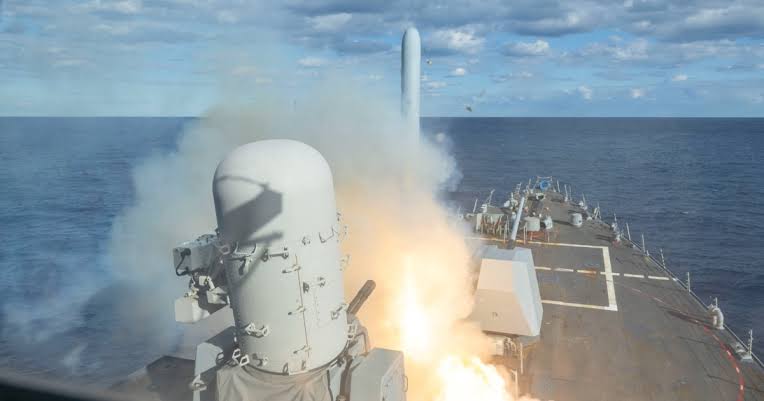
The United States has delivered a strong warning to Iran, demanding an immediate end to attacks targeting commercial shipping in the Strait of Hormuz as tensions across the Middle East continue to intensify. The latest diplomatic and military pressure comes amid growing fears that continued disruptions in one of the world’s most important maritime trade routes could trigger wider regional instability and significantly impact global energy markets.
According to senior US officials, Washington has made it clear that any further attacks on vessels navigating through the Strait of Hormuz would carry serious consequences. The warning reflects increasing concern over maritime security as repeated incidents in the region threaten international shipping, oil exports, and broader economic stability.
Strategic Importance of the Strait of Hormuz
The Strait of Hormuz is one of the world’s most strategically significant waterways, serving as the primary route for transporting crude oil and liquefied natural gas from Gulf producers to international markets. Nearly one-fifth of the world’s oil supply passes through the narrow maritime corridor, making any disruption capable of influencing global fuel prices and international trade.
Because of its strategic importance, the waterway has long been a focal point of geopolitical rivalry between Iran and Western nations. Military confrontations, naval patrols, and periodic threats to commercial vessels have repeatedly heightened tensions in the region over the past several years.
Washington Demands Immediate Halt to Maritime Attacks
US officials stressed that freedom of navigation remains a fundamental principle of international law and warned that attacks on civilian or commercial shipping cannot continue unchecked. The latest message from Washington reportedly urges Iran to stop all hostile actions affecting maritime traffic before the situation escalates further.
The warning also signals the United States’ intention to maintain a strong military presence in the Gulf to protect commercial shipping lanes and reassure regional allies. American officials have reiterated their commitment to safeguarding international trade routes and responding to threats against global maritime security. 
Iran Faces Growing International Pressure
Iran has repeatedly faced accusations from the United States and several allied nations over alleged involvement in attacks on commercial vessels operating in Gulf waters. Tehran has often rejected direct responsibility for such incidents, insisting that it seeks regional stability while accusing foreign powers of increasing military tensions in the area.
Despite these denials, international concern has continued to grow as shipping companies remain cautious about operating in waters considered vulnerable to military confrontation.
Diplomatic observers believe that the latest US warning represents another attempt to deter further escalation while encouraging restraint from all parties involved.
Conflict Raises Global Energy Concerns
The ongoing conflict has renewed fears over potential disruptions to global energy supplies. Financial markets closely monitor developments in the Strait of Hormuz because any interruption in oil shipments can quickly affect international crude prices, transportation costs, and inflation.
Energy analysts warn that prolonged instability in the Gulf could increase insurance costs for commercial vessels, delay cargo shipments, and place additional pressure on global supply chains already facing multiple geopolitical challenges.
Several international shipping companies have reportedly increased security measures for vessels transiting the region, while governments continue to monitor the evolving security environment.
Military Presence Continues Across the Gulf
The United States has maintained a significant naval presence in the Gulf for decades to protect shipping lanes and support regional partners. Recent developments have prompted heightened military readiness as coalition forces continue surveillance operations aimed at deterring potential attacks.
Defence analysts note that while military preparedness remains high, diplomatic engagement continues behind the scenes as international leaders seek to prevent the conflict from expanding into a broader regional confrontation.
International Community Calls for Restraint
Governments across Europe, Asia, and the Middle East have urged all parties to avoid actions that could further destabilize the region. Many countries depend heavily on uninterrupted energy supplies passing through the Strait of Hormuz and remain concerned that any escalation could have worldwide economic consequences.
International organizations have also emphasized the importance of protecting civilian shipping and maintaining freedom of navigation under international maritime law.
Uncertain Outlook as Tensions Persist
Although diplomatic channels remain open, the latest US ultimatum underscores the seriousness of the current situation. Security experts believe that the coming days will be critical in determining whether tensions can be contained through diplomacy or whether further confrontations will increase the risk of wider conflict.
With global markets watching developments closely, the Strait of Hormuz remains at the center of international attention, highlighting its continued importance to energy security, global commerce, and regional stability.