
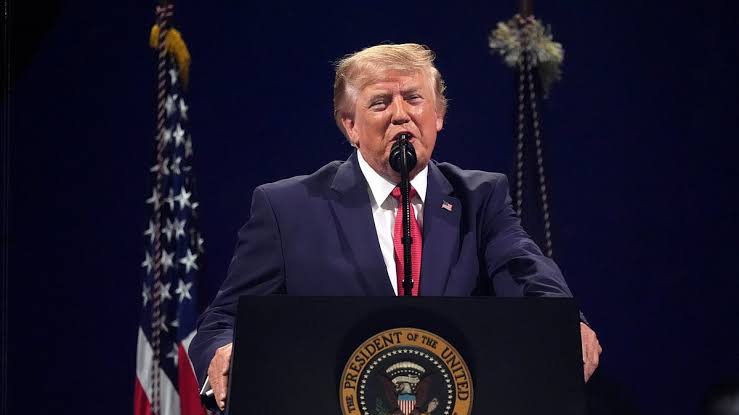
Former United States President Donald Trump has issued one of his strongest warnings yet to Iran, declaring that any attempt on his life would trigger an unprecedented American military response. His remarks have further intensified already strained relations between Washington and Tehran, adding a new layer of tension to an already volatile geopolitical landscape in the Middle East.
Speaking during a public interaction, Trump asserted that if Iran were to orchestrate or support any assassination attempt against him, the United States should respond with overwhelming force. He claimed that such retaliation would involve the launch of approximately 1,000 missiles, describing the response as swift, decisive, and devastating. His statement reflected an uncompromising approach toward national security threats and underscored his long-standing hardline stance against the Iranian government.
Strong Message Directed at Tehran
Trump emphasized that any attack targeting a former or current American president should be treated as an attack on the United States itself. He argued that the consequences for those responsible should be severe enough to deter similar actions in the future.
His comments were directed squarely at Iran, a country with which he has had a contentious relationship since his presidency. Trump suggested that American military capabilities are sufficient to deliver an overwhelming response if such a scenario were ever to occur.
Although the remarks were hypothetical, they carried significant diplomatic implications, particularly given the history of confrontation between the two countries.
Long-Running US-Iran Tensions
Relations between the United States and Iran have remained tense for years, especially after the Trump administration withdrew from the 2015 nuclear agreement and reimposed extensive economic sanctions on Tehran. The relationship deteriorated further following the US military operation that killed Iranian military commander Qassem Soleimani in January 2020.
Iran has repeatedly condemned Soleimani’s killing and has vowed that those responsible would face consequences. American intelligence and law enforcement agencies have, on multiple occasions, raised concerns about potential threats from Iranian-linked actors targeting current and former US officials associated with the operation.
These developments have kept security agencies vigilant and contributed to continued diplomatic hostility between the two nations. 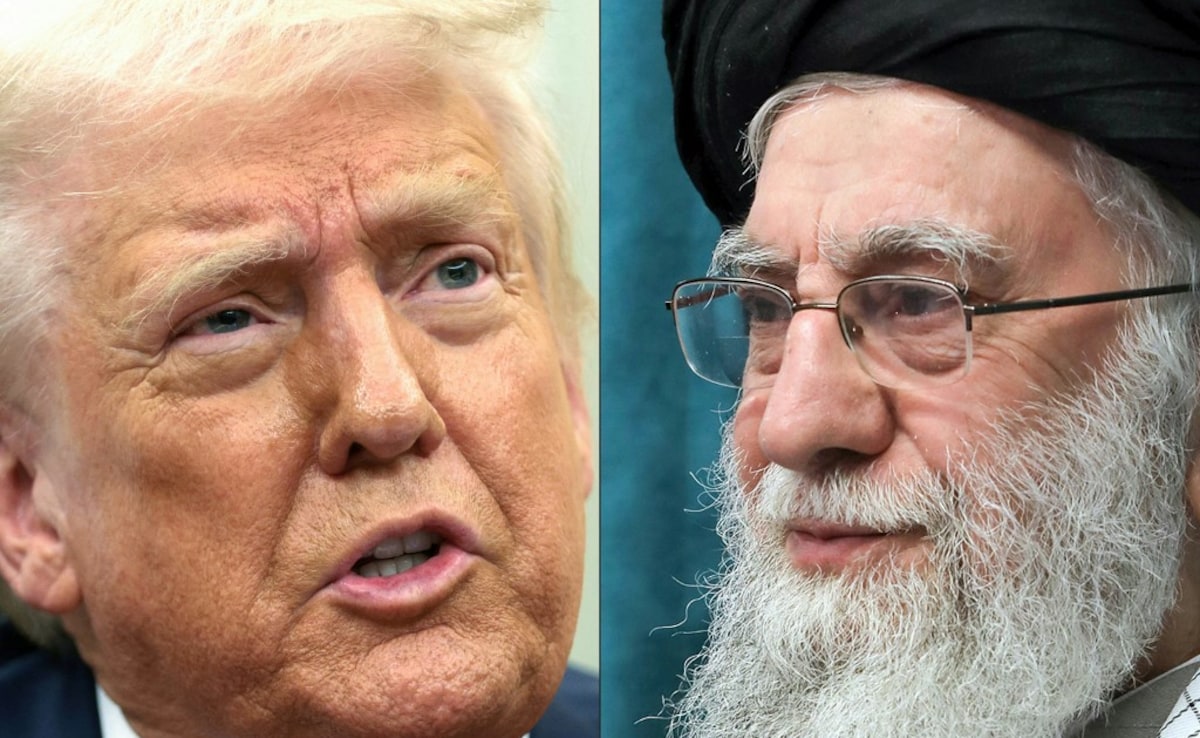
Security Concerns Continue
Trump’s latest warning comes amid persistent concerns over the safety of prominent American political figures. Authorities have previously indicated that credible threats linked to Iranian operatives have been investigated, although officials have consistently stated that they continue to monitor such risks closely.
The former president has frequently argued that strong deterrence remains the most effective way to prevent hostile actions by adversarial governments. His latest comments reinforce that position and reflect his broader foreign policy philosophy of responding to perceived threats with overwhelming military strength.
Political and International Reactions
The remarks are likely to generate debate both within the United States and internationally. Supporters may view Trump’s statement as a demonstration of strength and deterrence, while critics could argue that such rhetoric risks escalating tensions in an already unstable region.
Foreign policy analysts note that statements involving large-scale military retaliation can influence diplomatic relations, regional security calculations, and international perceptions, even when made outside official government policy.
The comments also arrive at a time when instability across the Middle East continues to raise concerns among global powers, making any sharp escalation in rhetoric particularly significant.
Broader Geopolitical Implications
The exchange highlights the fragile nature of US-Iran relations and the challenges facing efforts to reduce tensions through diplomacy. With regional conflicts, nuclear concerns, and security threats continuing to shape the relationship, statements from influential political figures can have far-reaching consequences beyond domestic politics.
As international attention remains focused on developments in the Middle East, Trump’s warning serves as another reminder of the enduring mistrust between Washington and Tehran. Whether such rhetoric translates into future policy or remains part of the political discourse, it underscores the continuing strategic rivalry that has defined relations between the two countries for years.