

The Reserve Bank of India (RBI) has approved a historic surplus transfer of ₹2.87 lakh crore to the Central Government for the financial year 2025–26 (FY26), marking one of the largest dividend payouts in the central bank’s history. The decision is expected to provide a significant boost to the government’s fiscal position amid ongoing budgetary and development spending requirements.
The record transfer reflects the RBI’s strong financial performance during the year, driven by robust income from foreign exchange operations, interest earnings, and gains from its domestic and global asset holdings. The surplus distribution follows the central bank’s annual accounting exercise, where excess reserves beyond mandated buffers are transferred to the government.
Strengthening Government Finances
The substantial dividend inflow is likely to ease pressure on the Centre’s fiscal deficit, offering additional fiscal space for infrastructure investment, welfare schemes, and capital expenditure plans outlined in the Union Budget. Economists suggest that such a large transfer may also reduce the government’s borrowing requirement in the domestic market.
The RBI’s surplus transfer has historically been a key non-tax revenue source for the government, but the FY26 figure stands out due to its scale, signaling strong earnings and prudent risk provisioning by the central bank. 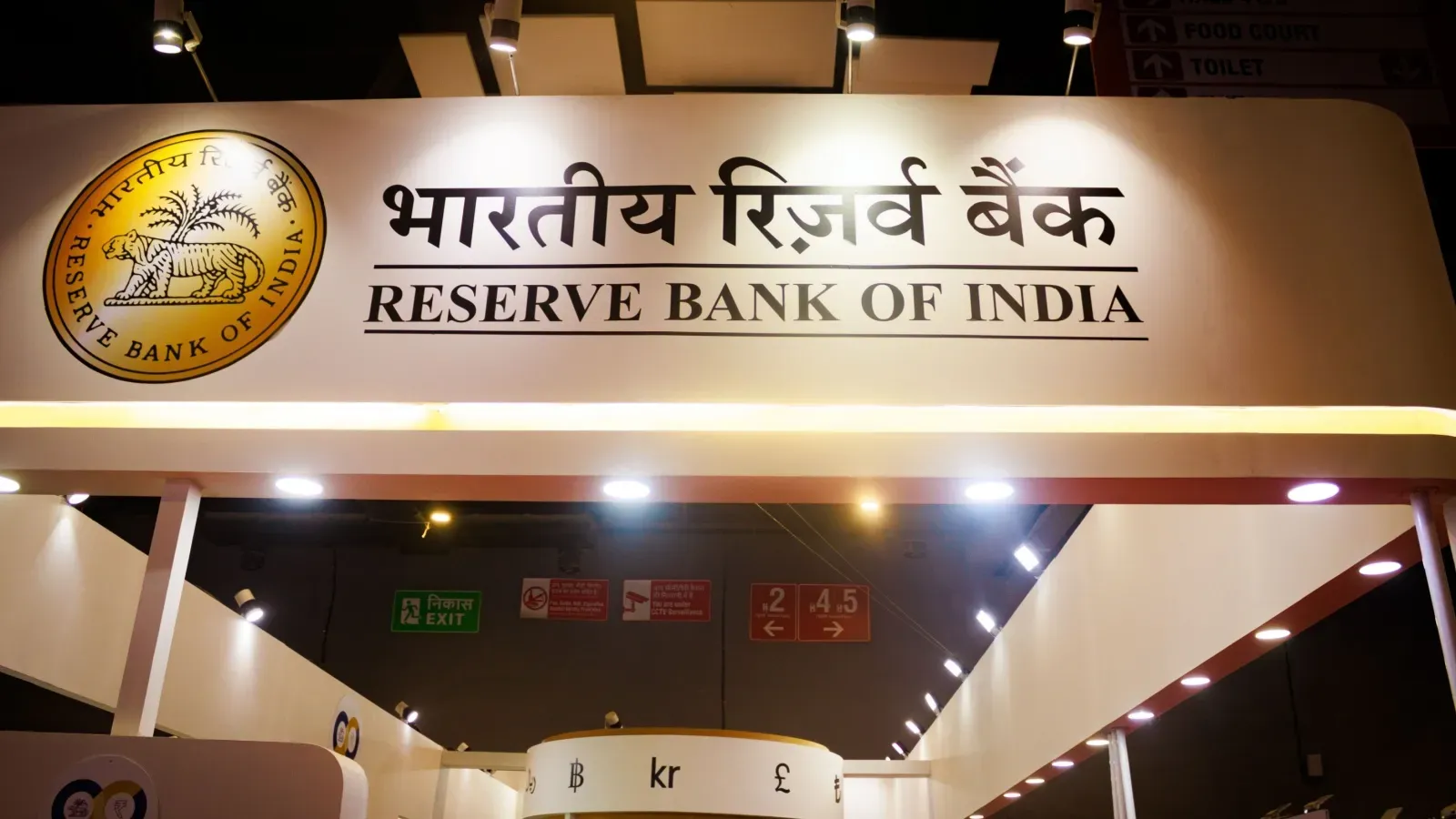
Buffer Framework and Financial Stability
The payout comes in line with the revised economic capital framework, which determines the appropriate level of contingency buffers the RBI must maintain. After setting aside provisions to safeguard against financial volatility and potential risks, the remaining surplus is transferred to the government.
Experts note that maintaining adequate buffers is crucial for monetary stability, ensuring the RBI retains sufficient resources to manage currency fluctuations, liquidity shocks, and global financial uncertainties.
Economic Implications
The record dividend is expected to have a positive short-term impact on fiscal management and may support macroeconomic stability. However, analysts also emphasize the importance of maintaining a balance between surplus transfers and central bank resilience, especially in an evolving global financial environment.
The transfer underscores the RBI’s strong balance sheet position and reflects improved financial outcomes in recent years, driven by stable monetary policy operations and favorable market conditions.
Overall, the record ₹2.87 lakh crore dividend marks a significant milestone in India’s fiscal landscape, strengthening the government’s financial flexibility while reinforcing the central bank’s robust earnings position.