
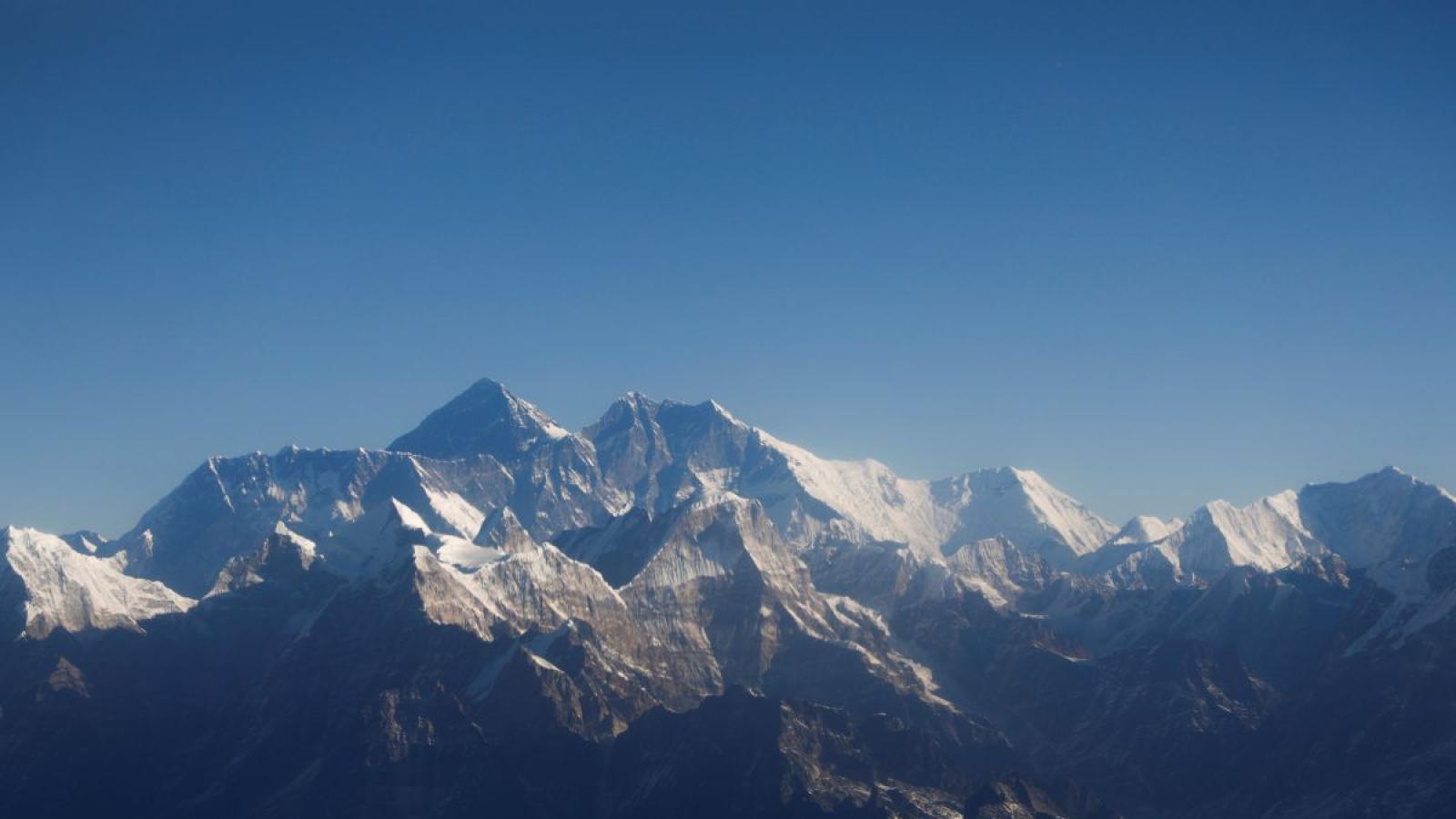
Two Indian mountaineers lost their lives while descending from the summit of Mount Everest, underscoring the extreme dangers faced by climbers attempting to conquer the world’s highest peak during the busy spring expedition season in Nepal.
According to officials overseeing Everest expeditions, the climbers died after successfully reaching the summit but encountered severe difficulties during their descent from the mountain’s upper sections. Descending from Everest is widely regarded as one of the most dangerous phases of the climb, as mountaineers battle exhaustion, rapidly changing weather, low oxygen levels, and freezing temperatures after expending enormous energy during the summit push.
Authorities said rescue and recovery efforts were complicated by the mountain’s harsh terrain and extreme altitude. The identities of the deceased climbers were expected to be formally confirmed after coordination with expedition organizers and family members.
The deaths occurred during one of the busiest climbing windows of the year, when hundreds of climbers from across the world attempt to scale Everest from Nepal’s southern route. Favorable weather conditions during the spring season often create a narrow timeframe for summit attempts, leading to increased activity near the peak.
Mount Everest, standing at 8,848.86 meters above sea level, continues to attract experienced mountaineers as well as adventure enthusiasts despite its well-documented dangers. High-altitude illnesses, avalanches, sudden weather changes, frostbite, oxygen shortages, and physical exhaustion remain major risks for climbers attempting the summit. 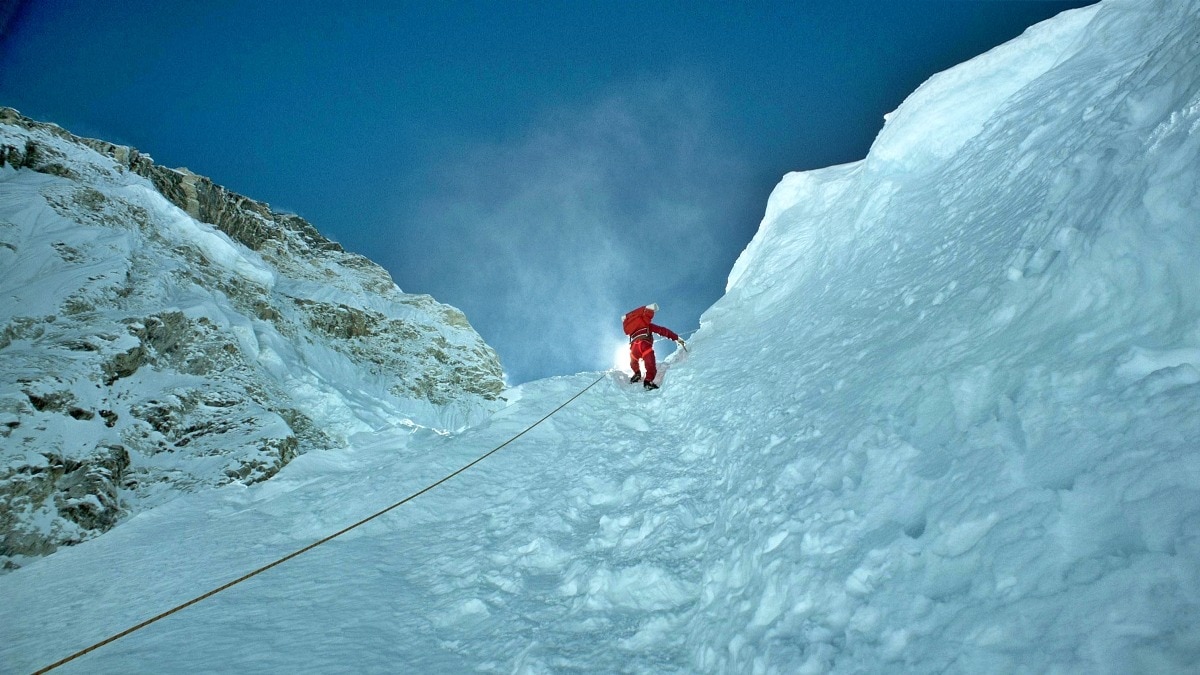
Experts in Himalayan mountaineering have repeatedly warned that the descent from Everest can be more perilous than the ascent. Many fatalities on the mountain historically occur after climbers reach the summit, when depleted energy reserves and reduced decision-making capacity create life-threatening situations.
Nepal’s tourism and mountaineering sector heavily depends on Everest expeditions, which generate significant revenue each year through climbing permits, guiding services, logistics operations, and tourism-related activities. The country issues hundreds of permits annually to international climbers during the spring climbing season.
The latest tragedy has once again drawn attention to the physical and mental demands of high-altitude mountaineering. Climbers typically spend weeks acclimatizing in Everest’s camps before attempting the final summit push, enduring severe weather conditions and prolonged exposure to thin air.
Officials and expedition organizers continue to monitor conditions on Everest as climbers remaining on the mountain attempt to safely complete their descents. The incident also serves as a stark reminder of the unpredictable and unforgiving nature of extreme-altitude expeditions, even for trained and experienced climbers.
The global mountaineering community has expressed condolences over the loss of the two Indian climbers, while discussions around safety protocols, climber preparedness, and crowd management on Everest are expected to intensify following the incident.