
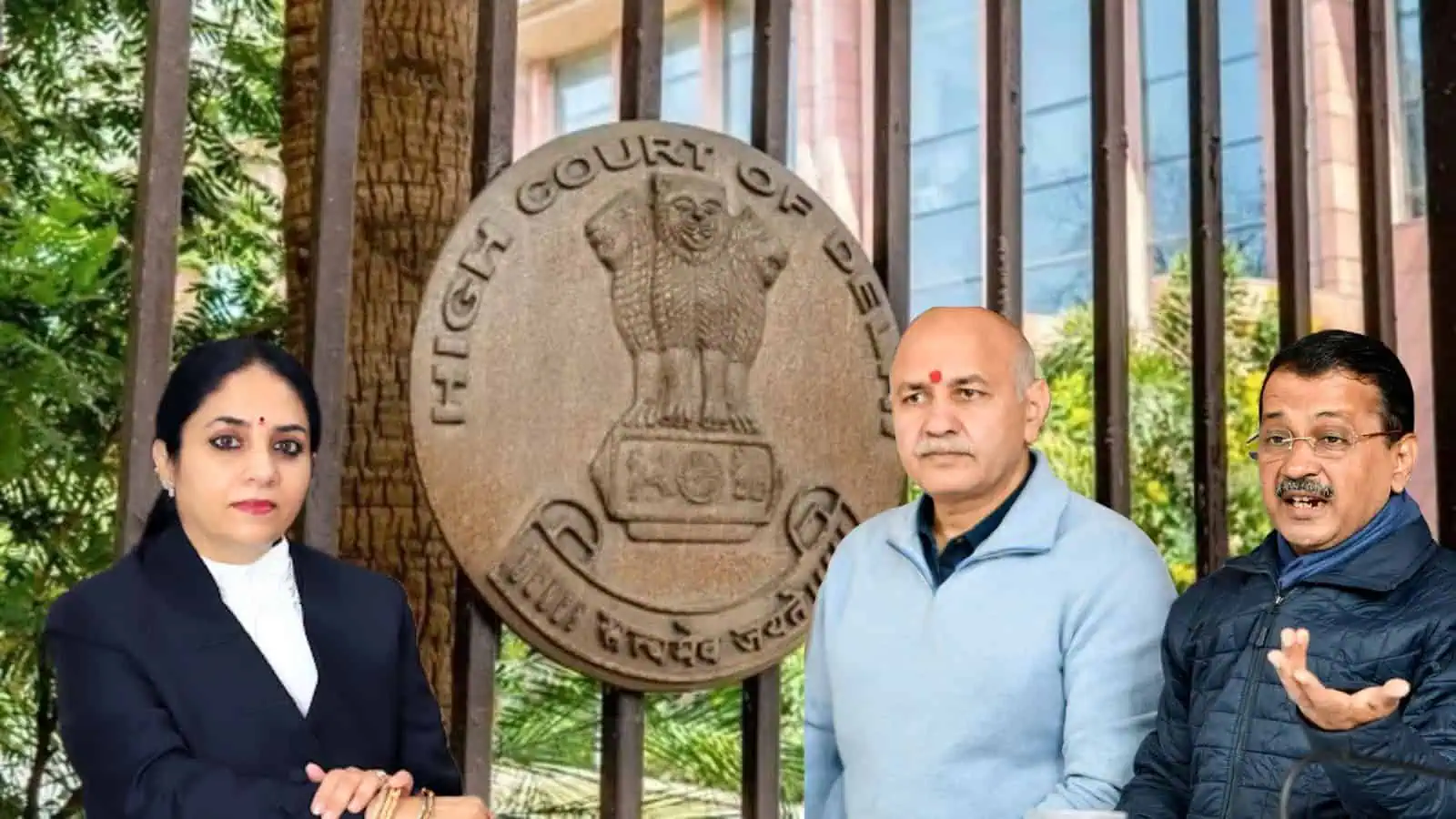
The judicial proceedings surrounding the Delhi excise policy controversy took a significant turn after the Delhi High Court issued notices to senior political leaders Arvind Kejriwal and Manish Sisodia in connection with a criminal contempt case. The matter forms part of the broader legal scrutiny arising from allegations and disputes linked to the now-scrapped excise policy of the Delhi government.
The bench, presided over by Justice Sharma, took cognisance of the petition seeking contempt action and directed both leaders to submit their responses. The court’s order signals a further deepening of judicial examination into statements and conduct allegedly related to ongoing proceedings in the excise policy case.
Background of the Case
The excise policy controversy has been under investigation and litigation for an extended period, involving allegations of procedural irregularities and policy-level decisions taken by the then Delhi government. Multiple legal proceedings have emerged from the issue, ranging from corruption probes to constitutional challenges.
Within this wider legal framework, the current contempt petition alleges that certain public statements and actions by the accused may have interfered with the administration of justice or attempted to influence the course of judicial proceedings. The petition argues that such conduct, if proven, could amount to criminal contempt under Indian law.
Court’s Observations and Notice
During the hearing, the court noted the seriousness of the allegations and determined that a prima facie case warranted further examination. As a result, notices were issued to both Arvind Kejriwal and Manish Sisodia, requiring them to formally respond to the charges.
The bench emphasized that the purpose of issuing notice is to ensure procedural fairness, allowing the respondents an opportunity to present their side before any determination is made. The court has not made any conclusive findings at this stage, and the matter will proceed only after receiving detailed replies from the concerned parties. 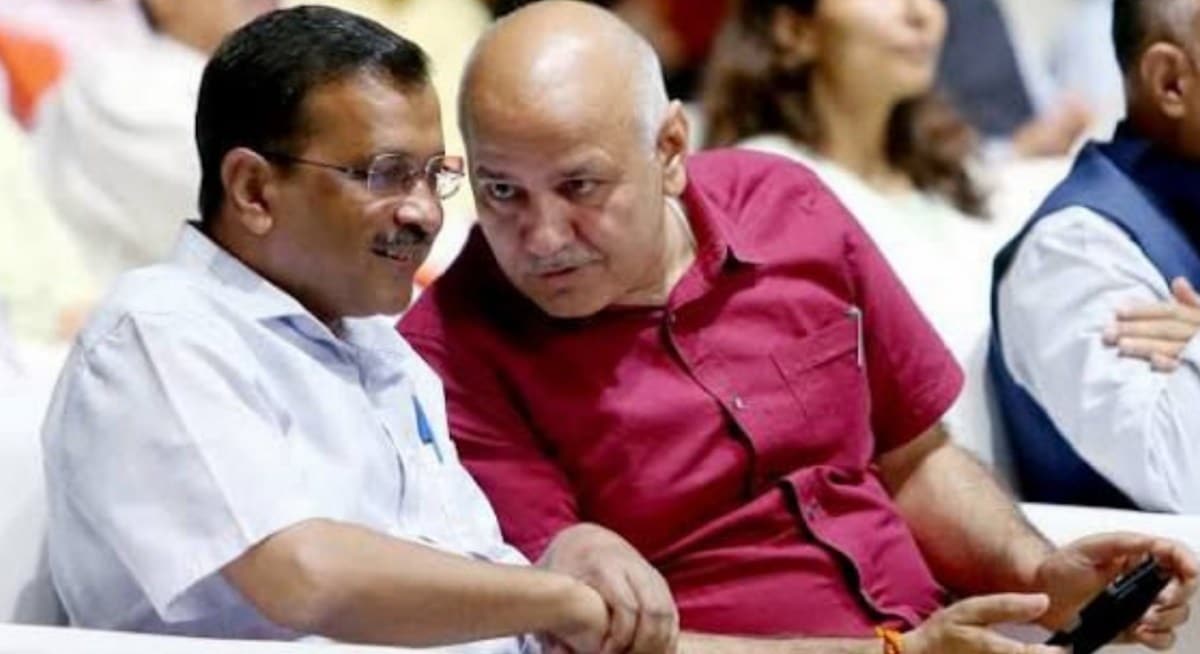
Legal Context of Criminal Contempt
Criminal contempt in India is defined as any act that scandalises or lowers the authority of the court, interferes with judicial proceedings, or obstructs the administration of justice. Courts exercise this power sparingly, balancing the need to protect judicial integrity with the fundamental right to free speech.
In politically sensitive cases such as the excise policy matter, contempt proceedings often attract heightened public attention due to the involvement of high-profile leaders and the intersection of legal and political narratives.
Political and Legal Implications
The issuance of notice to prominent political figures like Arvind Kejriwal and Manish Sisodia is expected to add another layer of complexity to an already closely watched legal battle.
While both leaders are central figures in the Delhi political landscape, they now face the additional burden of responding to allegations of contempt, alongside ongoing proceedings related to the excise policy dispute.
Legal experts note that such cases often hinge on whether the statements in question directly interfere with judicial processes or merely fall within the scope of political expression. The court’s eventual findings will depend on detailed examination of evidence and context.
Next Steps in Proceedings
With notices issued, the respondents are expected to file their replies within the timeframe stipulated by the court. Following this, the bench may consider further arguments, supporting documents, and legal submissions before deciding whether the contempt proceedings should continue or be dismissed.
The case remains at a preliminary stage, and no adverse inference has yet been drawn by the court. However, the development underscores the ongoing judicial scrutiny surrounding the excise policy matter and its broader political ramifications.
As the proceedings move forward, the court’s interpretation of the alleged conduct will be crucial in determining whether it constitutes criminal contempt or falls within permissible limits of public discourse.