
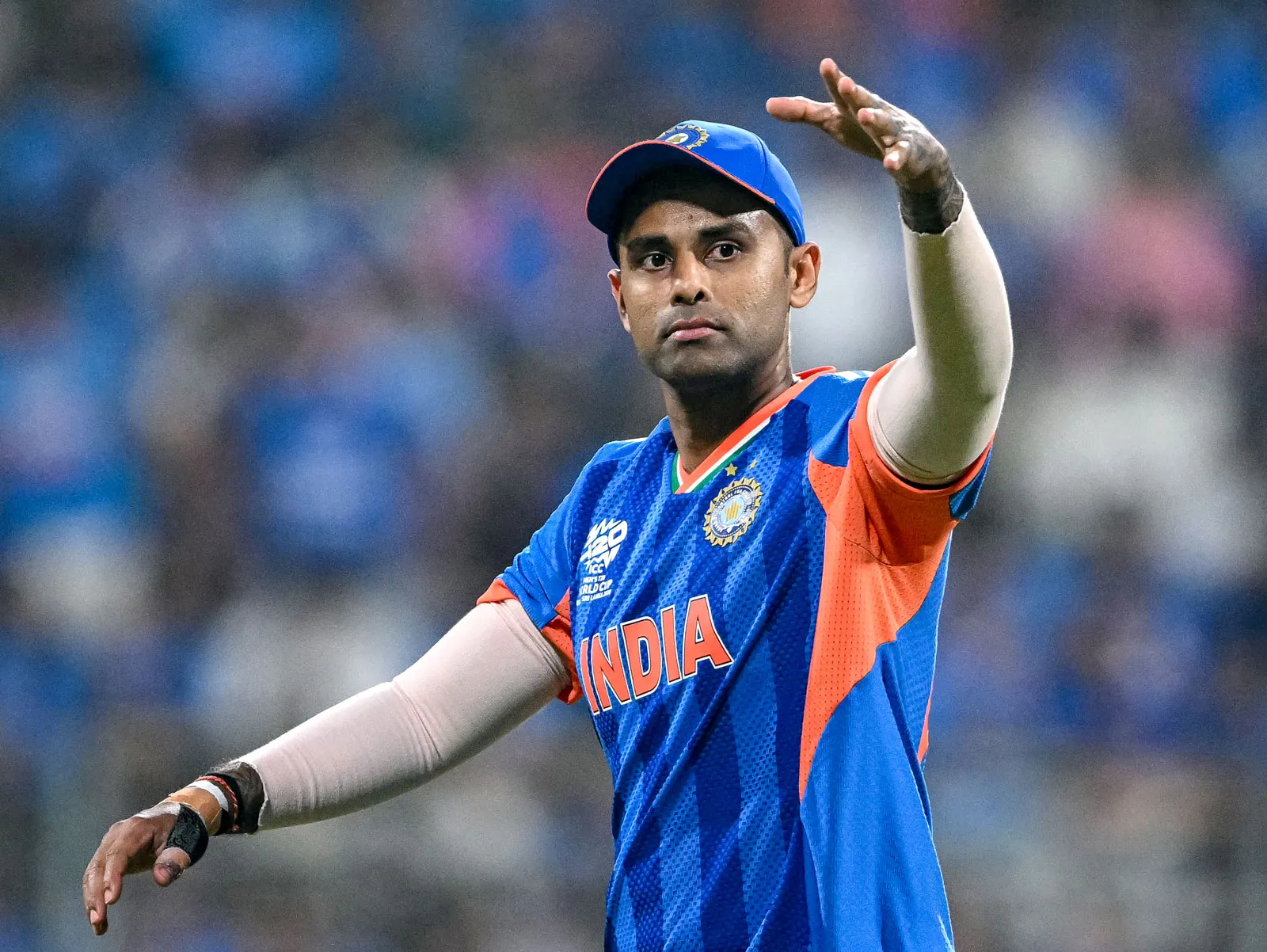
The Indian T20I setup finds itself at a crucial crossroads as questions continue to mount over skipper Suryakumar Yadav’s form, tactical clarity, and long-term role as captain. Once regarded as the most explosive and dependable batter in the shortest format, Suryakumar’s recent performances and leadership approach have sparked an ongoing debate within cricketing circles and selection panels.
While India’s white-ball system has remained largely successful in recent ICC cycles, concerns have emerged about consistency in the middle order and the direction of the T20I leadership group. With India preparing for a new cycle following a packed international calendar, the spotlight has firmly shifted to the captain’s dual responsibilities—batting performance and team leadership.
Dip in Form Raises Questions
Suryakumar’s recent batting returns have been below his established standards. Known for his fearless stroke play and innovative shot-making, the right-hander has struggled to maintain the same level of dominance that once made him the world’s premier T20 batter.
In several recent outings, his inability to convert starts into impactful innings has raised concerns about whether technical adjustments or mental fatigue may be affecting his game. His strike rate and average have both seen fluctuations, leading to broader questions about his role in the batting order and whether he is being asked to shoulder excessive responsibility as captain. 
Leadership Under the Scanner
Beyond batting form, Suryakumar’s captaincy has also become a topic of discussion. While he has led India in high-pressure environments, critics argue that his tactical experimentation and frequent batting position changes have not always produced stable results.
Selectors are reportedly assessing whether India needs a more structured leadership model heading into the next major ICC tournament cycle. The conversation is not solely about replacing the captain, but about defining a clearer long-term direction for the T20I side.
Team Balance and Emerging Options
India’s T20I squad depth remains one of its biggest strengths, with multiple young batters and all-rounders pushing for consistent opportunities. This abundance of talent has intensified competition for places and, in turn, increased scrutiny on senior players.
Names such as emerging batters and multi-skilled all-rounders have added pressure on established figures, as the team management continues to test combinations that balance power-hitting, stability, and bowling depth.
Within this evolving structure, discussions around alternative leadership options have naturally surfaced, reflecting a broader intent to build a future-ready squad. 
Selectors Focus on Long-Term Strategy
The Board of Control for Cricket in India (BCCI) is believed to be taking a long-term view of the T20 format, especially with the next World Cup cycle in mind. While no immediate drastic changes are confirmed, internal evaluations are ongoing regarding leadership continuity and batting order stability.
Cricket experts suggest that India’s decision-makers are weighing performance trends, workload management, and leadership clarity as key parameters before finalising future strategies.
What Lies Ahead for Suryakumar Yadav
Despite current debates, Suryakumar remains a central figure in India’s T20 plans. His proven match-winning ability and experience in high-pressure matches continue to make him a valuable asset.
However, the coming months are expected to be decisive. Consistent performances with the bat, coupled with effective leadership outcomes, will likely determine whether he continues as the long-term T20I captain or whether India begins transitioning toward a new leadership model.
For now, India’s T20I journey remains in a phase of evaluation—where form, leadership, and future planning intersect, and every decision carries long-term consequences.