
India’s largest medical entrance examination, NEET, is set to undergo a major transformation as the Union government announced plans to conduct the exam entirely in a computer-based format from next year. The move comes amid growing concerns over examination integrity, paper leak allegations, and malpractice incidents that have triggered nationwide debate over the credibility of competitive entrance tests.
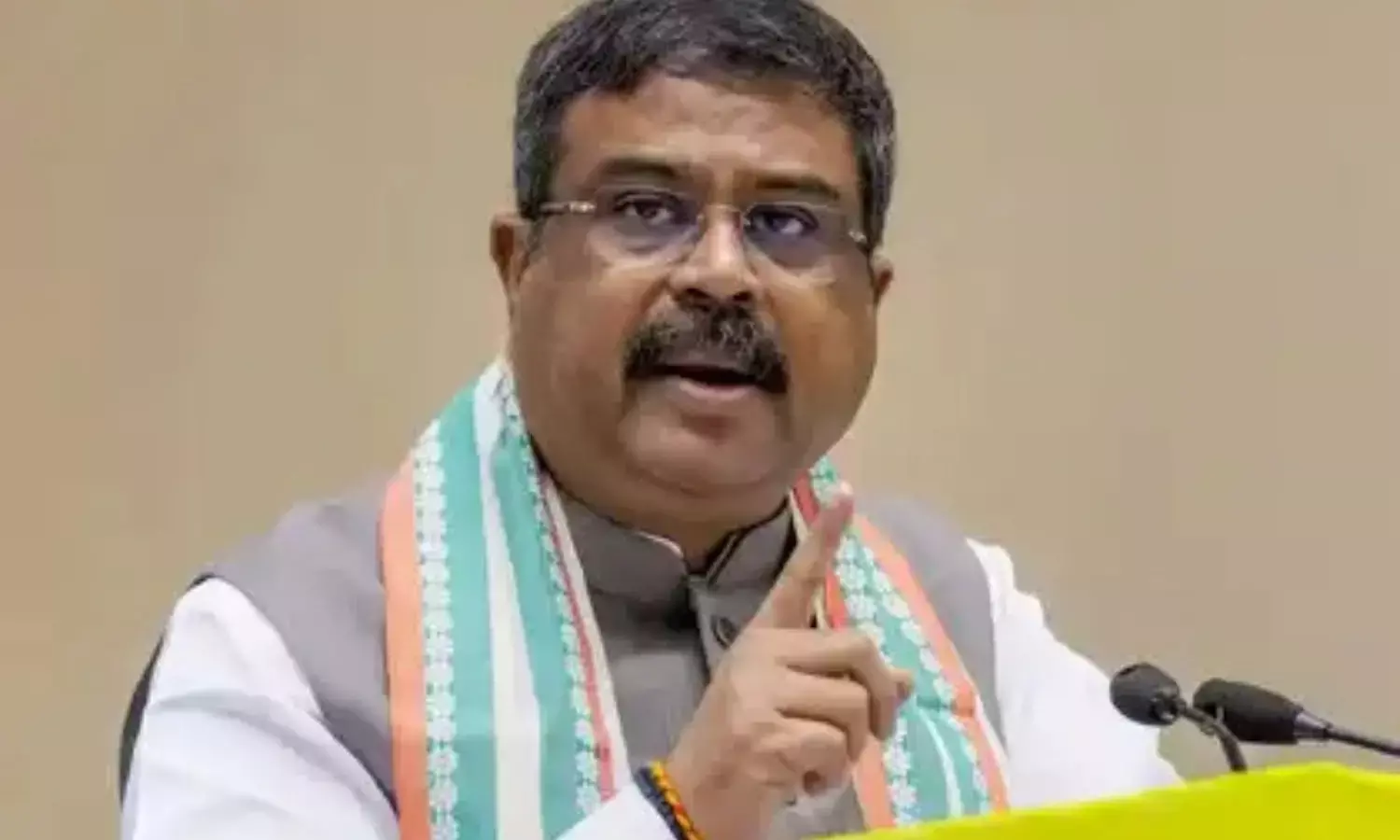
Union Education Minister Dharmendra Pradhan stated that the government is determined to ensure that irregularities witnessed in recent examinations are not repeated. He emphasized that the transition to a digital testing system is aimed at strengthening transparency, enhancing security measures, and restoring public confidence in the examination process.
The announcement marks one of the most significant reforms in the history of the National Eligibility cum Entrance Test (NEET), the gateway for admission into undergraduate medical courses across India. Conducted annually for lakhs of aspiring doctors, the examination has often faced criticism over logistical challenges and allegations of unfair practices.
According to the Education Ministry, the computer-based examination format is expected to minimize the risk of paper leaks, unauthorized access to question papers, and manipulation during transportation and distribution. Officials believe digital testing will allow better monitoring mechanisms, real-time surveillance, and stricter authentication procedures for candidates appearing in the exam.
The proposed reform follows intense scrutiny of the examination system over the past year. Multiple incidents related to paper leaks and exam-related fraud in various competitive tests had prompted demands for systemic reforms. The government had faced pressure from students, parents, and opposition parties to introduce stronger safeguards and accountability measures in national-level examinations.
During his remarks, Pradhan underlined that technology-driven reforms are necessary to protect the future of students and maintain the integrity of India’s education system. He said authorities are working closely with relevant agencies and technical experts to ensure a smooth transition to the new examination model. 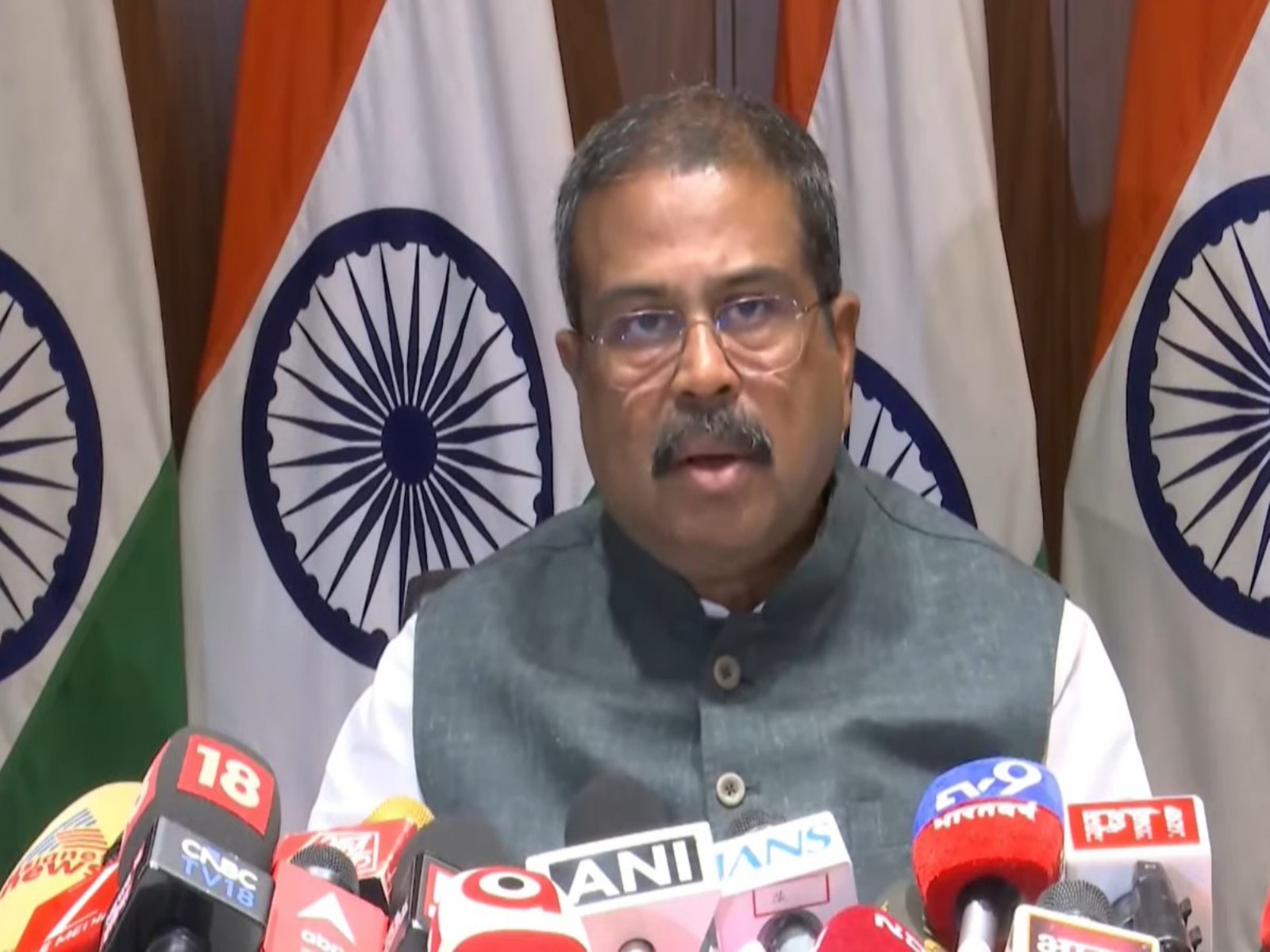
The National Testing Agency (NTA), which conducts NEET and several other national-level entrance examinations, is expected to play a central role in implementing the new format. Preparations are reportedly underway to expand digital infrastructure, establish secure examination centres, and develop systems capable of handling a large number of candidates simultaneously across the country.
Education experts believe the shift to computer-based testing could also improve efficiency in result processing and reduce human intervention in evaluation procedures. Faster result declarations, enhanced data security, and streamlined administration are among the advantages associated with digital examinations.
However, the transition may also present challenges, particularly in rural and remote regions where digital access and computer familiarity remain concerns. Experts have stressed the importance of conducting mock tests, awareness campaigns, and infrastructure upgrades to ensure that students from all backgrounds receive equal opportunities to adapt to the new system.
Student organizations and education analysts have offered mixed reactions to the announcement. While many welcomed the government’s intent to tighten examination security, some expressed concerns regarding technological readiness and the availability of adequate computer-based test centres nationwide.
The Education Ministry is expected to release detailed guidelines and implementation strategies in the coming months. Officials have indicated that extensive consultations will be carried out before the full rollout of the new system to ensure that the examination remains accessible, fair, and efficient for all candidates.
The decision reflects the government’s broader push toward digitization and modernization in the education sector. As India continues to witness increasing competition in higher education admissions, authorities are seeking ways to strengthen institutional credibility and protect the interests of students appearing in high-stakes examinations.
With millions of students preparing for medical entrance examinations every year, the proposed computer-based NEET format is likely to become a defining change in India’s competitive examination landscape.