
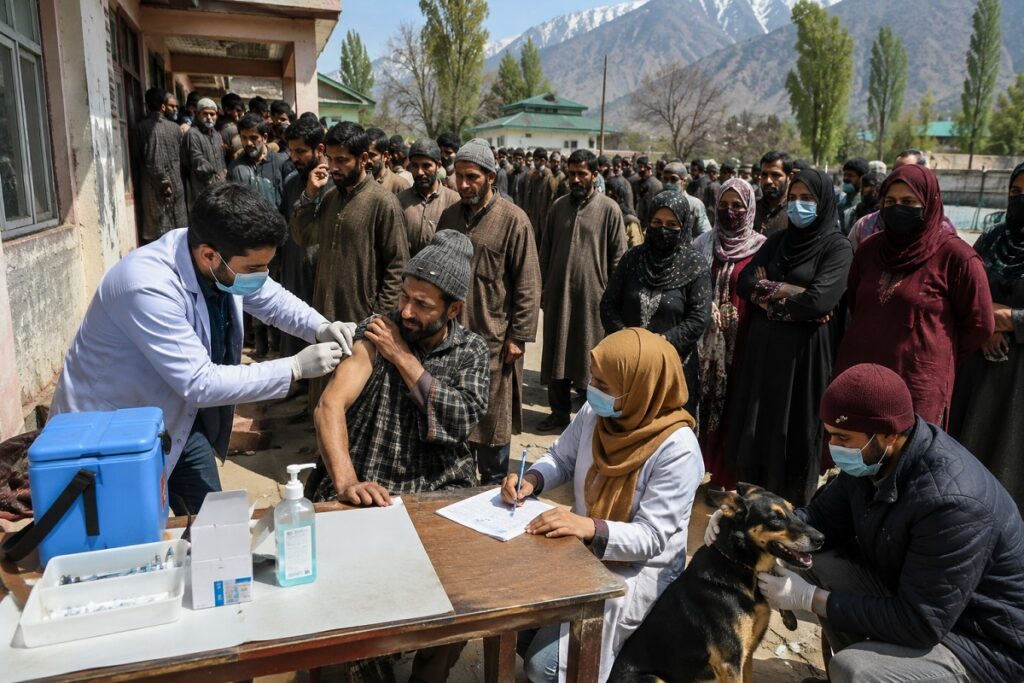
A major public health scare unfolded in a village in Jammu and Kashmir after residents reportedly consumed meat suspected to have come from a rabies-infected animal, prompting authorities to launch an urgent medical response. More than 250 villagers were administered anti-rabies vaccinations as precautionary measures amid growing fear and uncertainty in the area.
The incident triggered widespread panic after concerns emerged that meat from a potentially infected animal had been distributed and consumed by local residents. Health officials, veterinary experts, and district authorities quickly mobilized emergency teams to assess the situation and prevent any possible outbreak of rabies, a viral disease that is often fatal once symptoms begin to appear.
According to officials familiar with the matter, the suspected animal was reportedly slaughtered before signs of abnormal behavior and possible infection raised alarm among villagers. Soon after the concerns surfaced, local authorities initiated immediate awareness campaigns and medical screening procedures in the affected region.
Medical teams were deployed to the village to identify individuals who may have consumed the meat or come into contact with the animal during slaughtering, handling, or transportation. As a preventive step, anti-rabies vaccines were administered to hundreds of residents, including family members, workers involved in meat processing, and other villagers believed to be at potential risk.
Health experts emphasized that while rabies is primarily transmitted through bites or saliva from infected animals, precautionary treatment becomes crucial whenever there is suspicion of exposure. Authorities acted swiftly to ensure that no chances were taken with public safety, especially given the seriousness of rabies infections. 
Officials stated that surveillance has been intensified in and around the village, while veterinary teams are monitoring nearby livestock and stray animal populations for any unusual symptoms. Samples from the suspected animal have reportedly been sent for laboratory testing to confirm whether rabies infection was present.
The administration also urged residents not to panic and appealed to the public to avoid spreading rumors or misinformation regarding the incident. Awareness drives were conducted to educate villagers about the symptoms of rabies, modes of transmission, and the importance of immediate medical attention in suspected exposure cases.
Local healthcare centers have been placed on alert, and additional vaccine supplies were arranged to ensure uninterrupted treatment for those identified as vulnerable. Authorities confirmed that all exposed individuals are being monitored and guided through the complete vaccination protocol recommended by health experts.
Rabies remains a serious health concern in many parts of India, particularly in rural regions where human interaction with domestic and stray animals is common. Medical professionals note that timely post-exposure prophylaxis, including vaccination, is highly effective in preventing the disease if administered promptly.
The incident has once again highlighted the importance of animal health surveillance, public awareness, and rapid medical intervention in preventing infectious disease outbreaks in rural communities. Authorities are expected to continue monitoring the situation closely until laboratory reports provide clarity on the suspected infection.
Meanwhile, residents in the affected village remain anxious as officials work to reassure the community and contain fears surrounding the incident. The administration has promised full medical support and continued monitoring to ensure public safety and prevent further complications.