
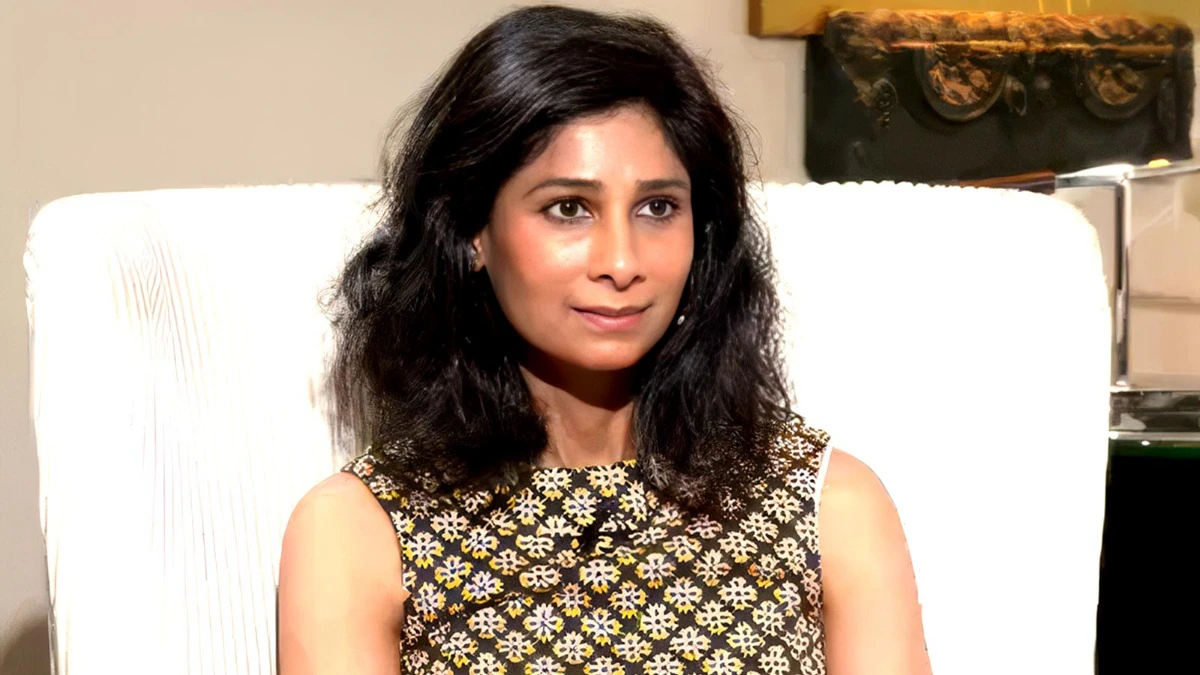
Indian-American economist and former IMF official Gita Gopinath has ignited a global conversation on gender representation after publicly criticizing the absence of women during a high-level meeting between leaders of the United States and China. Her remarks came after photographs from the summit showed an entirely male delegation seated at the main negotiation table during discussions involving some of the world’s most powerful political and economic figures.
The meeting, attended by US President Donald Trump and Chinese President Xi Jinping, drew widespread attention online not only for its geopolitical significance but also for the complete lack of female representation in the core diplomatic lineup. Images from the summit quickly circulated across social media platforms, prompting criticism from academics, policy experts, and gender equality advocates.
Reacting to the visuals, Gopinath described the moment as “a painting of the end of meritocracy,” arguing that it was troubling to see two of the world’s largest economies conducting major diplomatic discussions without a single woman at the decision-making table. Her comments rapidly gained traction online and triggered an intense debate about inclusivity in global leadership.
Observers noted that while women were present in broader delegations and support roles surrounding the summit, none participated directly in the central bilateral negotiations. Critics argued that the optics reflected deeper structural issues regarding access to power and representation in international diplomacy. 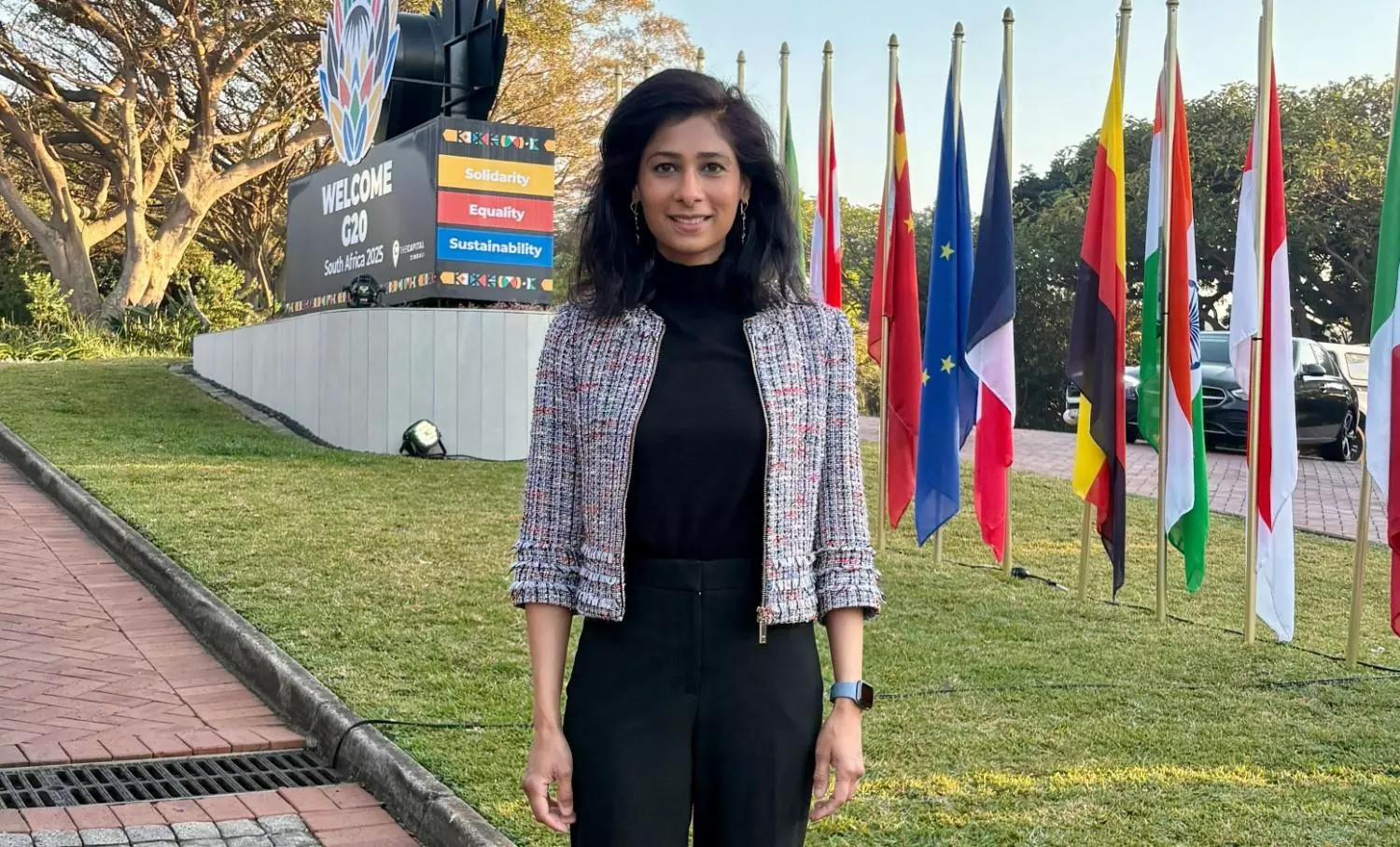
Several experts also pointed out that earlier US-China diplomatic engagements included influential women leaders and senior policymakers. Comparisons were drawn with previous administrations where women held visible and active roles in high-level foreign policy discussions. Analysts said the absence of women in the latest summit signaled a concerning regression in representation at the highest levels of global governance.
The controversy further intensified online as social media users debated whether gender diversity should be considered an essential part of leadership and policymaking. Supporters of Gopinath’s criticism argued that excluding women from major geopolitical discussions weakens the diversity of perspectives necessary for balanced decision-making. Others defended the composition of the delegations by claiming appointments should depend solely on strategic or political considerations.
The summit itself focused on a range of critical international issues, including trade, geopolitical tensions, and regional security matters. However, the conversation surrounding the absence of women quickly became one of the defining public reactions to the event, overshadowing several policy announcements made during the talks.
Gopinath’s remarks have since fueled broader discussions about women’s participation in economics, diplomacy, and international leadership. Researchers and academics highlighted continuing gender disparities in economics and policymaking institutions worldwide, noting that women remain significantly underrepresented in many senior decision-making positions.
The debate has also renewed calls for governments and international institutions to ensure greater diversity in diplomatic delegations and strategic negotiations. Advocates say representation matters not only symbolically but also substantively, influencing policy priorities, negotiation styles, and long-term governance outcomes.