
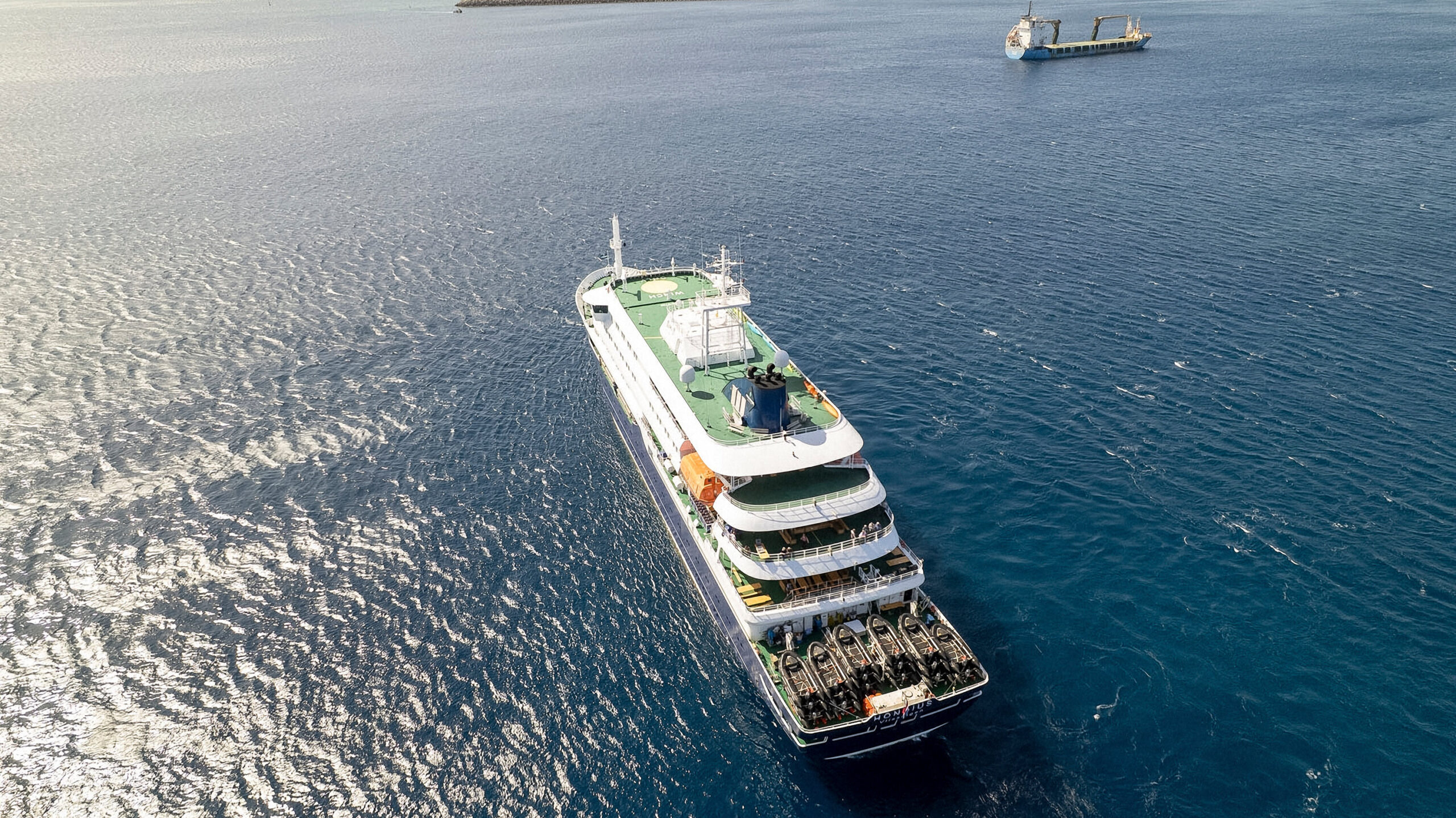
A suspected outbreak of hantavirus aboard an expedition cruise vessel sailing across the Atlantic Ocean has resulted in three fatalities and multiple infections, prompting an urgent international health response. Global health authorities confirmed that the incident unfolded on a ship traveling from Argentina toward Cape Verde, where several passengers developed severe symptoms during the voyage.
According to officials, at least one case of hantavirus infection has been laboratory confirmed, while several others remain under investigation. Of the six individuals reported to be affected, three have died and one remains in critical condition, receiving intensive care treatment in South Africa.
The outbreak has triggered a coordinated response involving multiple countries, with health authorities working closely with the vessel’s operators to manage the situation. Efforts are underway to medically evacuate symptomatic passengers and provide immediate care to those still onboard. However, logistical challenges, including clearance for disembarkation at ports, have complicated rescue and treatment operations. 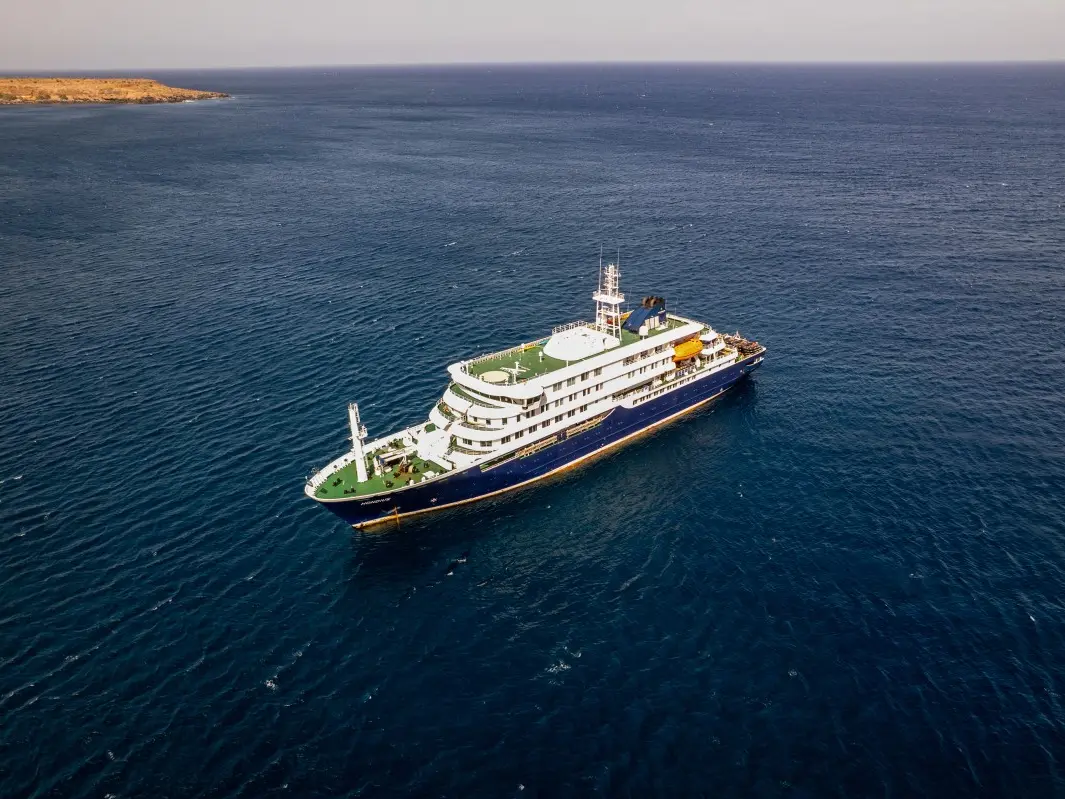)
Hantavirus is a rare but potentially fatal disease primarily transmitted to humans through exposure to infected rodent urine, droppings, or saliva. Infections can initially present with flu-like symptoms such as fever, fatigue, and muscle aches, but may rapidly progress to severe respiratory distress or organ complications. Although human-to-human transmission is uncommon, it is not entirely ruled out in certain cases, increasing concern among health experts.
Preliminary reports indicate that the vessel, a polar expedition ship with a limited passenger capacity, experienced the outbreak while navigating waters off the West African coast. Investigators are now examining possible environmental sources of contamination onboard, including storage areas and ventilation systems, as part of a broader epidemiological assessment.
Medical teams have been deployed to monitor passengers and crew, while advanced laboratory testing and genetic sequencing of the virus are being conducted to determine its origin and transmission pattern. Authorities have emphasized that early detection and supportive medical care are critical in improving survival outcomes, as there is currently no specific cure for hantavirus infection.
The incident underscores the vulnerability of confined environments such as cruise ships to infectious disease outbreaks, particularly those linked to environmental exposure. Public health agencies are continuing to assess the broader risk and implement containment measures to prevent further spread.