
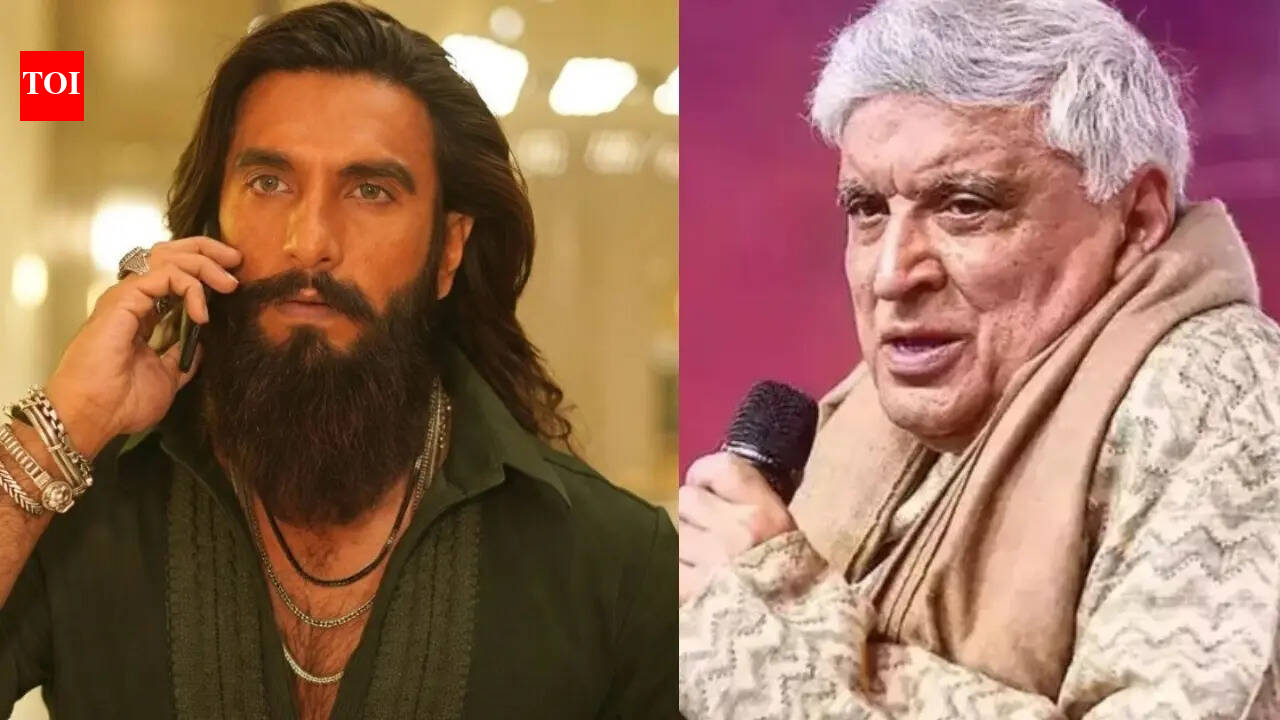
Veteran screenwriter and lyricist Javed Akhtar has weighed in on the ongoing debate around “propaganda films” in Indian cinema, offering a firm defense of filmmakers’ right to express ideas through storytelling. His comments come amid widespread discussion surrounding the blockbuster Dhurandhar and its sequel, both of which have faced criticism for allegedly promoting a specific ideological narrative.
Speaking at a recent public event, Akhtar challenged the negative perception often attached to the term “propaganda,” questioning the basis on which such labels are assigned. He argued that every story inherently carries a perspective, and that branding a film as propaganda often reflects the viewer’s interpretation rather than the filmmaker’s intent.
At the heart of Akhtar’s argument is a simple but provocative question: what exactly is wrong with propaganda? He emphasized that cinema has always been a medium for conveying ideas, values, and viewpoints. According to him, presenting a particular perspective through art should not automatically be seen as problematic. 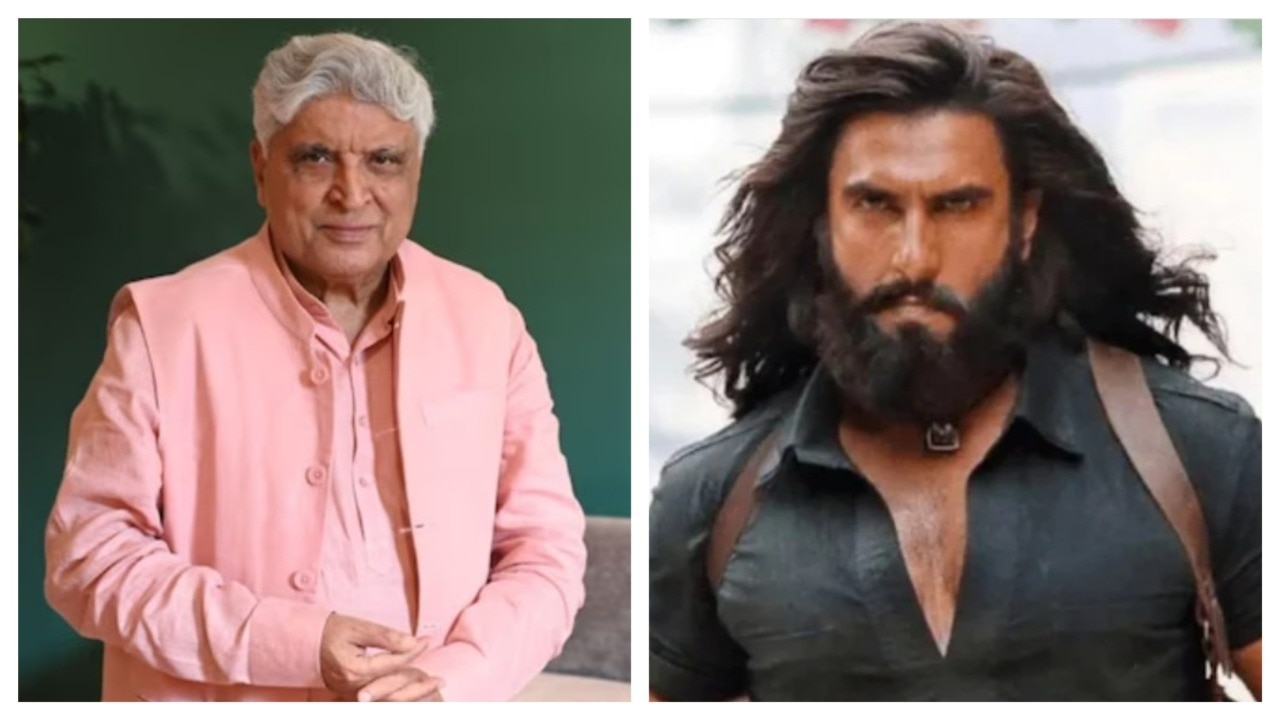
He further explained that when audiences disagree with a film’s message, they may be quick to label it as propaganda. This tendency, he suggested, raises questions about whether such criticism is rooted in ideological differences rather than objective analysis.
Akhtar maintained that filmmakers have the right to present narratives they believe in, and that audiences are equally free to accept or reject those ideas. This dynamic, he said, is fundamental to the relationship between art and society.
Despite the controversy surrounding the Dhurandhar franchise, Akhtar expressed appreciation for the film’s craftsmanship and storytelling. He described it as engaging and well-executed, while also noting that he personally preferred the first installment over its sequel.
The films, directed by Aditya Dhar and featuring Ranveer Singh in a leading role, have achieved remarkable commercial success and captured significant public attention. At the same time, they have sparked debate for blending fictional narratives with elements inspired by real-world political and historical contexts. 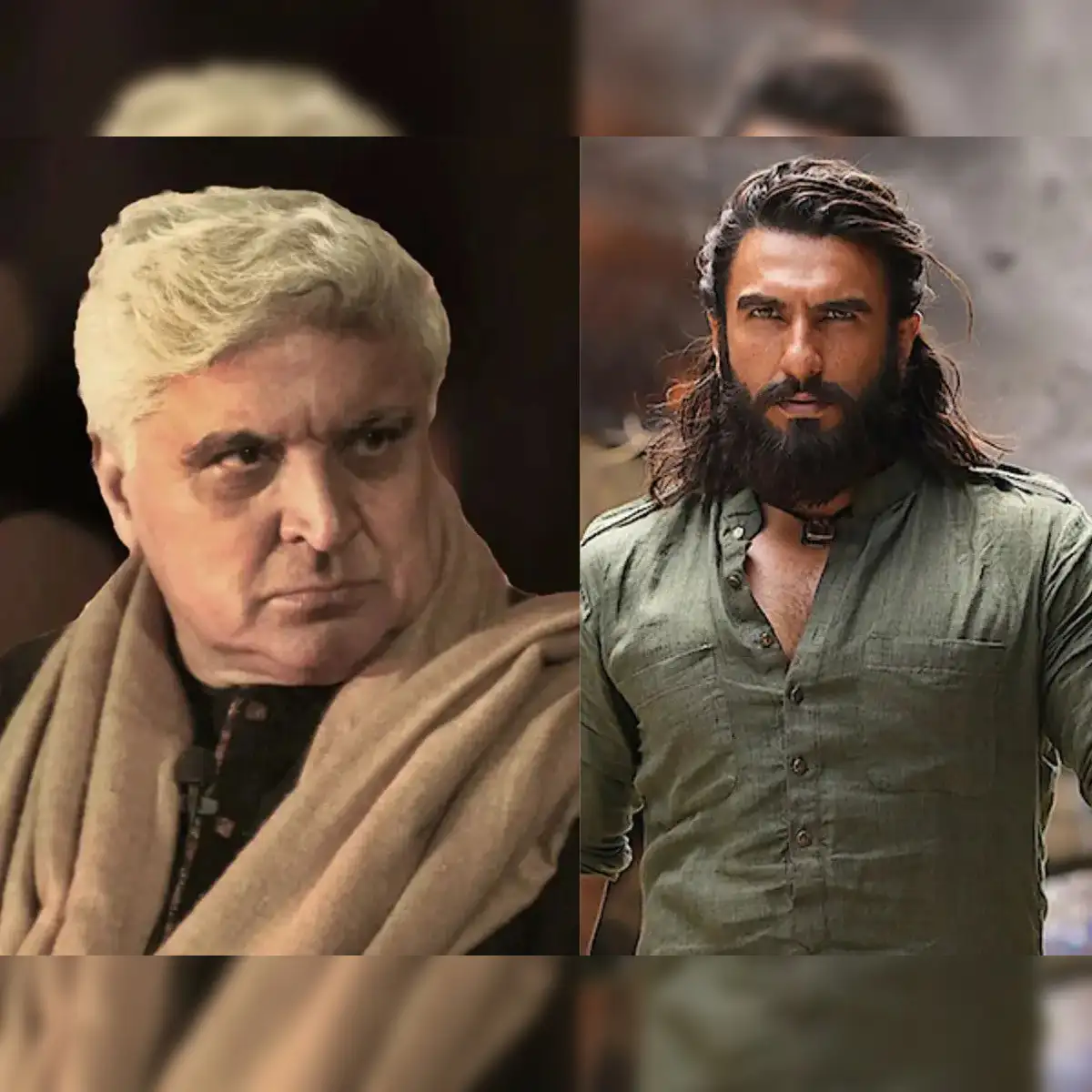
Akhtar’s remarks have added momentum to a broader conversation within the film industry about the role of ideology in cinema. The debate extends beyond a single film or franchise, touching on how movies influence public opinion, shape narratives, and reflect societal values.
Supporters of Akhtar’s viewpoint argue that all films—whether overtly political or not—carry underlying messages. From this perspective, singling out certain films as propaganda may oversimplify the complexity of storytelling. On the other hand, critics contend that filmmakers must exercise caution and responsibility, particularly when dealing with sensitive or polarizing themes.
Central to Akhtar’s stance is the principle of creative freedom. He believes that storytelling cannot be separated from ideology, as every creative decision reflects a certain worldview. Rather than restricting such expressions, he advocates for a diversity of voices and perspectives within the cinematic landscape.
His comments highlight the ongoing tension between artistic liberty and audience interpretation. As discussions around Dhurandhar and similar films continue, Akhtar’s perspective reinforces the idea that cinema remains a powerful platform for ideas—one that invites both appreciation and debate.