
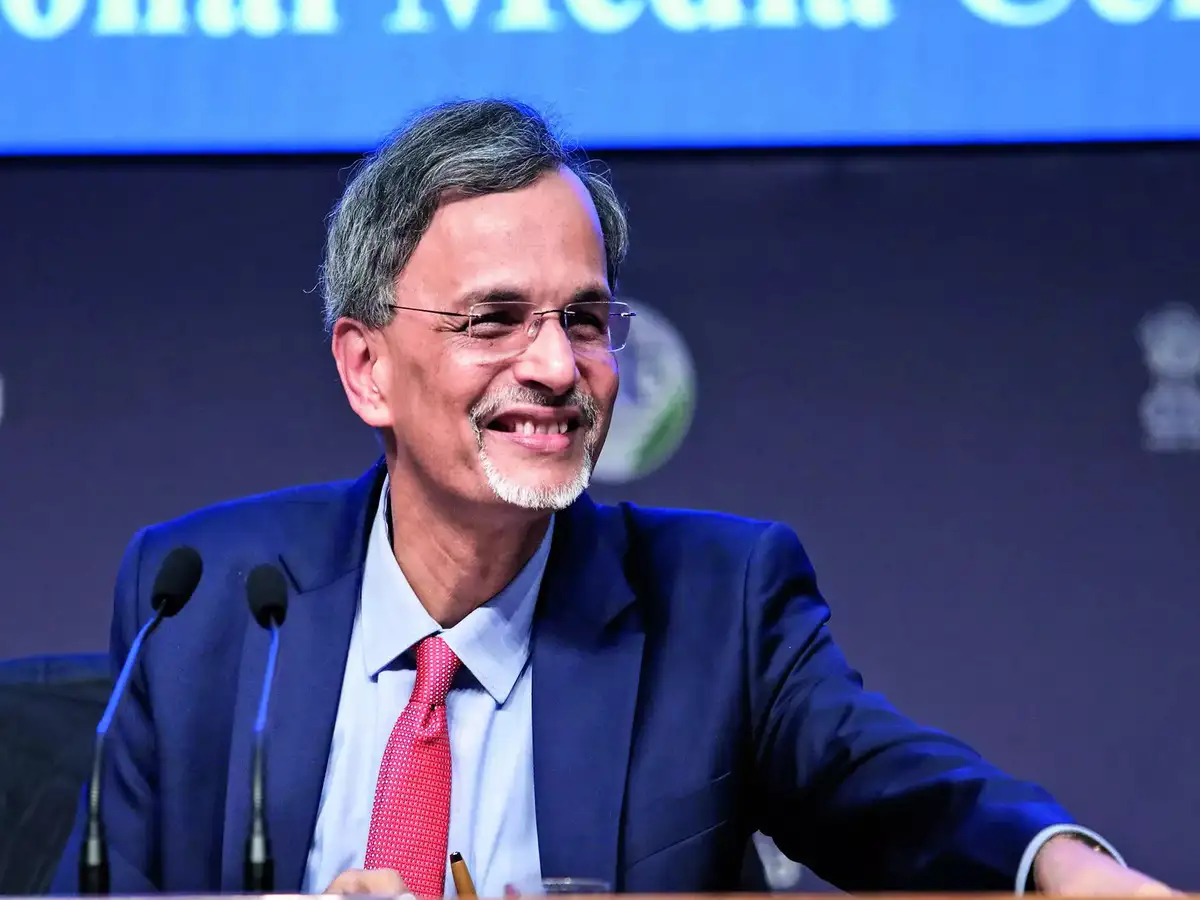
India is preparing to recalibrate its economic strategy in response to an increasingly protectionist global trade environment, with Chief Economic Advisor V. Anantha Nageswaran advocating the creation of a robust national supply chain security framework. His remarks signal a shift toward building institutional safeguards to protect India’s economic interests amid tightening global regulations and geopolitical tensions.
Speaking at a policy forum, Nageswaran emphasized that major global economies such as China and the United States have already developed mechanisms to secure their supply chains and counter external pressures. He argued that India must follow suit by designing its own framework tailored to national priorities, ensuring resilience in a rapidly evolving global economic order.
A key concern highlighted by the Chief Economic Advisor was China’s recent regulatory actions—specifically Decree No. 834 and Decree No. 835—which introduce stringent measures to safeguard its industrial and supply chain ecosystem. These regulations allow authorities to penalize foreign companies and executives attempting to relocate supply chains away from China, particularly when such moves are aligned with foreign government directives.
These measures also aim to counter what China terms “improper extraterritorial jurisdiction” imposed by other nations, effectively strengthening its control over global supply chain movements. Experts view these policies as part of a broader effort by China to maintain its central role in global manufacturing and trade networks, while deterring diversification efforts by multinational corporations. 
Nageswaran underscored that such developments reflect a wider global shift toward economic nationalism, where countries are increasingly prioritizing domestic security over open trade. In this context, he called for India to establish its own “blocking statute”—a legal mechanism to counter external pressures—and to develop an institutional structure similar to the United States’ Committee on Foreign Investment (CFIUS), which reviews foreign investments for national security risks.
He further suggested that India should leverage its large domestic market as a strategic tool to attract global companies. By offering market access as an incentive, India can position itself as a competitive alternative in global supply chains, particularly as firms seek to diversify beyond China.
Beyond policy measures, the Chief Economic Advisor also raised concerns about the behavior of India’s private sector. Despite strong profit growth in recent years, he noted that companies have shown reluctance to reinvest in physical assets and long-term capacity building. This hesitation, he argued, may be contributing to uncertainty in demand and slowing broader economic momentum.
Nageswaran stressed that successful economic development historically depends on alignment between corporate interests and national priorities. He urged Indian businesses to play a more proactive role in nation-building by channeling profits into productive investments that strengthen domestic manufacturing and infrastructure.
The proposed supply chain security framework is expected to play a pivotal role in India’s long-term economic strategy. By combining regulatory safeguards, investment screening mechanisms, and strategic incentives, the country aims to enhance resilience, reduce vulnerabilities, and secure its position in global value chains.
As geopolitical tensions continue to reshape trade dynamics, India’s move toward building a comprehensive supply chain security architecture could mark a significant step in asserting economic sovereignty while remaining integrated with the global economy.