
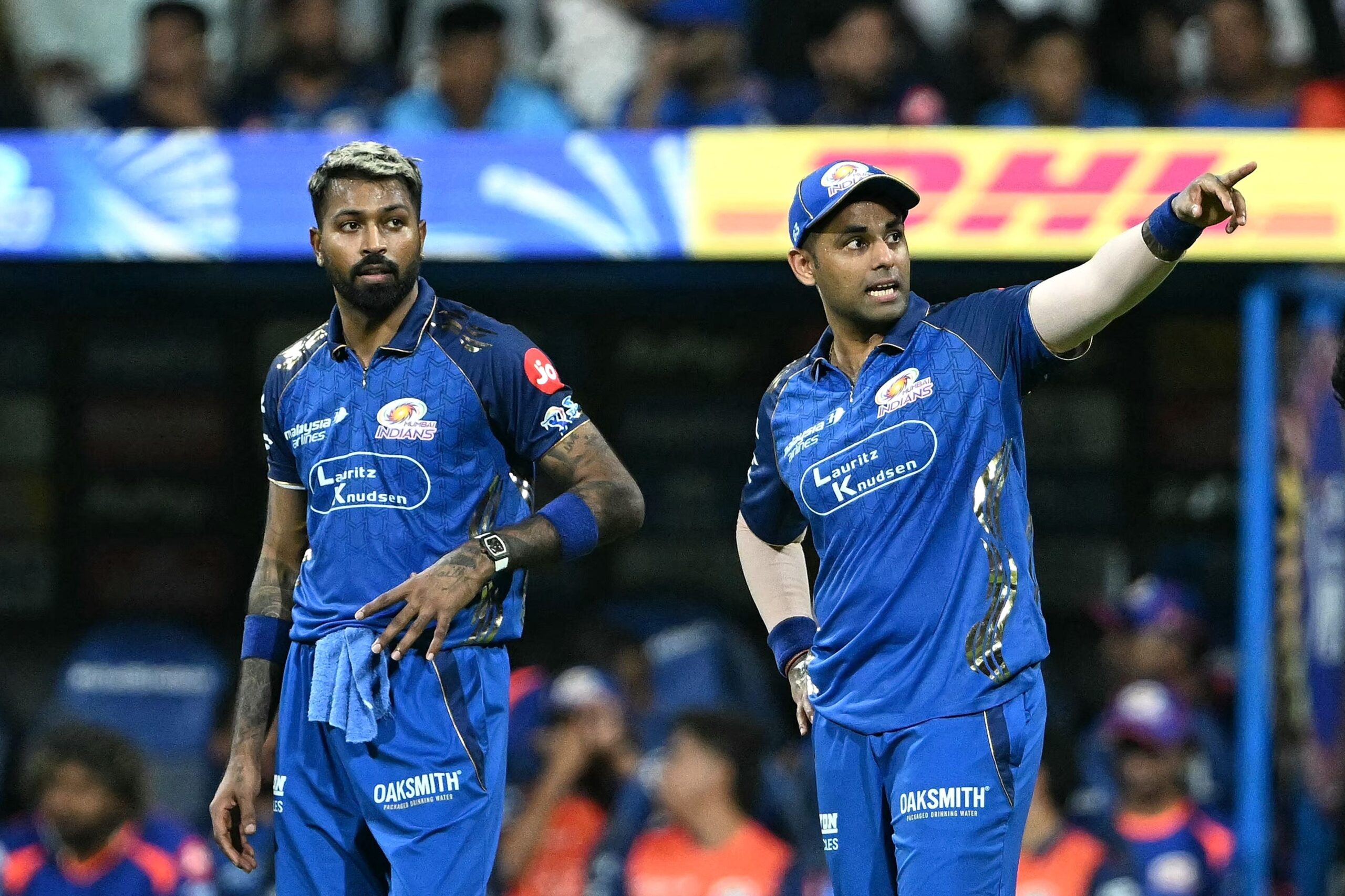
Mumbai’s recent defeat to Chennai has intensified scrutiny around captain Hardik Pandya, with growing concerns from former Indian cricketers about the apparent lack of support within the team and the broader challenges facing the franchise. The loss, which exposed several tactical and performance-related weaknesses, has reignited debates over leadership dynamics, team cohesion, and the overall direction of the side in the ongoing tournament.
Hardik Pandya, who took over captaincy duties amid high expectations, has found himself under the spotlight not only for his on-field decisions but also for the team’s inconsistent performances. While leadership transitions often come with an adjustment period, critics believe that the current situation reflects deeper issues than just strategy or form. Observers have pointed out that the team appears fragmented at crucial moments, raising questions about unity and internal backing for the captain.
Former Indian players have openly expressed concern about Pandya’s situation, suggesting that he may not be receiving the level of support typically required for a captain to succeed. Leadership in high-pressure tournaments demands not only tactical acumen but also strong backing from senior players, coaching staff, and management. The absence of visible cohesion has led to speculation that internal dynamics may be affecting team morale and performance. 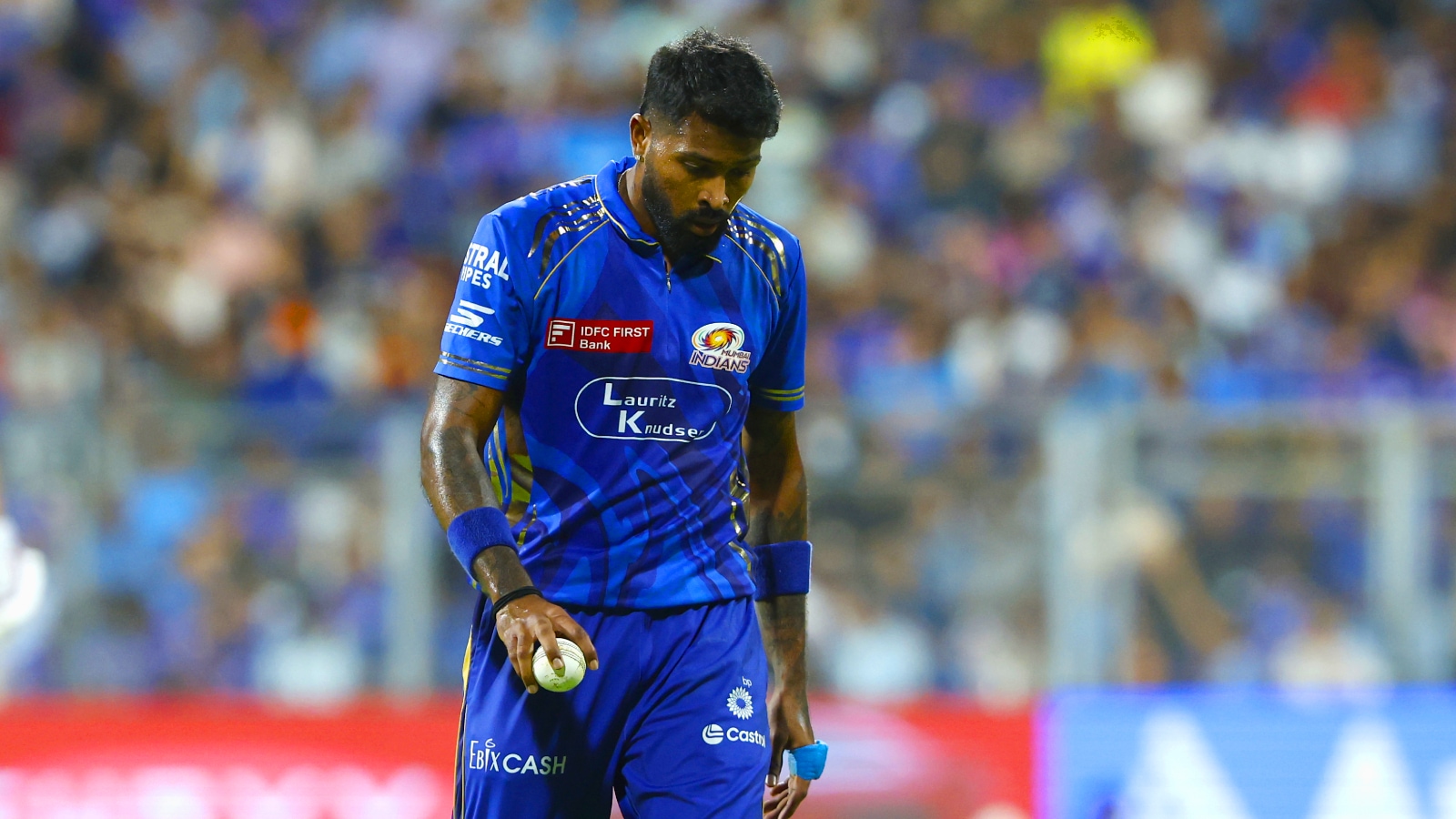
The defeat against Chennai highlighted several areas of concern for Mumbai. The batting lineup failed to deliver under pressure, while the bowling unit struggled to contain the opposition during key phases of the match. Tactical decisions, including field placements and bowling changes, have also come under scrutiny, with critics arguing that the team lacked clarity and adaptability during decisive moments.
Beyond the immediate performance issues, the situation underscores the broader challenges of leading a high-profile franchise. Pandya’s appointment itself was a significant decision that brought both anticipation and controversy. Transitioning leadership in a team with established players and a strong legacy requires careful management, and the current struggles suggest that the process may not have been seamless.
Despite the criticism, some analysts have urged patience, noting that leadership success is rarely instantaneous. They emphasize that Pandya has previously demonstrated his capabilities as a leader and all-rounder, and that sustained backing from the team management could help stabilize the situation. However, in a competitive tournament environment, time is often limited, and consistent results are essential to maintain confidence.
The coming matches will be crucial for both Pandya and the Mumbai franchise. A turnaround in performance could help restore faith in the leadership structure and silence critics, while continued struggles may intensify calls for reassessment of roles and strategies. For now, the focus remains on whether the team can regroup, address internal concerns, and provide the support necessary for their captain to lead effectively.