
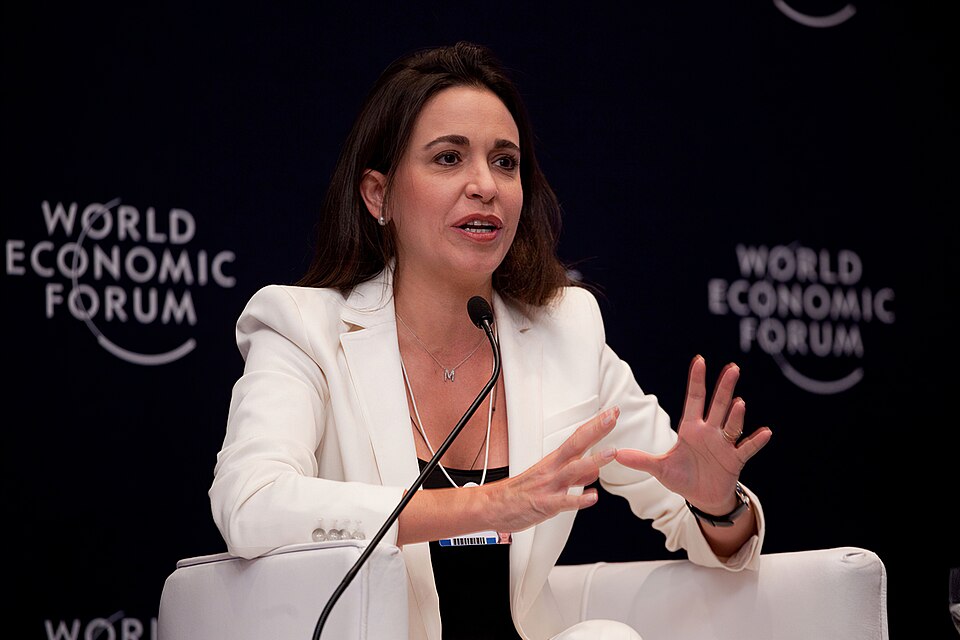
María Corina Machado, a leading figure in Venezuela’s opposition movement, has been awarded the 2025 Nobel Peace Prize for her enduring advocacy for democratic governance, human rights, and peaceful political change in her country. Her journey has been marked by principled defiance, frequent repression, and steadfast leadership under threat.
Early Life and Education
Born on October 7, 1967, in Caracas, Machado trained and worked as an industrial engineer before entering politics. She holds a degree from Andrés Bello Catholic University and pursued further studies at the Instituto de Estudios Superiores de Administración. Over time, she transformed from a technocrat to a vocal critic of the Venezuelan government, combining technical skill with political vision.

Entry into Politics and Opposition Leadership
Machado first entered public life through Súmate, a civil society initiative focused on electoral monitoring and citizen participation. She later became a founding member and the National Coordinator of Vente Venezuela, a liberal party that emerged in 2012 with a mission to further democratic reforms. She served as a member of the National Assembly from 2011 to 2014, at times drawing the highest vote counts among her peers.
Her tenure in the Assembly was notable for outspoken critiques of institutional abuses, economic mismanagement, and authoritarian overreach under the Maduro regime. She also played an active role in protests and public mobilization during periods of intense social and economic crisis.
Challenges, Exile, and Repression
Machado’s political path has been fraught with challenges. In 2014, she was stripped of her legislative position by the Venezuelan authorities under contested constitutional interpretations. Over the years, she has faced disqualification from holding public office; in 2023, she won the opposition primary with over 92 % of votes but was barred from contesting by state bodies. At times she has been forced into hiding, unable to leave Venezuela, and subject to personal risk and legal measures aimed at silencing her dissent.
Despite these constraints, she has remained a central voice in the opposition, mobilizing grassroots support, coordinating alliances under the Unitary Platform, and maintaining influence from within her country under difficult conditions.
Honours and Recognition
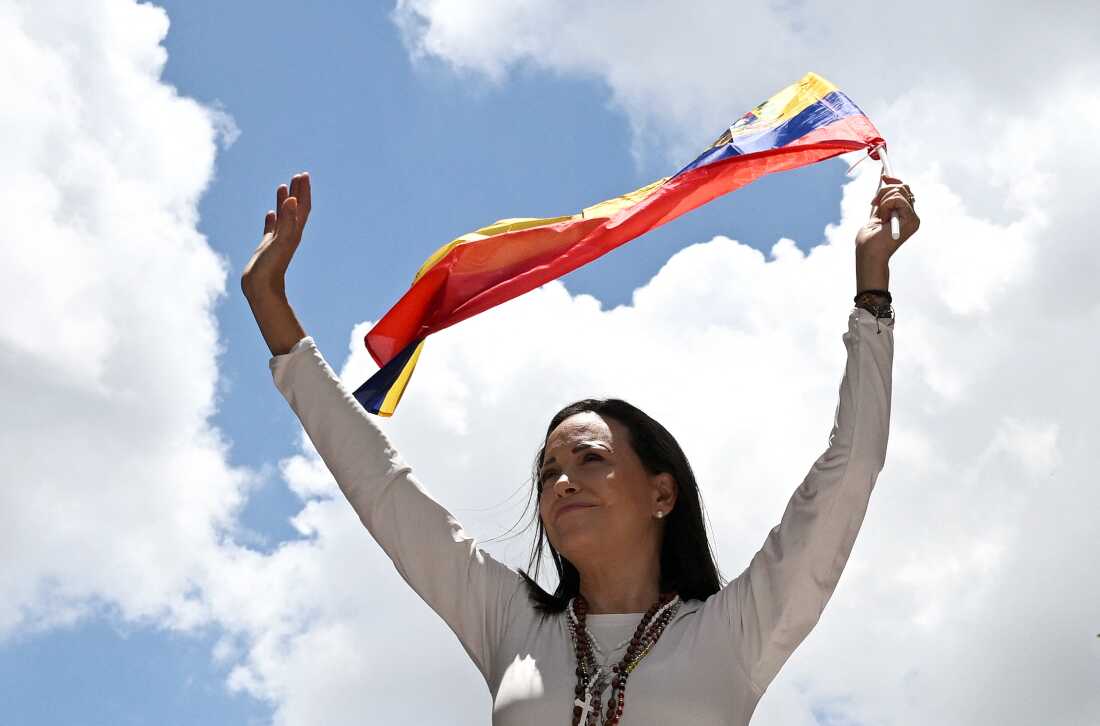
Before the Nobel Prize, Machado was already recognized internationally. She received the 2024 Sakharov Prize awarded by the European Parliament for defending democracy and human rights. She has also been honored with the Václav Havel Human Rights Prize in 2024. Global platforms have listed her among TIME’s 100 most influential people and featured her in BBC’s 100 Women list.
Significance of the Nobel Award
The Nobel Committee commended Machado for being a unifying figure in Venezuela’s fractured opposition, committed to peaceful and representative change even in the face of authoritarian pressure. Her award signals global support for pro-democracy movements under repression. It also underscores that long-term struggles for institutional integrity and human dignity matter in the architecture of peace.
At 58, Machado’s political journey stands as a testament to resilience. Her recognition could amplify international advocacy for Venezuela and reopen diplomatic focus on free elections, accountability, and the protection of civic space under duress.