
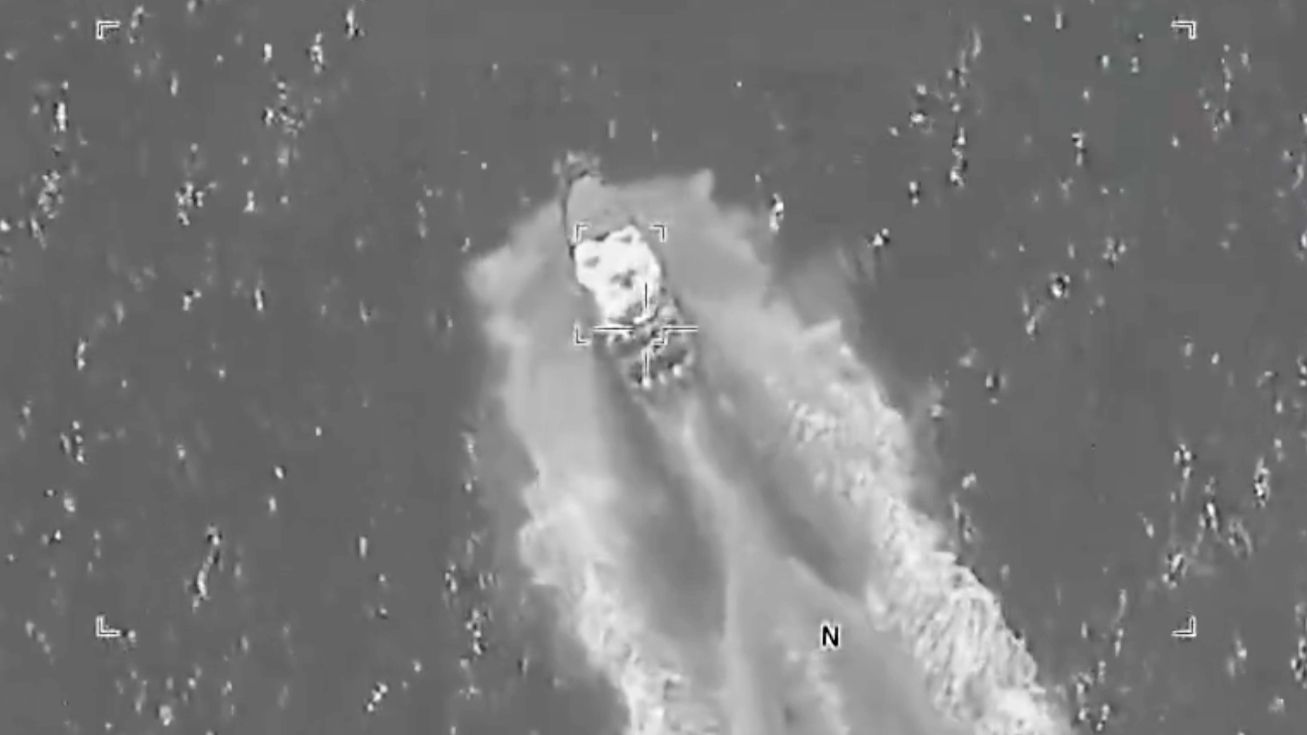
A United States military operation targeting a suspected drug-trafficking vessel in the eastern Pacific Ocean has resulted in the deaths of three individuals, according to official statements from defence authorities. The strike forms part of an ongoing campaign aimed at disrupting maritime narcotics routes believed to be operated by organised criminal networks in international waters.
Military officials stated that the vessel was identified as being involved in illicit drug trafficking activities and was operating along established smuggling corridors in the eastern Pacific. Intelligence assessments reportedly indicated that the boat was linked to groups designated by US authorities as part of transnational criminal organisations.
The operation was carried out as a “kinetic strike,” a term used by the military to describe a direct attack intended to neutralise a targeted threat. Following the strike, the vessel was destroyed, and three people on board were killed.
Authorities emphasised that no US military personnel were harmed during the operation.
The latest strike is part of a broader and increasingly aggressive US military campaign targeting suspected drug-smuggling operations in maritime zones across Latin America-linked routes, particularly in the Caribbean Sea and eastern Pacific Ocean. 
In recent months, multiple similar operations have been conducted, resulting in numerous fatalities. Military officials argue that these vessels are being used by organised narcotics networks to transport illegal drugs toward North America.
However, the operations have drawn attention due to the limited public disclosure of detailed evidence supporting the allegations that all targeted vessels were actively carrying narcotics at the time of engagement.
The United States has expanded surveillance and military enforcement in key transit zones used for drug trafficking, deploying naval and air assets to track and intercept suspected smuggling activities. Officials describe the strategy as part of a wider effort to dismantle transnational criminal organisations operating across maritime routes.
The strikes are often justified under the framework of national security and counter-narcotics enforcement, with authorities asserting that the targeted groups pose a direct threat through the flow of illegal drugs into the United States.
The ongoing campaign has sparked debate among legal experts and human rights observers regarding the use of lethal force in international waters. Critics argue that such strikes raise serious questions under international law, particularly when conducted without transparent judicial oversight or publicly verified evidence of criminal activity.
Supporters of the operations, however, maintain that the measures are necessary to combat increasingly sophisticated drug trafficking networks that exploit remote ocean routes.
Officials have indicated that maritime interdiction efforts are likely to continue as part of sustained pressure on suspected trafficking routes. Further operations are expected in regions identified as high-risk corridors for narcotics transport.