
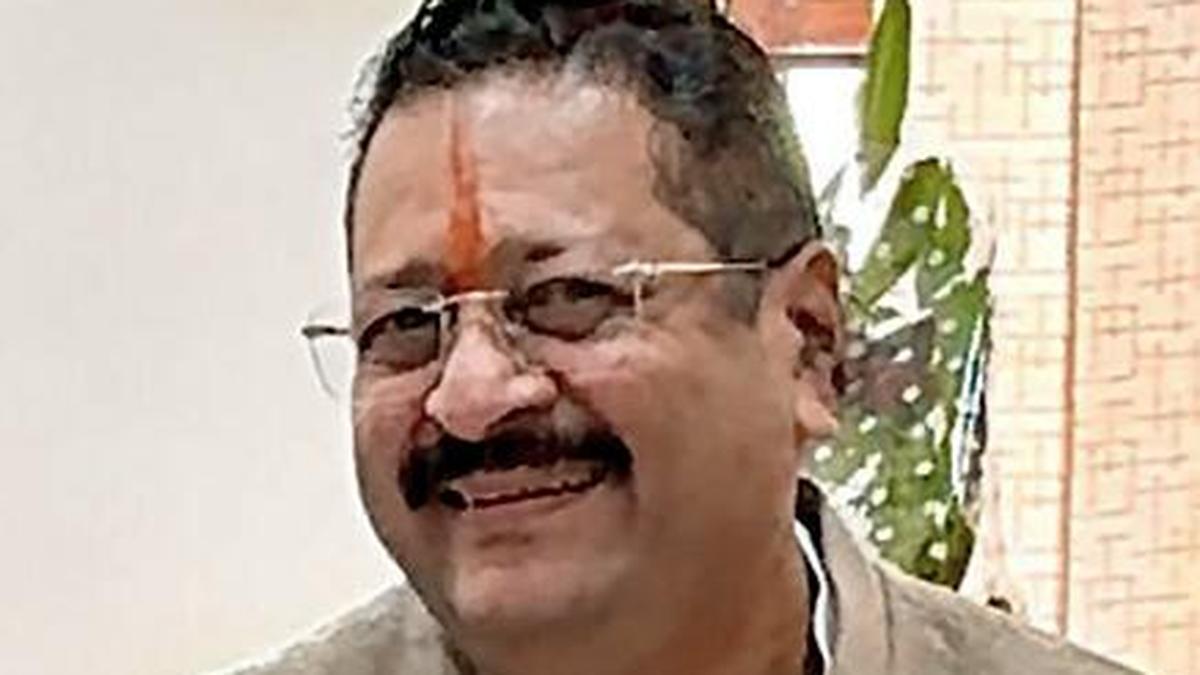
Police in Karnataka have registered a case against expelled Bharatiya Janata Party (BJP) leader Basanagouda Patil Yatnal and two others following allegations that documents identifying eight living people as dead were submitted in an attempt to remove their names from electoral rolls during the Special Intensive Revision (SIR) exercise.
The case came to light after Abdul Razak Bagwan, a vegetable vendor from Vijayapura, discovered that he had allegedly been declared dead in documents submitted to support an objection to his inclusion on the voters’ list. Bagwan approached the police, claiming that seven other people had reportedly faced a similar situation.
The incident has intensified concerns about alleged irregularities in Karnataka’s electoral roll revision process. According to police, the latest case is the ninth registered in the state in connection with alleged attempts to remove eligible voters through questionable applications and supporting documents.
Vegetable Vendor Discovers His Name Linked to Death Records
Abdul Razak Bagwan, who lives in Vijayapura, was reportedly shocked to learn that documents had been submitted identifying him as deceased. The alleged use of a death certificate in his case raised questions about how official records were being used during the voter verification process.
Bagwan told the police that he was aware of at least seven other people who had allegedly been shown as dead in documents connected to efforts to remove their names from the electoral roll.
The complaint led police to register a case against Yatnal and two other individuals. Investigators are examining the allegations and the documents submitted during the revision exercise.
The incident has also drawn attention to the potential consequences of inaccurate or allegedly misused records. If a living citizen is incorrectly classified as deceased in official documentation, the error could create difficulties beyond voting rights, depending on which records and government systems are affected.
Eight People Challenge Claims That They Are Dead
The allegations gained wider attention after eight people, including Bagwan, came forward to establish that they were alive despite documents reportedly being used to identify them as deceased.
Three women also publicly presented their identity documents and copies of the relevant death certificates, demanding action against those responsible for submitting the documents.
One of the women, Raziya Sheikh, said she had lived in Vijayapura for nearly three decades and was concerned about the implications of a death certificate being submitted in her name.
She expressed apprehension that the alleged error could affect access to essential government services, including her ration card and other benefits.
The complaints have raised questions about whether the documents were adequately checked against the identities of the individuals concerned before being submitted for electoral verification.
Authorities will need to establish how the documents were obtained, why they were associated with living individuals and whether anyone knowingly provided incorrect information to influence the voter verification process.
Death Certificates Reportedly Issued by a Competent Authority
An earlier verification reportedly found that the death certificates had been issued by a competent authority. However, other identifying particulars in the certificates did not correspond with the details of the living individuals whose names appeared in the documents.
This distinction is important because the controversy does not necessarily concern whether the certificates themselves were formally issued. Instead, a central question is whether genuine documents relating to other individuals were allegedly used in a misleading manner to support objections against living voters.
Differences in personal information can be significant when verifying identity. Names may sometimes match across different people, but details such as parents’ names, spouses’ names and other identifying particulars are essential for establishing whether a document belongs to a particular individual.
Investigators will have to determine whether the discrepancies resulted from an administrative error, mistaken identification or deliberate misrepresentation. The allegations remain subject to investigation, and responsibility for any wrongdoing must be established through evidence.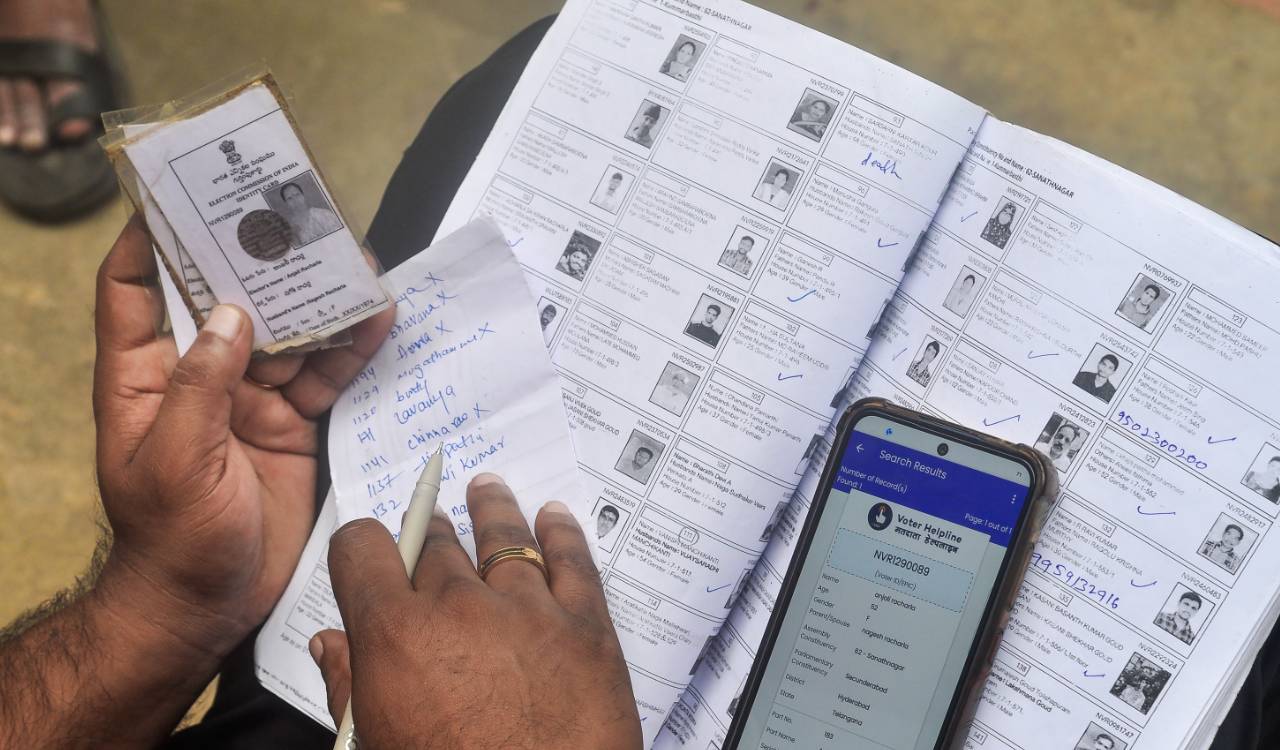
Yatnal’s Objections Covered More Than 1,000 Voters
According to the reported details of the case, Yatnal submitted objections concerning 1,054 voters during the SIR exercise. Supporting documents were attached to challenge the continuation of their names on the electoral roll.
At least eight individuals were reportedly identified as deceased in the documents associated with the objections.
The objections were allegedly submitted to the authorities on August 31, approximately a week after publication of the draft electoral roll. The matter was subsequently taken up for verification.
The scale of the submission has become a significant part of the controversy. Authorities must determine whether the objections were supported by accurate information and whether the procedures for checking the documents were followed correctly.
Submitting an objection to an electoral roll is not, by itself, evidence of an offence. However, knowingly supplying false information or misusing documents to remove eligible voters could attract legal consequences if the allegations are established.
Yatnal did not respond to repeated requests for comment, according to the reported account. The allegations against him have not been established in court.
What Is the Special Intensive Revision of Electoral Rolls?
The Special Intensive Revision is an exercise undertaken to review and update electoral rolls. Its purpose is to improve the accuracy of voter records and ensure that the lists reflect eligible voters.
The process can involve checking voter details, identifying discrepancies and considering objections relating to the inclusion or deletion of names.
Form 7 is used to submit an objection to the inclusion of a name or to seek deletion of a name from an existing electoral roll. Such applications must be examined through the prescribed verification procedures before any decision is taken.
The process is particularly important because electoral rolls determine who can participate in elections. Incorrectly removing an eligible voter can affect that person’s ability to exercise a fundamental democratic function, while failing to correct inaccurate records can also undermine the reliability of the electoral system.
The Karnataka controversy has brought renewed attention to the safeguards required when objections are submitted in large numbers. Verification must establish whether the information is accurate, whether the supporting documents relate to the individuals named and whether the objections have been filed in accordance with the applicable rules.
The objective of a revision exercise is to maintain accurate voter records, not to exclude eligible citizens through unverified claims.
Ninth Case in a Wider Karnataka Voter Deletion Controversy
The Vijayapura case is part of a broader series of complaints involving alleged attempts to remove genuine voters through bulk Form 7 applications and other disputed submissions.
Eight earlier cases had reportedly been registered in different parts of Karnataka, including Bhalki, Belagavi North, Ballari, Mysuru and Bengaluru.
The allegations in these cases vary but include the submission of large numbers of objections, the alleged use of voters’ personal information without their knowledge and claims involving forged signatures or inaccurate details.
The cases have prompted questions about how electoral objections are prepared, submitted and verified, particularly when many applications are filed together.
The latest complaint adds to pressure on authorities to ensure that every objection is assessed on its merits and that no eligible voter is removed solely because a questionable document has been submitted.
Investigations across the state will also be important in determining whether the reported incidents are isolated disputes or reflect wider weaknesses in the handling of electoral records.
Election Commission Directs Officials to Examine False Applications
The Election Commission of India has directed election officials in Karnataka to examine allegations involving false Form 7 applications and take legal action wherever warranted.
The issue has also raised questions about coordination between police investigations and the procedures available under electoral law.
According to the reported details, the eight earlier first information reports were not initiated by Electoral Registration Officers. This has drawn attention to the separate responsibilities of police authorities and election officials when allegations concern potentially false declarations submitted during an electoral roll revision.
However, the absence of an Electoral Registration Officer’s complaint does not automatically prevent police from investigating other alleged criminal offences. The legal route depends on the nature of the complaint and the provisions applicable to the alleged conduct.
Authorities must therefore establish both the facts surrounding each disputed application and the appropriate legal action, where necessary.
The Election Commission’s role is particularly important in ensuring that the revision process remains transparent, that objections are properly examined and that eligible voters receive an opportunity to challenge errors affecting their records.
Legal Consequences for False Declarations
Section 31 of the Representation of the People Act, 1950, provides for punishment when a person knowingly makes a false statement or declaration in connection with the preparation, revision or correction of electoral rolls.
The provision carries a possible sentence of up to one year in prison, a fine, or both.
Karnataka Home Minister Priyank Kharge has also warned that individuals who knowingly provide false information to the Election Commission through Form 7 applications could face imprisonment. He has accused BJP workers of submitting applications that claimed voters had died.
Such political allegations must be distinguished from findings established through a police investigation or judicial proceedings. Whether a particular individual committed an offence will depend on the evidence, the applicable law and the outcome of the legal process.
The latest case against Yatnal and the other accused will require investigators to examine the complaint, verify the documents and establish whether the alleged conduct involved deliberate wrongdoing.
Why Accurate Voter Records Matter
The controversy highlights the importance of maintaining reliable electoral records and protecting citizens against wrongful deletion from voter lists.
A false declaration that a living person has died can create uncertainty about the person’s electoral status and may trigger additional verification. If the underlying information is also reflected in other administrative records, the individual could face further complications while attempting to establish their identity.
For voters, the episode underlines the importance of checking their electoral details and promptly reporting discrepancies to the relevant election authorities.
For officials, it highlights the need for careful scrutiny of supporting documents, especially when objections involve multiple individuals or are submitted in bulk. Matching names alone may not be sufficient to establish identity when other personal details conflict.
Transparent procedures, effective verification and timely grievance redressal are essential to maintaining public confidence in the electoral system.
Investigation Continues as Questions Remain
The case in Vijayapura has added to a growing debate over alleged irregularities in Karnataka’s Special Intensive Revision process. With eight living people reportedly identified as dead in disputed documents, the investigation will need to establish how the records were used and whether the objections were knowingly based on false information.
The police have registered a case against Yatnal and two others following Bagwan’s complaint. The Election Commission has separately directed officials to examine allegations involving false applications and take action where required.
The central issue is whether the electoral roll revision process was misused to seek the removal of eligible voters. The findings of the investigation will be crucial in determining responsibility and deciding whether further legal action is warranted.
Until the allegations are proven, the accused must be treated in accordance with due process. At the same time, the concerns raised by the affected residents underscore the need to protect every eligible citizen’s right to participate in elections and ensure that voter records are corrected only through lawful and properly verified procedures.