
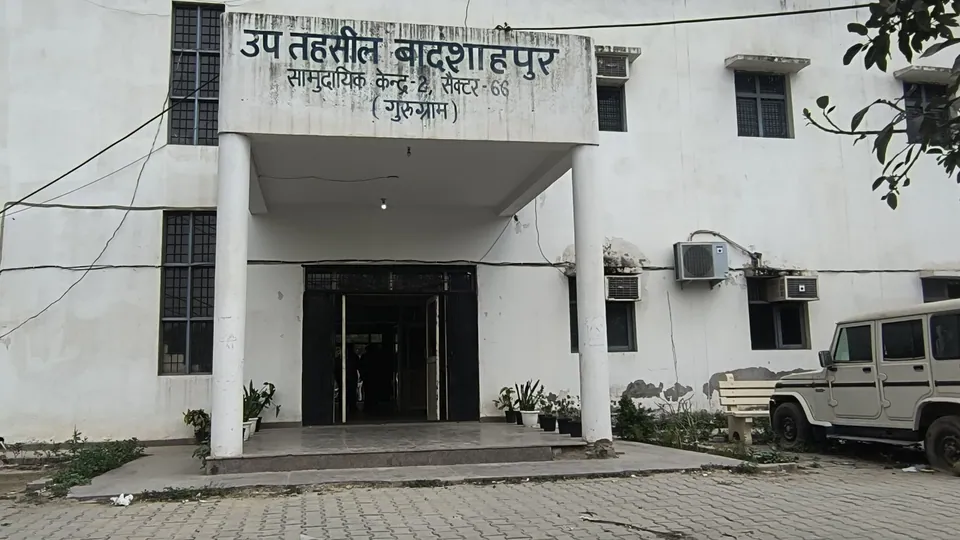
More than 35,000 property transactions valued at over ₹55,000 crore in Gurugram’s Badshahpur area have come under the scrutiny of the Income Tax Department following the detection of significant gaps in the reporting of high-value real estate deals. The transactions were either not reported to tax authorities or were submitted with incorrect Permanent Account Number (PAN) details, raising concerns about compliance with financial reporting requirements.
The findings emerged during a survey conducted by the Income Tax Department’s Directorate of Intelligence and Criminal Investigation (I&CI) at Badshahpur tehsil, where officials examined property registration records and compared them with financial information submitted to the department.
Officials have clarified that the total value of the transactions does not automatically indicate tax evasion. The actual tax implications will be determined after the authorities verify the records and establish the nature of the discrepancies.
Income Tax Survey Identifies Major Reporting Gaps
The survey forms part of a broader effort by tax authorities to improve compliance in the reporting of high-value immovable property transactions. The exercise focuses on the responsibilities of tehsildars and naib tehsildars, who play an important role in property registration and the submission of transaction-related financial information.
During the inspection, officials identified numerous cases in which property transactions were missing from the records submitted to the Income Tax Department. Other cases involved incorrect PAN details, making it difficult to establish the identities of the individuals involved.
The combined value of the affected transactions has been estimated at more than ₹55,000 crore, highlighting the scale of the reporting deficiencies detected in one of Gurugram’s prominent real estate areas.
The department is now expected to verify the transactions individually to determine whether the discrepancies resulted from administrative errors, incomplete documentation or deliberate attempts to conceal information.
How Incorrect PAN Details Complicate Tax Investigations
A Permanent Account Number is an important identifier used by tax authorities to connect financial transactions with the individuals and entities involved. Accurate PAN information helps the department compare property purchases and sales with the financial disclosures and income-tax records of buyers and sellers.
When incorrect PAN details are submitted, the department may find it difficult to establish the identity of the actual parties to a transaction. Similarly, when a transaction is not reported, authorities may lose an important opportunity to cross-check the deal against the financial information available in their systems.
Such gaps can complicate efforts to identify unexplained investments, discrepancies between declared income and property purchases, and other potential tax irregularities.
However, an incorrect PAN entry or a missing transaction report does not, by itself, establish that a buyer or seller has committed a tax offence. Investigators must verify the relevant documents and financial records before determining whether further action is warranted.
The Badshahpur survey is therefore focused on identifying and correcting reporting deficiencies while examining whether any of the cases require closer scrutiny.
Property Registration Records Compared With Financial Disclosures
A key component of the investigation involved comparing the Haryana government’s property registration database with Statements of Financial Transactions (SFTs) submitted to the Income Tax Department.
SFTs provide information about specified financial transactions and help tax authorities monitor high-value activities. The information allows officials to compare transaction records with other available financial disclosures and identify inconsistencies that may require examination.
By matching the two sets of records, officials identified substantial gaps involving omitted transactions and inaccurate PAN particulars.
The comparison is particularly important in real estate, where property purchases and sales can involve substantial sums of money. Reliable transaction reporting enables authorities to establish who bought or sold a property and whether the associated financial information is consistent with the parties’ tax records.
The department will need to determine whether the discrepancies identified in Badshahpur reflect isolated documentation problems or wider weaknesses in the reporting process.
Haryana’s Property Transaction Reporting System Under Scrutiny
The findings from Badshahpur are part of a wider examination of property transaction reporting across Haryana. The Income Tax Department’s intelligence and investigation wing has conducted similar surveys over the past year and brought reporting deficiencies to the attention of senior state officials.
The department has raised concerns about cases in which revenue officials failed to submit the required transaction statements or provided inaccurate PAN information.
The Principal Director General of Income Tax (I&CI), New Delhi, also wrote to Haryana’s chief secretary, drawing attention to the deficiencies and the need for corrective measures.
The concerns extend beyond the transactions identified in Badshahpur. They raise questions about whether the state’s reporting mechanisms are sufficiently reliable to ensure that information about high-value property deals reaches the tax authorities accurately and within the prescribed time.
A consistent reporting system is essential because incomplete or incorrect information can weaken the department’s ability to monitor financial activity and identify transactions that require additional verification.
Delays in Filing Statements of Financial Transactions
Another issue highlighted by the department concerns delays in the submission of Statements of Financial Transactions by revenue officials across Haryana.
The state had previously assured tax authorities that a centralised mechanism for filing SFTs would be implemented for the 2025–26 financial year. The filings were expected to be completed by May 31, 2026, and the Inspector General of Revenue had also indicated that compliance would improve.
However, the department’s latest review indicated that the filing position had worsened compared with the previous year.
According to the review, only around 45 of Haryana’s approximately 140 tehsildars had submitted their SFTs by the time of the latest assessment, despite the May 31 deadline having passed. In contrast, more than 120 tehsildars had filed the required statements within the prescribed period in the previous year.
This left nearly two-thirds of the tehsildars yet to complete their filings, according to the department’s assessment.
The shortfall has increased pressure on the state administration to ensure that pending statements are submitted and incorrect information is rectified. Without complete and timely reporting, tax authorities may struggle to maintain an accurate picture of high-value property transactions.
Why Badshahpur Is Important to the Investigation
Badshahpur is part of Gurugram, a major urban and commercial centre in Haryana where real estate activity has attracted considerable attention from investors and property buyers.
High-value land transactions and property registrations make accurate financial reporting particularly important in such markets. When a large number of transactions are either omitted or incorrectly documented, authorities must determine whether the problem is administrative, systemic or connected to potential financial irregularities.
The value of the transactions identified in the survey has placed the reporting mechanism under closer examination. However, the ₹55,000 crore figure represents the aggregate value of deals affected by reporting deficiencies, rather than a confirmed amount of undisclosed income or tax revenue lost.
The distinction is important because the value of a property transaction is not the same as the amount of tax payable on it. Tax liability depends on the applicable legal provisions and the circumstances of each transaction.
Officials must therefore establish the facts of individual cases before drawing conclusions about possible tax violations.
What Happens Next?
The Income Tax Department is expected to continue examining the transactions identified during the survey and follow up on missing or inaccurate filings.
The verification process could involve checking property registration documents, confirming the identities of buyers and sellers, reviewing PAN information and comparing transaction details with the financial records available to tax authorities.
Where discrepancies are found, the authorities will need to determine whether corrections are sufficient or whether additional examination is necessary. Cases involving evidence of deliberate concealment or other potential violations may require further action in accordance with the applicable law.
The department has also called for corrective measures to ensure that pending SFTs are filed and inaccurate details are amended.
The outcome will depend on the findings of the verification process and the response of the relevant state revenue authorities.
A Wider Test for Financial Transparency in Real Estate
The Badshahpur investigation underscores the importance of accurate documentation and effective coordination between state revenue offices and the Income Tax Department.
Property registration records are not merely administrative documents; they also help authorities monitor substantial financial transactions and assess whether the information reported by individuals and entities is consistent with their tax records.
The large number of transactions flagged in Gurugram has drawn attention to the need for dependable reporting systems, timely submissions and accurate identification of the parties involved.
For the tax authorities, the immediate priority is to establish the facts behind the reporting gaps and determine the appropriate response in each case. For Haryana’s revenue administration, the findings highlight the need to improve compliance, correct inaccurate records and ensure that required financial disclosures are submitted within the stipulated deadlines.
The investigation could have broader implications for the monitoring of high-value property deals across the state. Its eventual findings will help establish whether the deficiencies were primarily procedural or whether individual transactions require further tax scrutiny.