

The National Investigation Agency (NIA) has launched investigations into two suspected espionage networks in West Bengal after authorities found allegations that Indian SIM cards were being used to operate WhatsApp accounts from Pakistan. Investigators suspect that the phone numbers may have been exploited to facilitate communication between Pakistan-based handlers and individuals in India, potentially enabling the exchange of sensitive information.
The two cases, which were previously investigated by the West Bengal Special Task Force, have been transferred to the NIA by the Union Home Ministry for a wider investigation into possible cross-border links and a larger conspiracy. Officials have stressed that the two cases are being investigated separately and that no direct connection between them has been established.
The investigation focuses on how Indian mobile numbers were obtained, activated and subsequently used to register WhatsApp accounts that were allegedly controlled from across the border. Authorities are also examining whether local individuals deliberately helped foreign handlers gain access to Indian phone numbers and communication platforms.
Four Individuals Named in Two Separate Cases
According to investigators, four individuals from West Bengal have been named in the two cases. Two are from Paschim Medinipur district, while the other two are residents of Murshidabad district.
The first case involves Sheikh Mursalin and Goutam Khanra, who are suspected of facilitating the sale and activation of Indian SIM cards in different parts of West Bengal. Investigators allege that these numbers were subsequently used by Pakistan-based handlers to register WhatsApp accounts.
The second case concerns Sheikh Juhab and Sheikh Suman, both from Murshidabad. Investigators suspect that Juhab used a similar method to activate SIM cards illegally and share one-time passwords, or OTPs, that could be used to gain access to WhatsApp accounts.
The allegations against the individuals remain subject to investigation. The NIA is seeking to establish the extent of their suspected involvement, identify other possible participants and determine whether the activities were part of a coordinated operation.
How Indian SIM Cards Were Allegedly Misused
A central aspect of the investigation is the alleged use of Indian SIM cards to create WhatsApp accounts that could be operated from Pakistan. Investigators suspect that people in India supplied the SIM cards or helped activate them by sharing the OTPs required during account registration.
An OTP is a temporary verification code used to confirm access to a phone number or complete a digital authentication process. If a person shares this code with someone else, that individual may be able to complete the registration process for a service associated with the number, depending on the platform’s security measures.
In the cases under investigation, officials suspect that Indian contacts helped facilitate the activation process, allowing foreign handlers to use WhatsApp accounts associated with Indian phone numbers. Investigators allege that some of the individuals involved received payments of a few thousand rupees for each SIM card.
The NIA is examining the suspected arrangement to determine how the numbers were sourced, who activated them, how the verification codes were obtained and who ultimately controlled the resulting accounts.
The case highlights a potential security concern involving the misuse of legitimate telecommunications services. A phone number registered or activated in India may be used for online communication even when the person controlling the associated account is physically located in another country.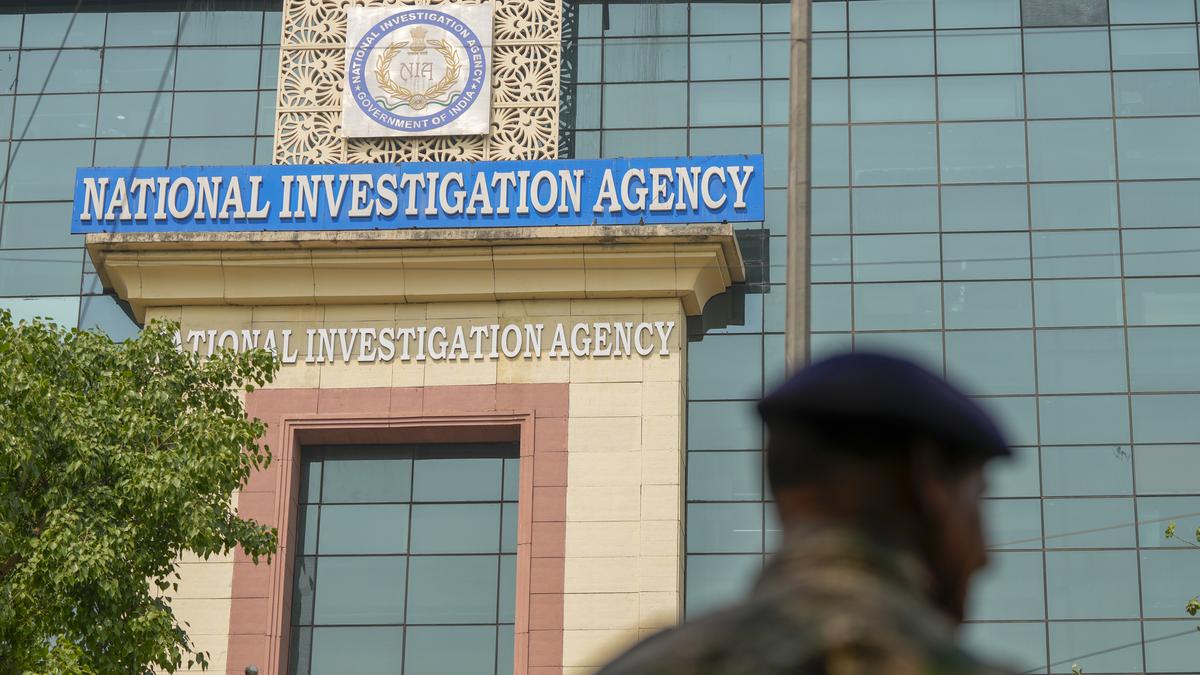
NIA Suspects Hundreds of SIM Cards May Have Been Used
Investigators suspect that approximately 400 SIM cards may have been activated through the alleged method over the past few years. This figure is an estimate under examination and should not be treated as a confirmed total of compromised numbers.
Officials are investigating whether the suspected activity involved a broader supply network that procured Indian SIM cards, arranged their activation and passed the necessary verification codes to handlers abroad.
Establishing the scale of the operation will require investigators to examine available digital records, telecommunications information, financial transactions and communication between the suspected participants. Authorities will also need to determine whether the SIM cards were acquired using genuine subscriber details, false identities or other potentially unlawful methods.
The investigation may help establish whether the suspected activity was limited to a small number of individuals or involved a larger network operating across multiple locations.
Possible Links to Pakistan-Based Intelligence Operatives
Officials suspect that the foreign handlers may be associated with Pakistan-based intelligence operatives, potentially including individuals linked to Pakistan’s Inter-Services Intelligence (ISI). However, the precise identities of the handlers, the extent of their involvement and the nature of the alleged intelligence activities remain matters for investigators to establish.
Authorities are examining whether the WhatsApp accounts were used to communicate with contacts in India and whether any sensitive information was shared through these channels. They are also looking into the possibility that local intermediaries played a role in facilitating communications or supporting the suspected network.
The investigation is intended to determine whether the alleged misuse of Indian SIM cards formed part of a broader espionage operation. Investigators will need to establish the specific activities carried out through the accounts and identify any information that may have been obtained or transmitted.
At this stage, the allegations do not establish that every SIM card or WhatsApp account under scrutiny was used for espionage. The nature and purpose of each suspected communication will need to be assessed through evidence.
Why the Cases Have Been Transferred to the NIA
The transfer of the cases to the NIA signals a move towards examining the allegations from a broader national-security perspective. While state-level investigators had previously handled the matters, the central agency is now looking into whether the suspected activities point to a wider conspiracy involving foreign handlers and Indian intermediaries.
The NIA specialises in investigating offences that threaten India’s sovereignty, security and integrity. Its involvement may allow investigators to examine possible connections between individuals, communication networks and suspected activities across different jurisdictions.
A key objective will be to establish the complete chain of events, from the acquisition of the SIM cards to the activation of WhatsApp accounts and their subsequent use. Investigators may also seek to determine whether other individuals supplied phone numbers, shared verification codes, arranged payments or helped maintain contact with foreign handlers.
The agency is examining the two cases independently. Any broader relationship between the suspected networks would have to be supported by evidence rather than assumed because the allegations involve similar methods.
Digital Communication and National Security Concerns
The suspected misuse of Indian phone numbers raises questions about the security of digital identity and the role of intermediaries in online communication. Messaging services are widely used for personal conversations, business activities and information sharing. Their accessibility also means that compromised phone numbers can create opportunities for impersonation or unauthorised account registration.
For investigators, identifying the physical location of a person operating an account is only one part of the inquiry. They must also establish who controlled the account, how access was obtained, whether the registered subscriber consented to its use and whether the communications were connected to an alleged offence.
Digital evidence may help investigators reconstruct the suspected chain of activity. Relevant material could include account-registration records, device information, communication logs where available, financial records and evidence recovered from the devices of individuals under investigation. The admissibility, authenticity and significance of such material would need to be assessed through the appropriate legal process.
The investigation also underscores the importance of protecting SIM cards and verification codes. Individuals should avoid sharing OTPs with unknown people and should report suspected misuse of their mobile numbers to the relevant service provider or authorities.
Wider Crackdown on Suspected Espionage Networks
The investigation comes amid broader efforts by Indian law-enforcement agencies to identify suspected foreign intelligence networks and their domestic contacts. Officials have pointed to other recent operations involving alleged Pakistan-linked networks, although those investigations should not automatically be treated as connected to the West Bengal cases.
In August, authorities reportedly carried out a coordinated operation across 14 states targeting a network allegedly backed by the ISI and led by wanted narco-terrorist Shahzad Bhatti. Officials reported that more than 200 suspects were arrested and another 253 people were detained during the operation.
The West Bengal investigations form a separate set of cases. Their significance will depend on the evidence gathered, the identities of the suspected handlers and whether investigators can establish that the alleged use of Indian SIM cards was connected to espionage or other offences.
Investigation Continues
The NIA is continuing to examine the alleged SIM-card activation process, the role of the four named individuals and the possible involvement of additional intermediaries. Investigators are also trying to determine how many phone numbers may have been affected and whether sensitive information was transmitted through the accounts in question.
The estimated figure of around 400 SIM cards remains a key line of inquiry rather than a final finding. Similarly, the suspected links to Pakistan-based intelligence operatives will require evidence to establish the identities and activities of those involved.
The outcome of the investigations could provide further insight into how telecommunications services and messaging platforms may be exploited in alleged cross-border espionage activities. For now, the cases remain under investigation, and the allegations against the individuals must be distinguished from findings established through the legal process.