
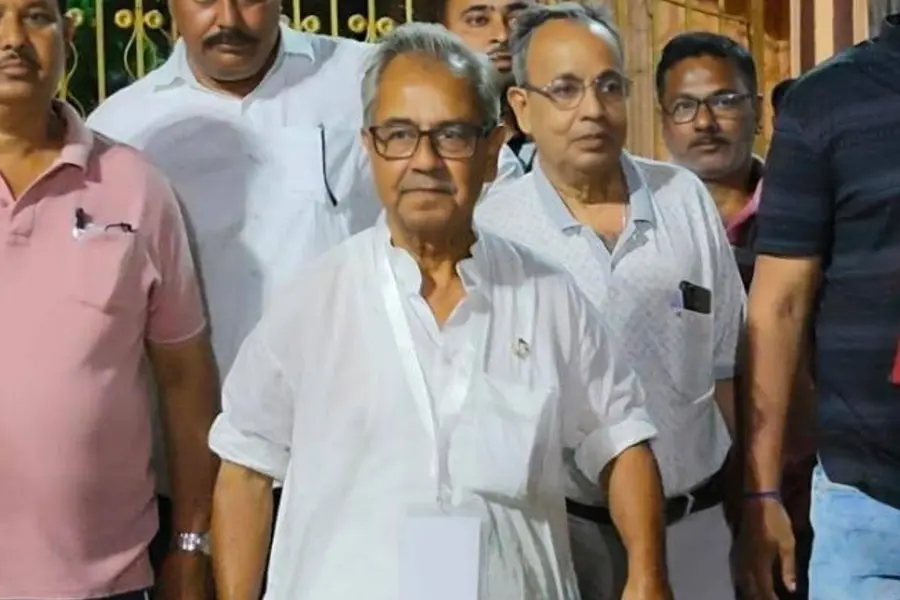
Former West Bengal Assembly deputy speaker and veteran Trinamool Congress leader Ashis Banerjee was found dead at a party office in Rampurhat in Birbhum district on Sunday morning, sending shockwaves through the state’s political circles.
Police said Banerjee’s body was found at a Trinamool Congress office located near his residence in the Hattala Para area of Rampurhat. A purported suicide note was also recovered from the premises. Investigators are examining the circumstances surrounding the death, while the authenticity and contents of the note are being assessed.
The body was sent for a post-mortem examination as part of the investigation. Police are yet to establish the precise circumstances that led to Banerjee’s death, and officials have not drawn a final conclusion regarding the contents of the purported note.
The death of a senior political figure at a party office has raised questions within political circles, particularly given Banerjee’s long association with the TMC and his decades-long presence in electoral politics in Birbhum.
Long Political Career in Rampurhat
Ashis Banerjee had been a prominent political figure in Rampurhat for more than two decades. He represented the constituency in the West Bengal Assembly continuously from 2001 until 2026, establishing himself as one of the TMC’s senior leaders in the Birbhum region.
During his political career, Banerjee held several important responsibilities in the state government. He served as deputy speaker of the West Bengal Assembly and also held ministerial portfolios, including school education and agriculture, in the Mamata Banerjee-led government.
His political career was closely linked to the growth and consolidation of the Trinamool Congress in Birbhum. He was considered an important party leader in the district, particularly during the period when Anubrata Mondal was the TMC’s prominent organisational figure in Birbhum.
Electoral Defeat in 2026
Banerjee’s political fortunes changed during the 2026 West Bengal Assembly elections. Contesting from Rampurhat on a TMC ticket, he lost the constituency to BJP candidate Dhruva Saha by more than 24,000 votes.
The defeat marked a significant setback for a politician who had represented Rampurhat for roughly 25 years. According to party sources, Banerjee became less active in politics following the election result.
His electoral defeat came amid a broader political transformation in West Bengal, with the 2026 Assembly election resulting in a major shift in the state’s political landscape. 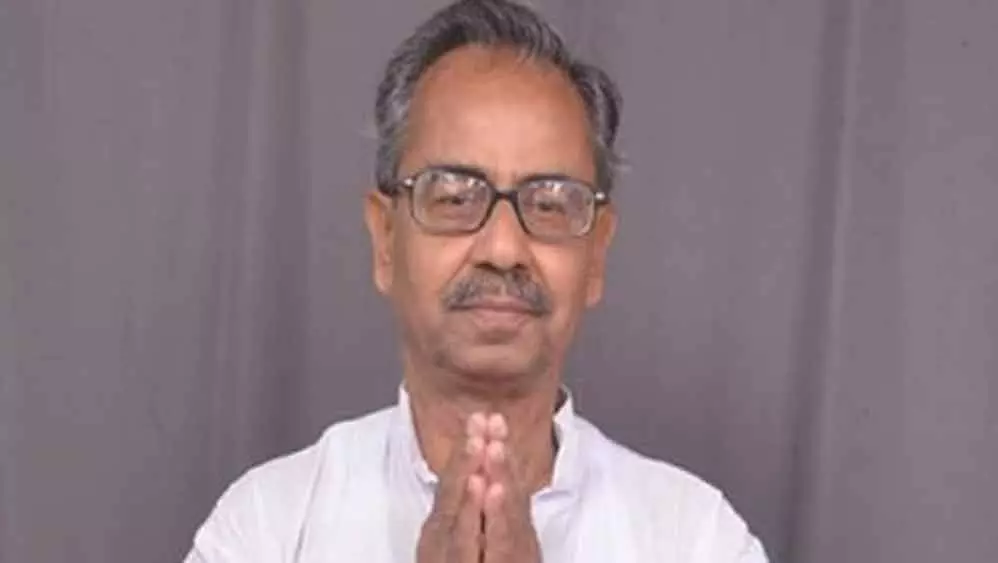
Resignation From Party Organisation
Banerjee’s death also followed changes in his position within the TMC’s organisational structure.
Earlier in 2026, he had resigned as chairman of the party’s Birbhum district core committee. His resignation reportedly came amid differences over the functioning of the organisation and developments involving former Lavpur MLA Abhijit Sinha.
Although Banerjee continued to remain associated with the TMC, his political activity reportedly declined following his electoral defeat and organisational resignation.
These developments are now likely to form part of the wider context examined by investigators as they try to establish what happened before his death.
Purported Suicide Note Under Investigation
A purported suicide note was recovered from the TMC office where Banerjee was found dead. The contents of the note have circulated publicly, but its authenticity has not been independently established.
Reports about the note indicate that Banerjee allegedly stated that no individual was responsible for his death and expressed regret over entering politics. The purported note also reportedly contained statements concerning allegations of corruption and internal political issues.
According to reports about the document, Banerjee allegedly denied involvement in corruption and said he had not accepted money in return for official work. It reportedly referred to issues connected with the Tarapith-Rampurhat Development Authority and claimed that he had no involvement in decisions concerning tenders, cheques, plan approvals or no-objection certificates.
The note also reportedly alleged that efforts had been made to damage his reputation and humiliate him. However, these claims remain part of an unverified document and should not be treated as established facts until investigators authenticate the note and determine its relevance to the case.
Police are examining the document along with other evidence gathered from the scene.
Investigation and Post-Mortem
Following the discovery of Banerjee’s body, police reached the party office and initiated the necessary procedures. His body was subsequently sent for post-mortem examination.
The post-mortem report is expected to provide important medical evidence concerning the circumstances of his death. Investigators will also examine the scene, the purported note and other available evidence before reaching any conclusion.
Authorities have not yet publicly established a definitive motive. The investigation is therefore expected to focus on reconstructing Banerjee’s movements and activities before his death and determining whether the circumstances correspond with the claims contained in the purported note.
Political Significance of His Death
Banerjee’s death comes at a particularly significant time for West Bengal politics. The 2026 Assembly election brought a major change to the state’s political balance after the TMC’s long period in power.
For the TMC, Banerjee represented an older generation of leaders who had built their political careers through repeated electoral contests and sustained organisational work at the constituency level.
His long association with Rampurhat and his previous roles in the state government made him a recognised figure beyond his constituency. His death is consequently likely to have a wider impact within the party and among political observers in West Bengal.
At present, however, the circumstances surrounding his death remain under investigation. The purported suicide note, political developments preceding his death and findings from the post-mortem examination are expected to be important elements in determining the full sequence of events.
Until the investigation is completed, no definitive conclusion can be drawn about the reasons behind Banerjee’s death.