
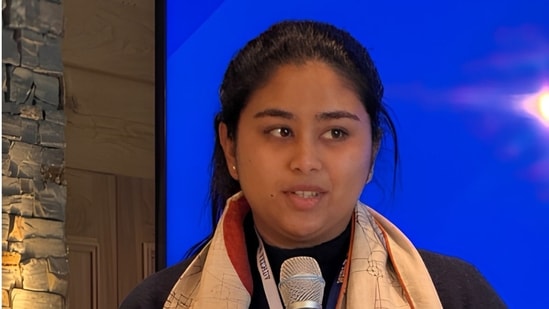
Union Education Minister Dharmendra Pradhan’s daughter has deactivated her Instagram account after becoming the target of widespread online criticism following the recent controversy surrounding student protests in the national capital. The move came as social media platforms witnessed an intense wave of reactions, with many users directing comments and criticism toward members of the minister’s family in the aftermath of the demonstrations.
The controversy emerged after police action against student protesters triggered a heated political and public debate. Images and videos circulating online fueled widespread discussions, leading to criticism from opposition leaders, activists, students, and civil society groups. While much of the online discourse focused on government policies and the handling of the protests, a section of social media users began targeting the personal social media accounts of individuals related to political leaders, including the Education Minister’s daughter.
As online attention intensified, her Instagram profile reportedly became flooded with comments from users expressing anger and frustration over the government’s response to the protests. The increasing volume of messages eventually led to the account being disabled, a move that has drawn attention to the growing issue of online harassment directed at family members of public figures.
The incident has reignited concerns over the boundaries of political criticism on social media. While democratic societies encourage public debate and accountability, experts have repeatedly warned that relatives of politicians and public officials often become unintended targets despite having no direct involvement in political decision-making.
The latest episode also highlights the challenges created by the rapid spread of content across digital platforms. Public outrage, amplified by viral posts and trending hashtags, can quickly shift from criticism of institutions and policies to personal attacks on individuals associated with political leaders. Such developments have sparked broader conversations about responsible online conduct and the ethical use of social media.
Political observers note that social media has become an influential platform for public expression, enabling citizens to voice opinions instantly. However, the same platforms can also facilitate coordinated harassment, cyberbullying, and targeted abuse, raising questions about digital responsibility and user accountability.
The controversy unfolded against the backdrop of nationwide discussions over student demonstrations and police action. The protests generated strong reactions across political circles, with opposition parties criticizing the government’s handling of the situation, while government representatives defended the measures taken by authorities as necessary to maintain public order.
The online backlash involving the minister’s daughter has further shifted attention toward the personal consequences that political controversies can have on families of elected representatives. Similar incidents in recent years have prompted calls for greater awareness regarding digital ethics and respect for individual privacy, regardless of political affiliations.
Cybersecurity and digital rights experts have consistently emphasized that disagreement over government policies should remain focused on public officials and institutional decisions rather than extending to private individuals who are not directly connected to policymaking. They argue that online platforms should continue strengthening measures to curb harassment while encouraging constructive public discourse.
As discussions continue over the broader issues surrounding the student protests and the government’s response, the incident involving the Education Minister’s daughter serves as another reminder of the increasingly blurred lines between public accountability and personal privacy in the age of social media.