
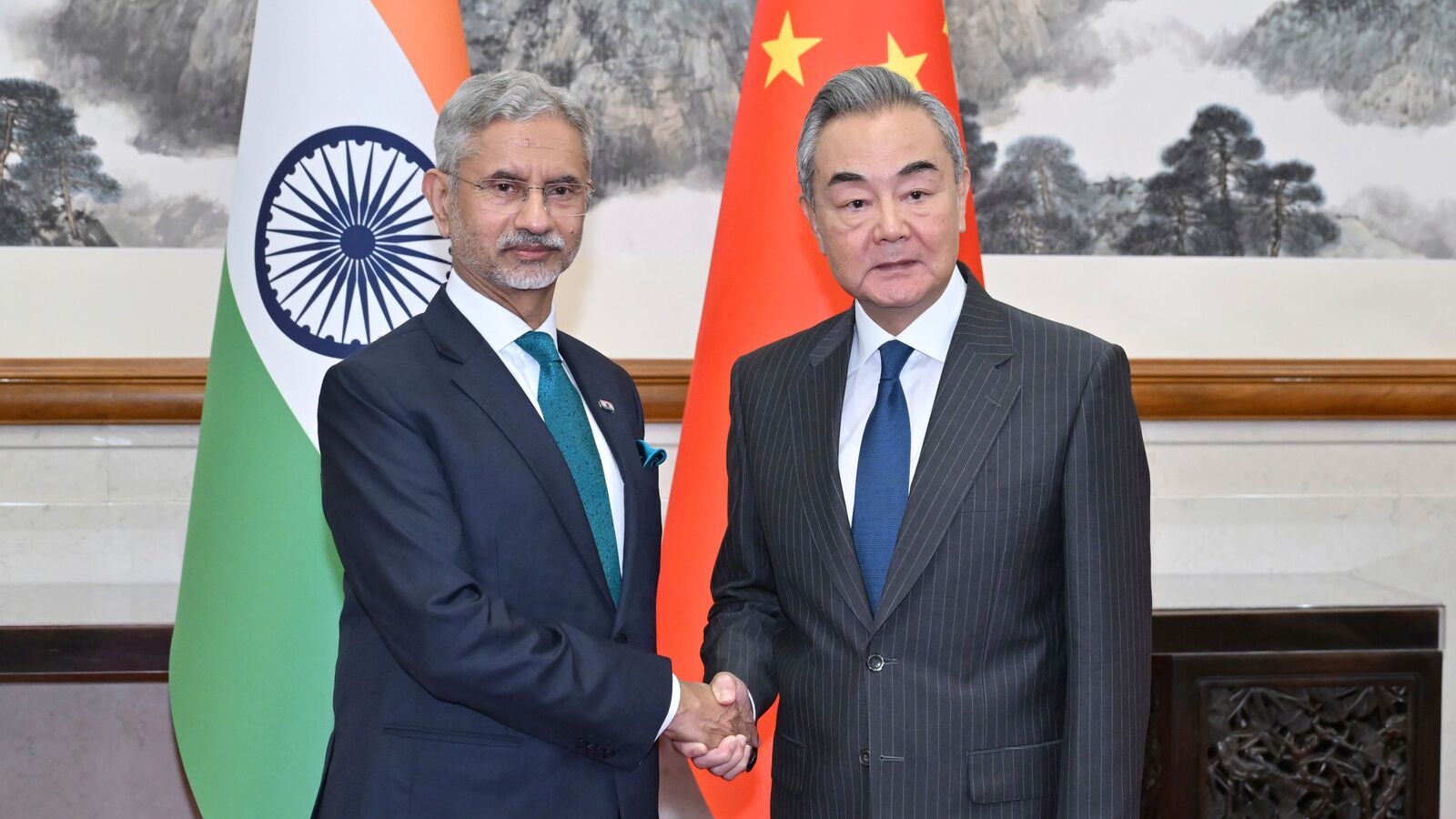
India has reiterated that peace and stability along the Line of Actual Control (LAC) remain the foundation for rebuilding normal relations with China. During a high-level diplomatic engagement, External Affairs Minister S. Jaishankar conveyed to his Chinese counterpart that sustained border peace is a necessary precondition for improving bilateral ties and expanding cooperation between the two neighbouring nations.
The meeting comes at a time when both countries are attempting to maintain diplomatic dialogue despite lingering tensions that have strained their relationship over the past several years. While discussions covered multiple aspects of bilateral engagement, the Indian side made it clear that progress in overall relations cannot be separated from the situation along the disputed border.
Border Stability Remains India’s Primary Concern
During the talks, Jaishankar emphasized that mutual respect, mutual sensitivity, and mutual interests should continue to guide India-China relations. He underlined that the maintenance of peace along the border is not merely a military issue but the cornerstone for political trust and broader cooperation between the two countries.
India maintained that any effort to normalize relations must be supported by sustained stability in border areas. The minister stressed that the events of recent years have significantly affected bilateral trust, making it essential for both sides to ensure that agreements aimed at maintaining peace are fully respected.
The discussions reflected India’s consistent position that the overall relationship cannot return to normal unless the border situation remains peaceful and existing commitments are honoured by both countries.
Dialogue Continues Despite Persistent Challenges
Although border tensions have complicated diplomatic engagement, both India and China have continued communication through diplomatic and military channels. The latest meeting demonstrated a shared willingness to maintain dialogue and explore avenues for reducing misunderstandings while managing differences responsibly.
Officials from both sides reviewed developments in bilateral relations and discussed ways to strengthen communication mechanisms. The conversation also focused on ensuring that existing agreements regarding peace and tranquillity in border regions are effectively implemented.
India highlighted the importance of avoiding actions that could escalate tensions and called for continued efforts to maintain stability while addressing outstanding issues through established mechanisms. 
Broader Bilateral Relationship Discussed
Apart from the border issue, the two foreign ministers exchanged views on wider aspects of India-China relations, including regional developments and areas where constructive engagement could continue.
Despite political and security differences, both countries remain significant economic partners, making diplomatic engagement important for regional stability. However, India reiterated that genuine progress in bilateral cooperation depends on rebuilding confidence through peaceful border management.
The discussions also reflected the importance of sustained diplomatic communication between two major Asian powers whose relationship carries considerable implications for regional peace, trade, and strategic balance.
India Reaffirms Consistent Diplomatic Position
India has consistently maintained that the state of the border directly influences the overall trajectory of bilateral relations. The latest remarks by Jaishankar reinforce New Delhi’s long-standing position that lasting peace along the Line of Actual Control is indispensable for restoring trust and enabling normal engagement across political, economic, and cultural sectors.
The government believes that adherence to existing agreements, continued diplomatic dialogue, and responsible management of border issues will be essential for creating an environment where bilateral relations can gradually improve.
While both countries have expressed a willingness to remain engaged through diplomatic channels, India has made it clear that meaningful normalization will depend on sustained peace, stability, and confidence-building measures along the border.
Conclusion
The latest diplomatic exchange underscores India’s firm stance that border peace and tranquillity remain the bedrock of stable India-China relations. By emphasizing the need for mutual trust and adherence to existing agreements, India has signalled that future progress in bilateral ties will be closely linked to developments along the Line of Actual Control. As both nations continue diplomatic engagement, maintaining stability at the border is expected to remain the central issue shaping the future course of one of Asia’s most significant bilateral relationships.