
The Telangana government is intensifying efforts to manage the growing impact of deficient monsoon rainfall, as large parts of the state face drought-like conditions amid concerns over the possible influence of El Niño on weather patterns. The situation has also triggered a political confrontation between the ruling Congress and the opposition Bharat Rashtra Samithi (BRS) over the use of the Kaleshwaram Lift Irrigation Scheme to support agriculture in the state’s water-stressed northern districts.
According to official rainfall data, Telangana has recorded a cumulative monsoon deficit of around 31% to 35%. As of July 20, 30 of the state’s 33 districts were experiencing deficient or largely deficient rainfall. The shortage has raised concerns over agricultural operations, irrigation requirements and the availability of water in the coming months, particularly if the monsoon does not improve significantly.
The rainfall shortfall has coincided with substantial water inflows into the Godavari River system from upstream areas of Maharashtra and Chhattisgarh. Floodwaters entering the Medigadda barrage through the Pranahita River have reportedly reached levels of up to one lakh cusecs. The irrigation authorities have opened all 85 gates of the Medigadda barrage to release the incoming water downstream after the water level rose to approximately 96 metres.
The contrasting situation of inadequate rainfall across Telangana and high water availability in parts of the Godavari basin has become the centre of a political dispute over the operation of the Kannepalli pump house, a key component of the Kaleshwaram Lift Irrigation Scheme.
The BRS has been pressing the state government to restart the Kannepalli pumps and utilise the available Godavari water for irrigation. Party leaders have argued that the state should make use of the river’s current flow to provide relief to farmers struggling with inadequate rainfall.
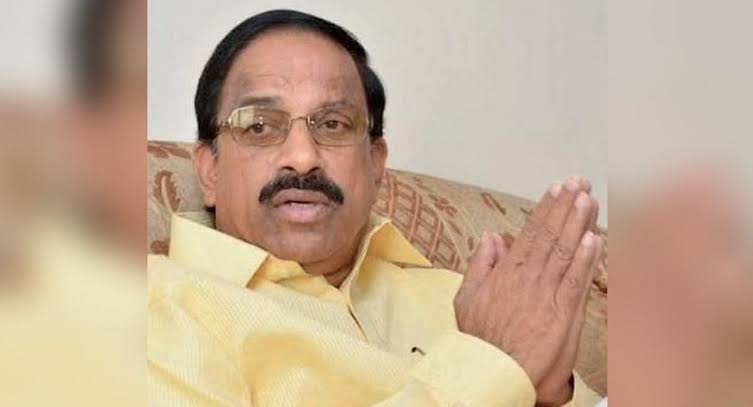
BRS working president K T Rama Rao has criticised the Congress government for not operating the pumping system, arguing that valuable Godavari water is being allowed to flow downstream while farmers in Telangana are facing increasingly difficult conditions. He has called for immediate action to lift water through the Kannepalli pump house to safeguard agricultural activities.
According to the BRS position, the Kannepalli pump house can be operated when the Godavari’s water level at the location crosses approximately 93 metres. With the river reportedly flowing at around 97 metres, the opposition has argued that the pumps could be used immediately.
Rama Rao has also claimed that the pumping system could lift nearly one trillion cubic feet, or one tmcft, of water each day. If sustained for around 100 days, he said, this could potentially help build up significant water reserves and reduce the risk of irrigation and drinking water shortages in several parts of the state.
The opposition has further compared Telangana’s situation with neighbouring Andhra Pradesh, where the Pattiseema Lift Irrigation Scheme has been used to transfer Godavari water. The BRS has questioned why the Kaleshwaram system has not been restored and utilised despite repeated demands from farmers and sections of the technical community. 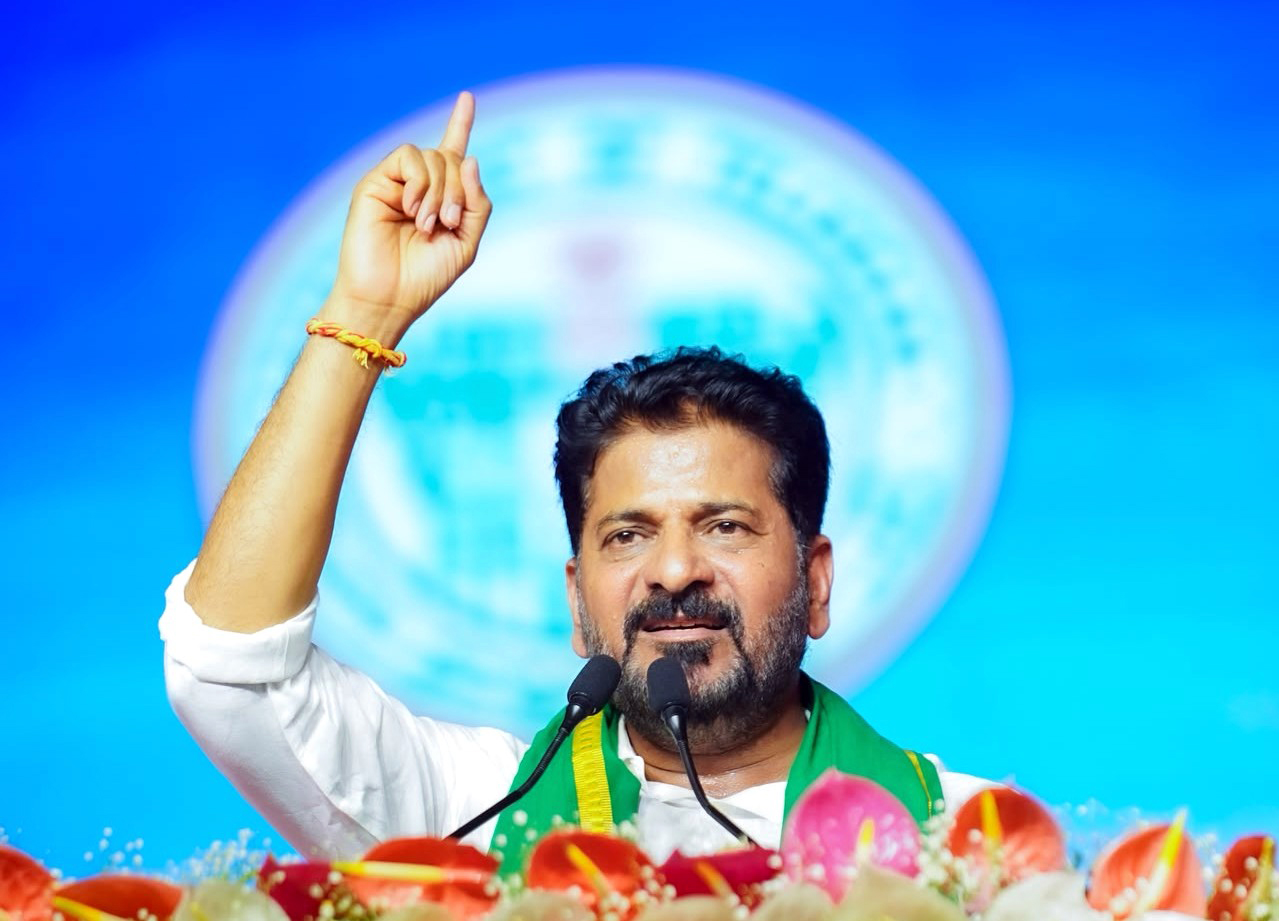
However, the Congress government has rejected the demand, citing serious concerns over the structural condition of the Kaleshwaram project’s barrages. Chief Minister A Revanth Reddy has maintained that operating the Kannepalli pump house and storing water in the affected structures could pose significant safety risks.
The government has pointed to the damage suffered by the Medigadda barrage during the October 2023 floods. It has argued that the barrage’s present structural condition makes large-scale water storage unsafe and that the authorities must follow the recommendations of technical and dam-safety agencies before restarting operations.
Irrigation Minister Uttam Kumar Reddy has strongly defended the government’s position while blaming the previous BRS administration for the problems surrounding the Kaleshwaram project. He has argued that the project was planned, constructed and operated during the BRS government’s tenure and that the partial collapse of the Medigadda barrage occurred in October 2023, before the Congress government came to power in December of that year.
The minister has accused the opposition of attempting to shift responsibility for the project’s structural problems onto the current administration. He has also questioned the decision-making behind the construction and operation of the barrage system.
The government has maintained that the Medigadda, Annaram and Sundilla barrages have been assessed as structurally unsafe by the National Dam Safety Authority. Officials have warned that filling these structures or operating the pumping system under current conditions could worsen existing damage and potentially create risks for downstream communities.
The government has therefore prioritised structural safety over immediate water storage. Officials have stressed that the state cannot risk operating infrastructure that has not yet received safety clearance, even as farmers face the consequences of the rainfall deficit.
At the same time, technical investigations into the condition of the Kaleshwaram infrastructure are progressing. The assessment reportedly covers several critical areas, including soil conditions, foundations, concrete quality and the overall structural integrity of the barrages.
The Central Water and Power Research Station and the National Geophysical Research Institute have completed a substantial portion of the investigations. Their findings have been forwarded to IIT Bombay, where detailed rehabilitation designs are being prepared.
One possible component of the restoration plan under consideration is the construction of a diaphragm wall across the affected barrages. However, officials have emphasised that no final decision has been taken and that the eventual repair strategy will depend on the recommendations of technical experts and the findings of ongoing assessments.
A Technical Oversight Committee constituted by the Union government is also examining the proposed rehabilitation measures. The state government has indicated that restoration work will proceed only after the necessary approvals are secured from the relevant technical and dam-safety authorities, including the National Dam Safety Authority and the Central Water Commission.
The dispute highlights the difficult balance facing Telangana as it deals with two contrasting water-related challenges at the same time. While insufficient monsoon rainfall has increased pressure on agriculture and water resources across much of the state, substantial flows in the Godavari basin have created an opportunity to access additional water—although the damaged condition of key irrigation infrastructure remains a major obstacle.
For farmers, the immediate concern is the availability of water for crops as the monsoon season progresses. For the government, the challenge is to address the rainfall deficit without compromising public safety or bypassing mandatory technical assessments.
The Telangana administration has reiterated that the Medigadda, Annaram and Sundilla barrages will not be operated for water storage until they are certified as structurally safe by the competent authorities. The government has maintained that any decision on restarting the Kaleshwaram system must be guided by engineering assessments and public safety rather than political pressure.
With the monsoon deficit continuing to affect most districts and the debate over the Kaleshwaram project intensifying, the coming weeks are likely to remain crucial for Telangana’s agricultural and water-management strategy. The state’s response to the rainfall shortage will depend not only on future monsoon conditions but also on the progress of technical investigations and the eventual rehabilitation of its major irrigation infrastructure.