
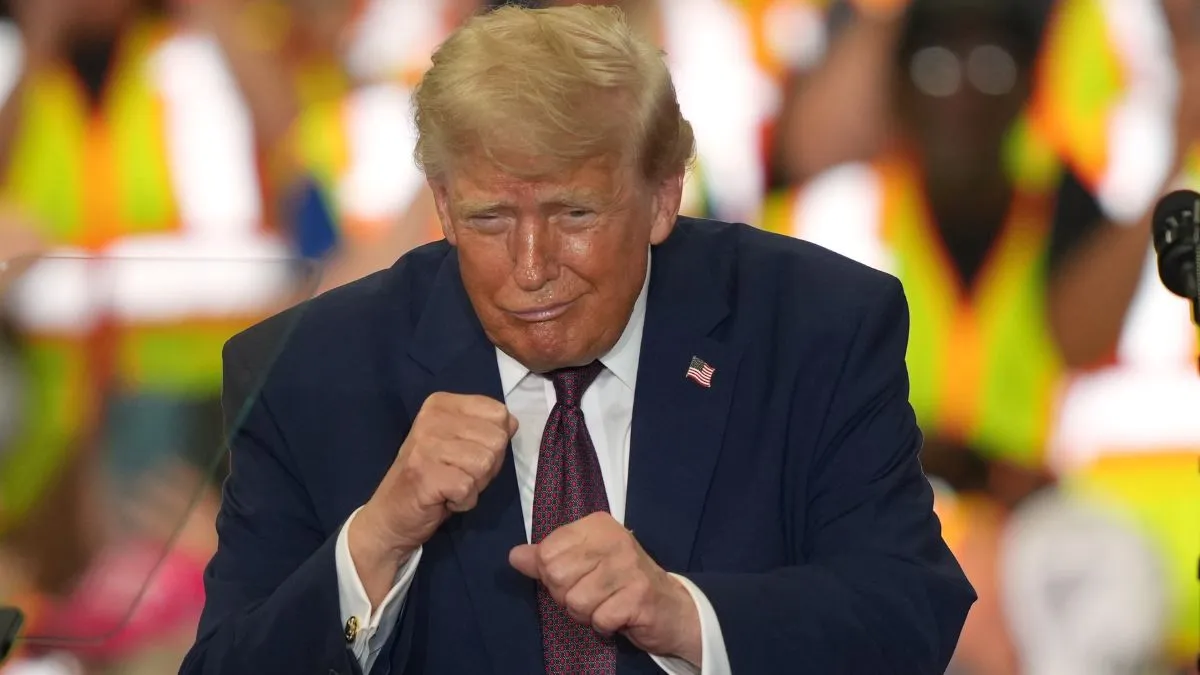
US President Donald Trump has announced a phased tariff plan targeting imported generic medicines, a move that could have significant consequences for India’s pharmaceutical industry and its exports to the American market.
Under the proposed policy, generic medicines entering the United States will continue to face zero tariffs for a two-year transition period beginning August 1, 2026. After that window, the tariff would rise sharply to 100% for one year before increasing further to 200% from August 2029.
The announcement has raised concerns in India because the country is one of the world’s largest suppliers of generic medicines and has a particularly strong presence in the US pharmaceutical market. Indian drug manufacturers supply a wide range of affordable medicines to American consumers, including treatments for chronic and serious conditions such as diabetes, hypertension, cancer, infectious diseases and mental health disorders.
What Trump’s new tariff plan proposes
The proposed tariff structure is designed to encourage pharmaceutical companies to establish or expand manufacturing operations within the United States.
According to the plan, imported generic medicines would remain exempt from tariffs from August 1, 2026, through August 2028. The policy would then introduce a 100% import duty for the following year. From August 2029, the tariff would rise to 200%.
The two-year grace period appears intended to give pharmaceutical companies time to invest in US-based production facilities, manufacturing equipment and supply chains. Companies that do not shift at least part of their manufacturing footprint to the United States could subsequently face significantly higher costs when exporting medicines into the American market.
The policy is part of a broader push by the Trump administration to reduce US dependence on overseas pharmaceutical manufacturing. The administration has repeatedly argued that essential medicines should be produced domestically to strengthen supply-chain security and protect national interests.
The latest proposal, however, has generated particular concern for generic drug manufacturers, which generally operate under tighter profit margins than companies selling patented and innovative medicines.
Why India is particularly vulnerable
India is widely recognised as a major global centre for generic drug production and has developed a strong pharmaceutical export business over several decades. Its manufacturers play an important role in supplying cost-effective medicines to the United States.
Indian pharmaceutical companies export billions of dollars worth of medicines to the US every year. Pharmaceutical exports to the American market were valued at around $10.5 billion in 2024-25, according to government data cited in the report. Another estimate placed India’s pharmaceutical exports to the US at approximately $9.7 billion in 2025.
The US market is therefore strategically important for Indian drug manufacturers. A significant portion of the generic medicines consumed in America are supplied by Indian companies, making the country particularly exposed to any policy that raises the cost of pharmaceutical imports.
The potential impact could extend beyond individual companies. If tariffs are ultimately implemented at the proposed levels, Indian manufacturers could face difficult choices: absorb the additional costs, increase prices, shift production to the US or reconsider their export strategies. 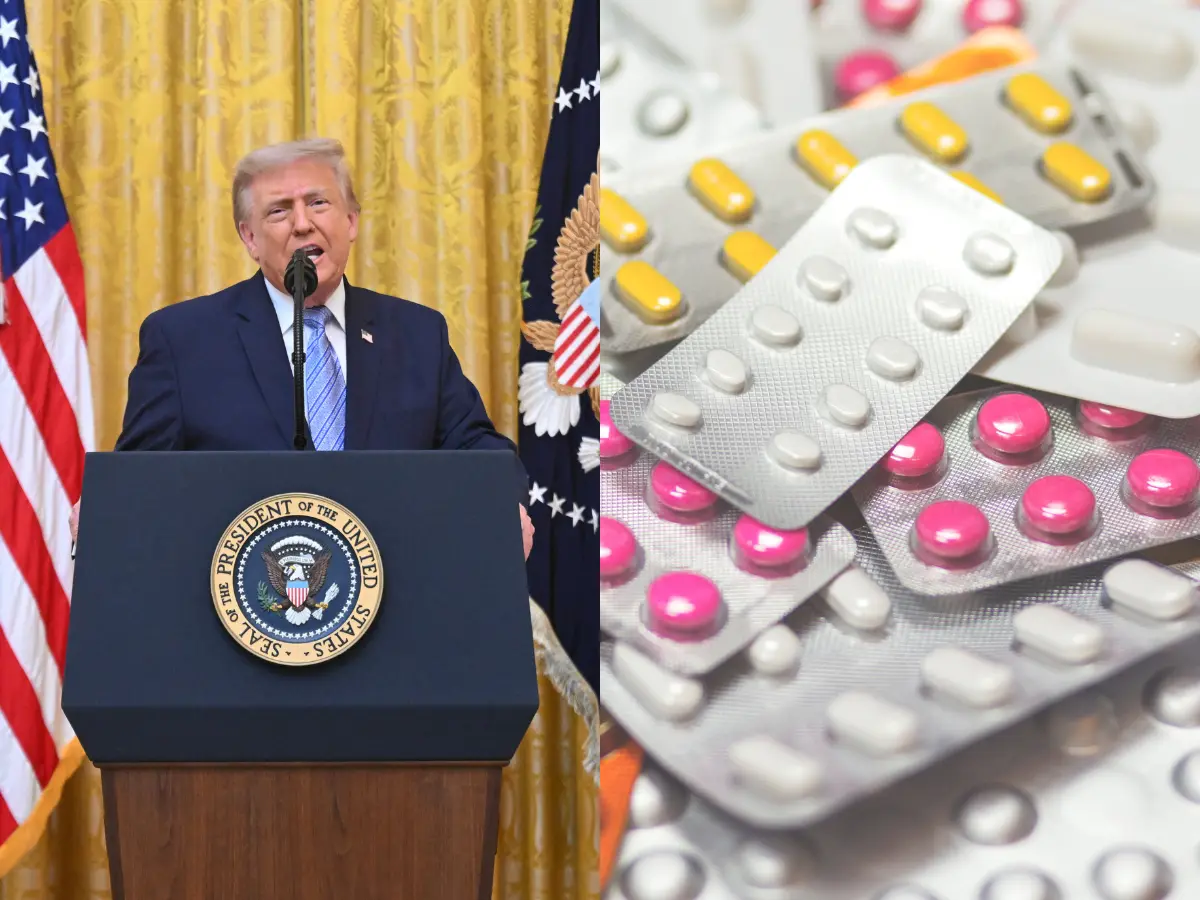&imwidth=800&imheight=600&format=webp&quality=medium)
Generic drugmakers face a difficult business environment
The proposed tariff regime could pose a greater challenge to generic drug manufacturers than to companies producing patented or innovative medicines.
Generic drugs are typically sold at lower prices and are manufactured through highly cost-efficient international supply chains. Companies often rely on production facilities in countries where manufacturing costs are comparatively lower, allowing them to supply affordable medicines to large markets.
A sudden 100% or 200% tariff could therefore significantly disrupt the economics of these products. Manufacturers may find it difficult to pass the entire additional cost on to consumers without affecting demand or access to medicines.
The alternative—moving production to the United States—would also require substantial investment. Building new pharmaceutical facilities, obtaining regulatory approvals, establishing supply chains and developing a skilled workforce can take years and involve considerable financial commitments.
For companies operating on relatively narrow margins, such investments may be difficult to justify, particularly for medicines that generate lower returns.
Possible impact on medicine prices and supply
One of the major concerns surrounding the proposed policy is its potential effect on the cost and availability of medicines in the US.
If imported generic drugs become significantly more expensive because of tariffs, pharmaceutical companies could increase prices to compensate for higher import costs. In some cases, manufacturers may decide to reduce exports or withdraw certain low-margin products from the American market altogether.
This could create additional pressure on the US healthcare system, particularly because generic medicines play a crucial role in keeping prescription costs affordable.
The extent of the impact, however, will depend on how the policy is implemented and whether pharmaceutical companies receive exemptions, incentives or additional time to establish domestic manufacturing capacity.
India’s pharmaceutical industry awaits clarity
It is not yet clear whether Indian pharmaceutical manufacturers will receive exemptions or preferential treatment under the proposed tariff framework.
India and the US have been engaged in broader trade discussions, including negotiations concerning pharmaceutical products and active pharmaceutical ingredients. The outcome of those discussions could play an important role in determining how the new tariff policy affects Indian exporters.
Any agreement that provides exemptions or reduces the proposed duties could limit the impact on India’s pharmaceutical sector. On the other hand, if Indian manufacturers are subjected to the full tariff structure, the industry could face substantial pressure to increase investment in US-based production.
For now, the precise details of the policy, including its scope and implementation mechanism, remain important areas of uncertainty for exporters.
Trump’s wider push to bring drug manufacturing back to the US
The generic drug tariff proposal is part of a broader US strategy aimed at encouraging domestic pharmaceutical production.
The Trump administration has argued that America’s reliance on overseas manufacturing creates vulnerabilities in the supply of essential medicines. Concerns about supply-chain disruptions, geopolitical tensions and national security have strengthened calls for greater domestic production.
The administration has also taken steps to examine the national security implications of pharmaceutical imports and has encouraged drugmakers to increase investment in American manufacturing.
Several pharmaceutical companies involved in patented and branded medicines have already announced investments in US facilities. The proposed tariff roadmap now places similar pressure on generic drug manufacturers to consider expanding their American production capabilities.
What it could mean for India
For India, the proposed policy presents both a challenge and a potential opportunity.
In the short term, the two-year zero-tariff period could provide Indian pharmaceutical companies with time to assess the policy and prepare strategies. Companies could explore expanding US manufacturing, forming partnerships with American firms or restructuring their supply chains.
In the longer term, however, the proposed 100% and 200% tariffs could make exports from India substantially less competitive if no exemptions are granted.
The situation could also encourage Indian drugmakers to diversify their export markets and reduce excessive dependence on the US. At the same time, maintaining access to the American market will remain a priority because of its size and importance to India’s pharmaceutical industry.
The coming months are therefore likely to be crucial for India’s drug manufacturers as governments and industry stakeholders assess the details of the proposed tariff framework.
For the world’s major generic drug supplier, the issue is not simply about tariffs. It is also about the future structure of global pharmaceutical manufacturing, the cost of medicines and the balance between domestic production and international supply chains.