
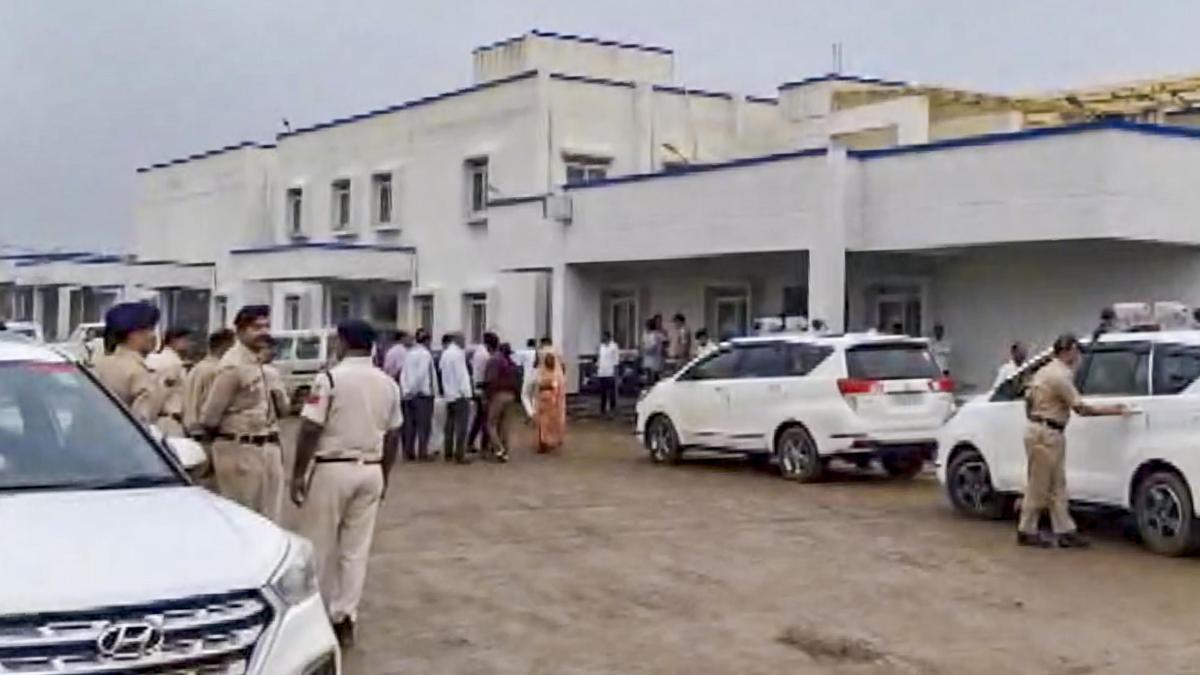
The death toll in the suspected toxic liquor tragedy in Madhya Pradesh’s Sagar district has continued to rise, deepening concerns over the circulation of spurious alcohol and exposing serious questions about the illegal liquor supply chain operating in the region.
The latest deaths were reported after victims who had allegedly consumed illicit liquor in villages under Banda tehsil developed severe health complications and were admitted to hospitals. The incident has triggered an extensive administrative and police response, with authorities investigating the source of the suspected poisonous liquor and attempting to identify everyone involved in its manufacture, transportation and distribution.
According to officials, several people fell ill after consuming liquor over the weekend. Many victims experienced symptoms including vomiting, nausea and severe weakness before their conditions deteriorated. Some required treatment at higher medical facilities as the number of affected people increased.
The administration has maintained that the exact cause of death will be established through medical examinations and forensic testing. Post-mortem examinations have indicated suspected poisoning, while viscera samples have been sent for laboratory analysis to determine the substance responsible.
Investigation into suspected spurious liquor
The tragedy has prompted police and district authorities to intensify their investigation into the suspected distribution of counterfeit or illegally manufactured liquor.
Investigators are examining where the liquor was produced, how it entered the local market and who supplied it to consumers. Authorities are also looking into whether the alcohol was being sold using packaging designed to resemble legitimate brands.
The investigation has reportedly pointed towards a possible supply connection extending beyond Madhya Pradesh, raising concerns that the incident could be linked to a wider organised network rather than an isolated case of illicit liquor production.
Police have registered cases and launched a crackdown against suspected bootleggers and people allegedly involved in the supply chain. Several arrests have been reported as investigators work to establish the full network behind the distribution of the suspected toxic liquor.
Hospitals under pressure as victims receive treatment
The incident has placed considerable pressure on healthcare facilities in and around Sagar. A number of people who consumed the suspected liquor have been admitted for medical treatment, with some reported to be in critical condition.
Medical teams have been deployed to affected areas to identify people who may have consumed the liquor but have not yet sought treatment. Officials have also urged residents who develop symptoms after drinking alcohol to seek immediate medical assistance rather than waiting for their condition to worsen.
The response is particularly important in suspected poisoning cases because symptoms can initially appear relatively mild before progressing rapidly. Early identification and treatment can therefore be critical in preventing further fatalities.
Authorities step up checks in affected villages
Following the deaths, officials have intensified monitoring in villages where suspected victims were identified. Health teams have conducted screenings and collected information from residents to determine whether additional people may have been exposed.
Authorities have also taken action against liquor outlets and other locations suspected of being connected to the supply of the illicit alcohol. Such measures are aimed at preventing further distribution while investigators trace the origin of the seized liquor.
The administration is also examining whether regulatory or enforcement failures allowed counterfeit alcohol to reach consumers.
Questions over illegal liquor trade
The Sagar tragedy has once again highlighted the continuing danger posed by unregulated alcohol markets in parts of India. Illicit liquor can contain toxic substances or chemicals that are not intended for human consumption, potentially causing severe poisoning and death.
Counterfeit liquor can also be particularly difficult for consumers to identify when it is sold in bottles or packaging designed to appear authentic. This makes enforcement against manufacturers, distributors and retailers a major challenge for authorities.
The suspected involvement of an inter-state supply chain has added another layer to the investigation. If confirmed, agencies may need to coordinate across state borders to identify the source of the liquor and dismantle the network responsible for its distribution.
Government faces scrutiny
The growing death toll has also intensified political and public scrutiny of the Madhya Pradesh government. Opposition leaders have demanded accountability and questioned whether adequate action was taken to prevent the sale of illicit liquor.
The government, meanwhile, has ordered strict action against those found responsible and directed officials to investigate the circumstances surrounding the deaths.
The administration is also expected to examine the conduct of officials responsible for monitoring liquor sales and enforcement in the affected areas. Any evidence of negligence or failure to act on earlier warnings could lead to further disciplinary action.
Death toll figures remain subject to verification
As the investigation continues, different figures regarding the number of deaths have emerged from various sources. Authorities have stressed the importance of relying on officially verified medical and administrative records while post-mortem examinations and laboratory tests are completed.
The discrepancy in reported figures has added to concerns surrounding the scale of the tragedy. Officials are continuing to verify the identities of victims and determine whether additional deaths or illnesses are connected to the suspected liquor consumption.
The final assessment is expected to become clearer once forensic examinations, medical reports and the ongoing investigation are completed.
A wider public safety concern
The Sagar incident is more than an isolated liquor-related tragedy. It highlights the broader public safety risks associated with the illegal production and distribution of alcohol.
For authorities, the immediate priority is to prevent additional deaths, provide medical treatment to affected people and identify the source of the suspected toxic liquor. The longer-term challenge will be to disrupt the illegal supply network and strengthen enforcement mechanisms to prevent similar incidents.
As police continue questioning suspects and examining seized liquor, investigators are expected to focus on establishing the complete chain—from manufacturing and packaging to transportation and retail sale.
The tragedy has left families mourning and communities anxious, while the investigation continues to determine how suspected toxic liquor reached consumers and whether lapses in enforcement contributed to the deaths.