
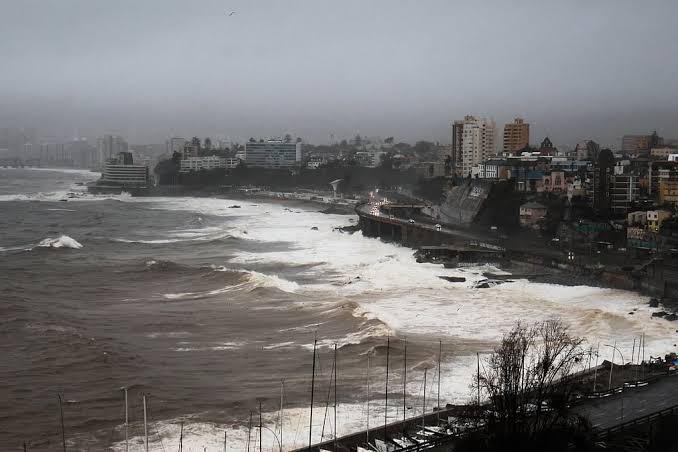
Chile has declared a state of emergency in parts of the country after intense and prolonged rainfall triggered widespread flooding, landslides and severe damage, leaving at least 10 people dead and affecting more than 1,000 homes.
The extreme weather has created a major humanitarian and emergency response challenge, with authorities working to assess the full extent of the destruction and provide assistance to affected communities. Heavy rain has disrupted daily life in several areas, while rising water levels and unstable ground have increased risks for residents and emergency personnel.
Officials have been coordinating rescue and relief operations as communities struggle to recover from the impact of the severe weather. The emergency declaration is expected to help authorities mobilise resources more quickly, strengthen coordination between government agencies and provide immediate support to people whose homes and livelihoods have been affected.
The deaths reported in connection with the rainfall have heightened concerns over the scale of the disaster. Emergency teams have been deployed to areas facing the worst conditions, with authorities focusing on rescue efforts, evacuation where necessary and ensuring that essential services remain available.
More than 1,000 homes have reportedly suffered damage, highlighting the widespread impact of the storms. While some properties may have sustained structural damage, others have been affected by flooding and mud, leaving families in need of temporary shelter and basic assistance.
The heavy rains have also caused disruption to transportation and local infrastructure. Flooded roads and difficult travel conditions have complicated access to some affected areas, making it harder for emergency workers to reach communities in need. Authorities have urged residents to remain cautious and follow official instructions, particularly in locations vulnerable to flooding and landslides.
The latest disaster comes as Chile continues to face the challenges posed by increasingly unpredictable weather patterns. Severe rainfall can quickly overwhelm drainage systems and expose vulnerabilities in infrastructure, particularly in areas where communities are located near rivers, hillsides or other flood-prone zones.
The emergency response is now focused on protecting lives, assisting displaced families and preventing further loss as weather conditions remain a concern. Rescue personnel and local authorities are continuing to monitor affected regions while assessing damage to homes, roads and public infrastructure.
The government is also expected to evaluate the needs of the worst-hit communities as recovery efforts begin. Beyond immediate rescue and relief operations, the authorities will face the longer-term task of repairing damaged infrastructure and helping residents rebuild their homes and livelihoods.
The disaster has once again underscored the risks posed by extreme weather events and the importance of effective emergency preparedness. For communities already affected by the storms, the immediate priority remains securing safe shelter, restoring access to essential services and supporting families who have lost homes or property.
As authorities continue their assessment, the number of affected people and the extent of the damage could change. Emergency agencies are expected to maintain operations in the coming days, while officials work to ensure that relief reaches those most severely impacted by the torrential rains.