
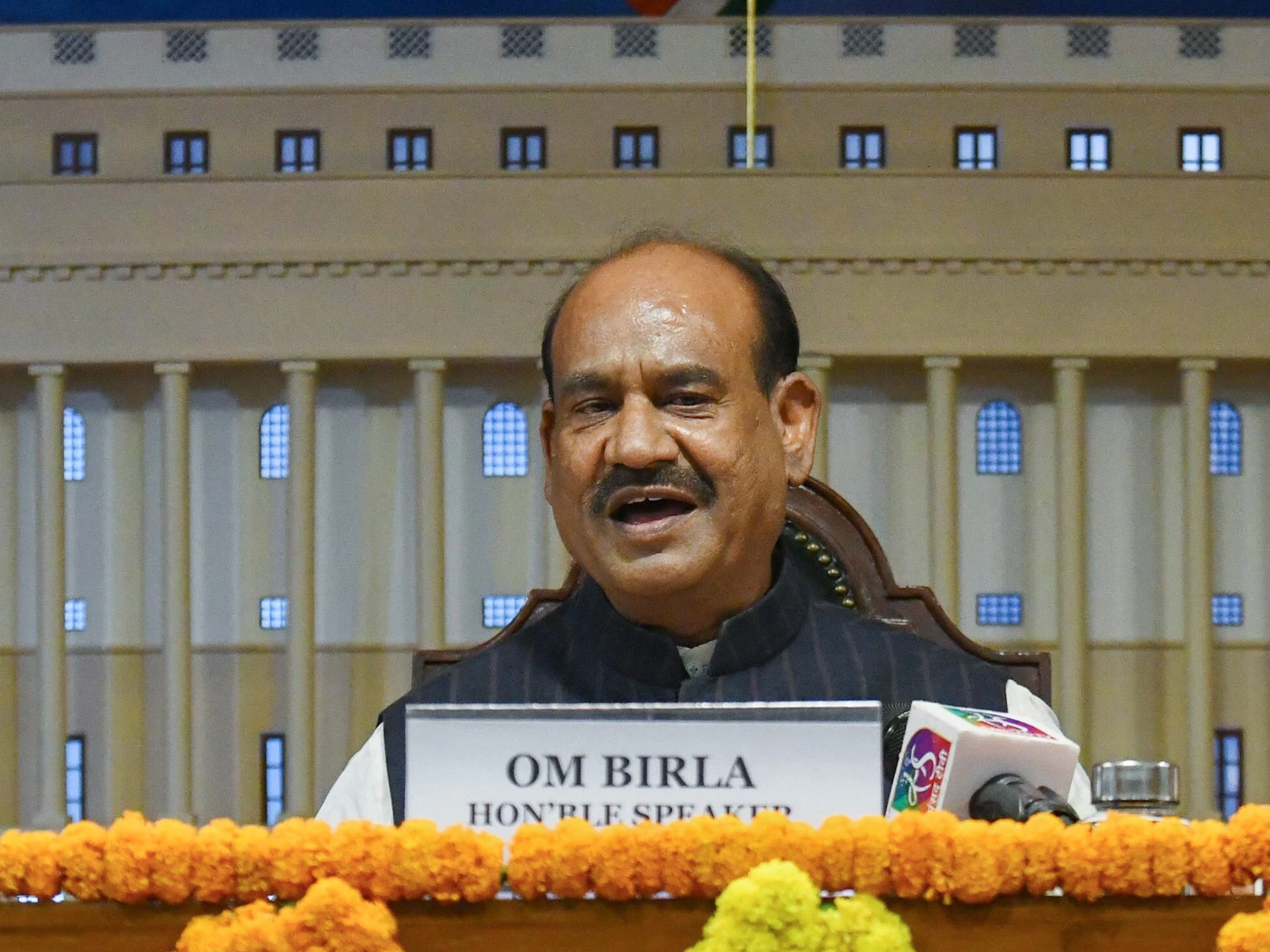
The political atmosphere in New Delhi is expected to intensify as the Lok Sabha prepares for its upcoming Monsoon Session, with the Speaker likely to take key decisions on a series of pending merger-related disputes involving Members of Parliament. The outcome of these decisions could influence the strength and recognition of parliamentary groups, while also shaping the dynamics between the ruling alliance and the opposition.
The disputes revolve around competing claims concerning mergers and factional alignments within opposition parties. These cases have remained under examination for several months and are now expected to reach a decisive stage before Parliament reconvenes. Political observers believe the Speaker’s rulings may have far-reaching implications for party recognition, legislative strategy, and the functioning of the House during one of the most politically significant sessions of the year.
Decisions Expected Before Parliament Reconvenes
According to sources familiar with parliamentary proceedings, the Speaker’s office has been reviewing legal submissions, party documents, and constitutional provisions governing party mergers and defections. With the Monsoon Session approaching, there is increasing expectation that the pending matters will be resolved to avoid procedural uncertainty once the House begins functioning.
The cases primarily concern rival claims over whether certain groups of MPs have legally merged with other political formations or continue to remain members of their original parties. Such decisions require careful interpretation of parliamentary rules and constitutional safeguards designed to prevent political instability while protecting democratic representation.
Anti-Defection Law at the Centre of the Debate
The pending matters are closely linked to the provisions of the Tenth Schedule of the Constitution, commonly known as the anti-defection law. This framework governs situations where legislators switch political allegiance and lays down the conditions under which mergers may be considered legally valid.
The Speaker’s role in such cases is crucial, as the office has the authority to determine whether the requirements for a legitimate merger have been fulfilled. These decisions often involve examining numerical strength, documentary evidence, and procedural compliance before arriving at a conclusion.
Legal experts note that such rulings frequently attract judicial scrutiny and political debate because they can directly influence the composition of Parliament and the balance of power among political parties. 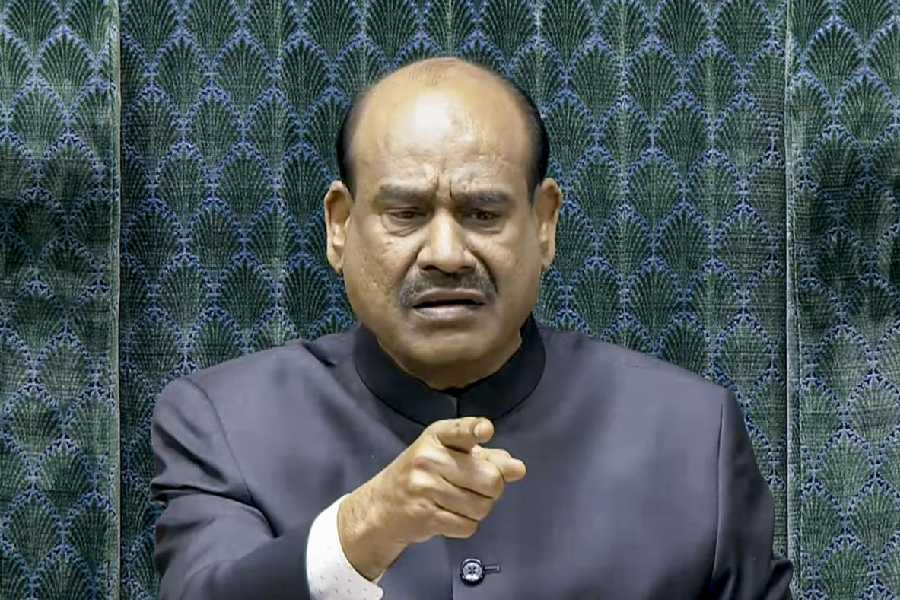
Opposition Closely Watching the Outcome
Opposition parties are closely monitoring the developments, viewing the Speaker’s decisions as politically significant ahead of an important parliamentary session expected to witness intense debates on governance, economic issues, national security, and legislative reforms.
Any recognition of merger claims could affect parliamentary seating arrangements, speaking opportunities, committee representation, and official party status within the House. Consequently, both the concerned parties and rival political groups have attached considerable importance to the outcome.
Political leaders have maintained that the decisions should strictly adhere to constitutional principles and parliamentary conventions, emphasizing the need for transparency and impartiality in resolving such disputes.
Parliamentary Functioning Could Be Affected
The timing of the expected decisions is particularly significant because the Monsoon Session is likely to feature several major legislative proposals alongside discussions on pressing national issues. Clearing pending membership and merger disputes before the session begins could help prevent procedural complications during debates and voting.
Parliamentary experts believe that resolving these matters in advance would provide greater clarity regarding party positions, floor coordination, and official recognition of parliamentary groups, enabling smoother conduct of House business.
Constitutional Responsibility of the Speaker
The office of the Speaker occupies a unique constitutional position that requires balancing legal interpretation with procedural fairness. Although the Speaker is elected from among Members of Parliament, decisions relating to disqualification and merger claims are expected to be guided by constitutional provisions rather than political considerations.
Past rulings on similar issues have often shaped important constitutional precedents and influenced the interpretation of the anti-defection law. As a result, every major decision involving party mergers attracts widespread political and legal attention.
Political Significance Beyond Parliament
Beyond the immediate impact on parliamentary proceedings, the Speaker’s rulings could carry broader political consequences. The decisions may influence party organisation, opposition unity, and future electoral strategies, particularly as political parties prepare for upcoming state elections and national political contests.
The developments are also expected to contribute to the ongoing national debate over internal party democracy, legislative accountability, and the effectiveness of existing anti-defection provisions.
With Parliament set to reconvene shortly, all eyes remain on the Speaker’s office as political parties await decisions that could reshape the parliamentary landscape and set the tone for a crucial Monsoon Session.