
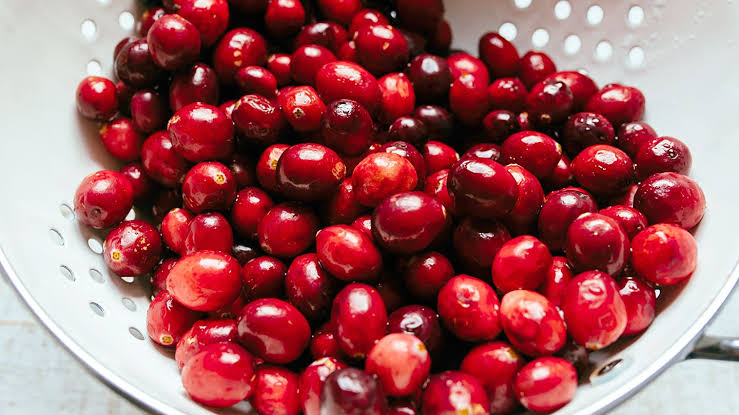
As interest in gut health continues to grow worldwide, nutrition experts and healthcare professionals are increasingly examining how everyday foods influence the digestive system. Among the foods gaining attention is the cranberry—a small, tart berry widely recognized for its association with urinary tract health. Recent discussions among gastroenterologists suggest that cranberries may also play a valuable role in supporting a healthy gut microbiome.
While cranberries contain a range of nutrients and bioactive compounds that may benefit digestive health, experts caution that they are not a miracle food. Understanding both the advantages and potential risks of consuming cranberries is essential for individuals looking to improve their overall well-being through dietary choices.
Why Gut Health Matters
The human digestive tract contains trillions of microorganisms collectively known as the gut microbiome. These bacteria, fungi, and other microbes influence digestion, nutrient absorption, immune function, and even aspects of mental health.
Maintaining a balanced gut microbiome is increasingly linked to reduced inflammation, improved digestion, stronger immunity, and better long-term health outcomes. Diet remains one of the most important factors affecting the composition and function of gut bacteria.
According to gastroenterology experts, certain foods rich in fiber, antioxidants, and plant compounds can encourage the growth of beneficial microbes while helping to reduce harmful bacterial activity. Cranberries fall into this category due to their unique nutritional profile.
How Cranberries Support Gut Health
Rich Source of Dietary Fiber
One of the primary reasons cranberries may contribute to digestive wellness is their fiber content. Dietary fiber serves as food for beneficial gut bacteria, helping them thrive and multiply.
As gut microbes ferment fiber, they produce short-chain fatty acids, compounds known to support intestinal health, strengthen the gut lining, and help regulate inflammation throughout the body.
Regular fiber intake is also associated with improved bowel movements and reduced risk of constipation, making cranberries a useful addition to a balanced diet.
Packed With Polyphenols
Cranberries are particularly rich in polyphenols, naturally occurring plant compounds known for their antioxidant properties. These compounds help protect cells from oxidative stress and may positively influence the balance of microorganisms living in the gut.
Research suggests that cranberry polyphenols can encourage the growth of beneficial bacteria while limiting the proliferation of certain harmful microbes. This selective effect may contribute to a healthier and more diverse microbiome.
Anti-Inflammatory Benefits
Chronic inflammation in the digestive tract can negatively affect gut function and overall health. The antioxidants present in cranberries may help reduce inflammatory processes within the body.
By supporting a healthier intestinal environment, cranberries could indirectly contribute to improved digestive comfort and better gastrointestinal health over time.
Potential Role in Microbiome Diversity
A diverse gut microbiome is generally considered a marker of good digestive health. Experts note that the bioactive compounds found in cranberries may help support microbial diversity, which is associated with stronger immune responses and better resilience against certain diseases.
Additional Nutritional Benefits of Cranberries
Beyond gut health, cranberries offer several other nutritional advantages:
- Rich in vitamin C, which supports immune function.
- Contain antioxidants that help combat oxidative stress.
- Provide manganese, an essential mineral involved in metabolism and bone health.
- Naturally low in calories when consumed without added sugars.
- May support heart health through beneficial plant compounds.
These combined benefits make cranberries a nutrient-dense food suitable for many healthy eating plans. 
Potential Risks and Side Effects
Despite their health benefits, gastroenterologists emphasize that cranberries should be consumed in moderation.
Digestive Discomfort
Eating large quantities of cranberries may cause digestive symptoms in some individuals, including:
- Bloating
- Stomach discomfort
- Diarrhea
- Increased bowel activity
People with sensitive digestive systems may be particularly susceptible to these effects.
Added Sugar Concerns
Many commercially available cranberry products contain significant amounts of added sugar to offset the fruit’s naturally tart taste.
Sweetened cranberry juices, dried cranberries, and processed cranberry snacks may provide excess sugar, potentially reducing some of the health benefits associated with the fruit.
Experts recommend checking nutrition labels carefully and choosing products with minimal added sugar whenever possible.
Kidney Stone Considerations
Individuals with a history of kidney stones should consult a healthcare professional before significantly increasing cranberry consumption. Cranberries contain compounds that may contribute to oxalate levels, which can be a concern for certain people prone to specific types of kidney stones.
Possible Medication Interactions
Healthcare professionals also advise caution for individuals taking certain medications, particularly blood-thinning drugs. In some cases, cranberry products may interact with medications, making medical guidance important before major dietary changes.
Best Ways to Add Cranberries to Your Diet
Nutrition experts suggest several healthy ways to incorporate cranberries into everyday meals:
- Add fresh or frozen cranberries to smoothies.
- Mix unsweetened dried cranberries into oatmeal.
- Include cranberries in yogurt bowls.
- Use them in salads for added texture and flavor.
- Blend cranberries into homemade sauces and dressings.
- Pair them with nuts and seeds for a nutrient-rich snack.
Choosing whole cranberries or minimally processed products can help maximize nutritional benefits while limiting unnecessary sugar intake.
Expert Takeaway
Gastroenterologists emphasize that cranberries can be a valuable component of a gut-friendly diet due to their fiber, antioxidant content, and beneficial plant compounds. Their potential ability to support healthy gut bacteria, reduce inflammation, and contribute to microbiome diversity makes them an appealing nutritional choice.
However, experts also stress that no single food can guarantee optimal digestive health. A balanced diet rich in fruits, vegetables, whole grains, legumes, and other fiber-containing foods remains the most effective strategy for maintaining a healthy gut.
For most people, moderate cranberry consumption can be a nutritious addition to an overall healthy lifestyle, provided it is consumed in forms that minimize added sugars and fit within individual health needs.