
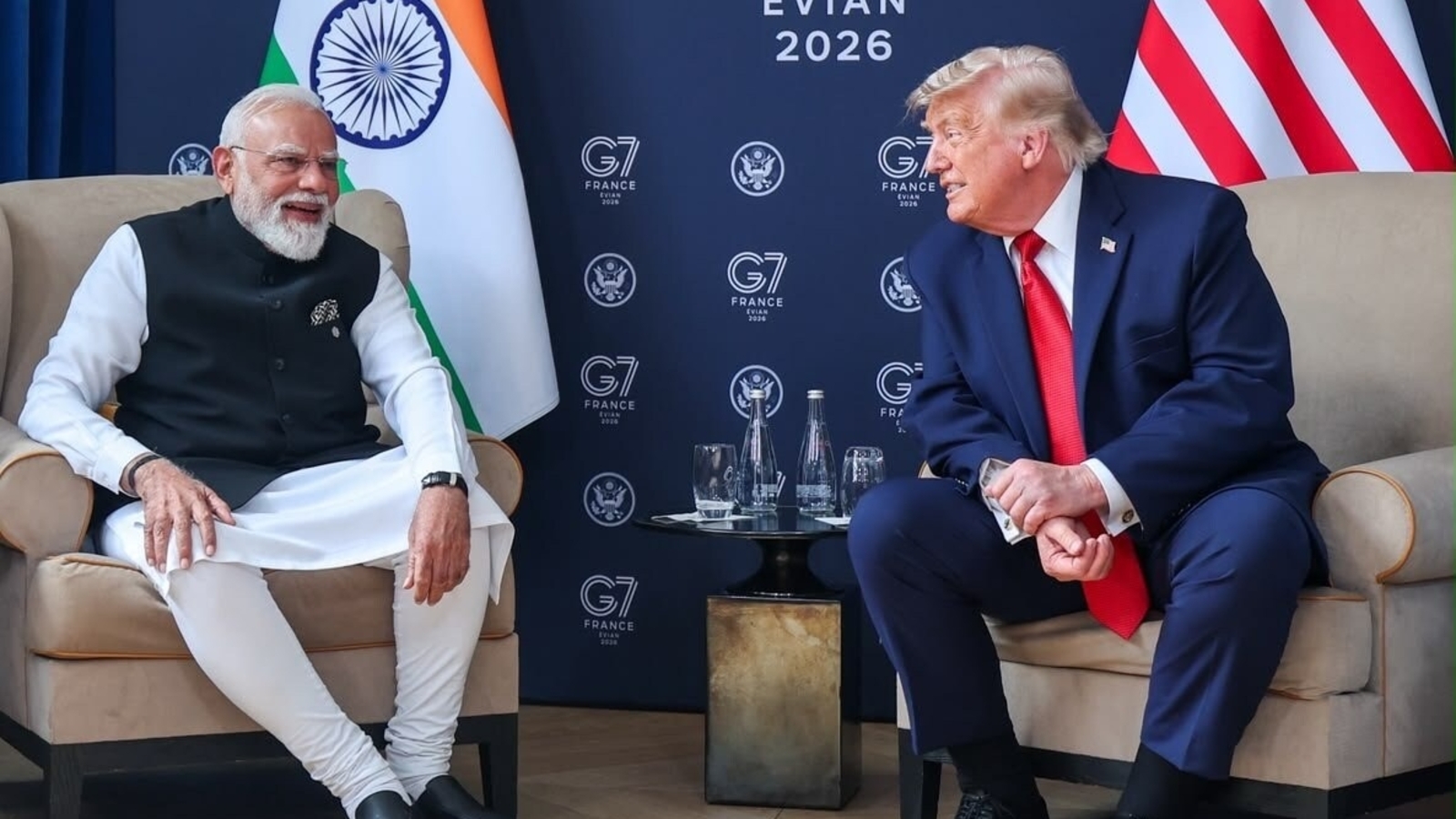
India and the United States are moving closer toward concluding a long-awaited bilateral trade agreement, with Prime Minister Narendra Modi and U.S. President Donald Trump expressing a shared desire to expedite negotiations and secure an early outcome. The development reflects the growing strategic and economic significance of the relationship between the world’s largest and fifth-largest economies.
Officials familiar with the discussions indicated that both leaders remain committed to deepening economic cooperation and addressing outstanding trade issues that have delayed the finalization of the agreement. The renewed momentum comes amid a broader effort by both nations to strengthen commercial ties, diversify supply chains, and expand investment opportunities.
Leadership-Level Push for Trade Progress
The trade negotiations have received direct backing from the highest political levels, with both Prime Minister Modi and President Trump emphasizing the importance of reaching a mutually beneficial arrangement. Their involvement has injected fresh urgency into discussions that cover a wide range of sectors, including manufacturing, agriculture, technology, services, and market access.
Government representatives from both sides have been engaged in continuous dialogue aimed at narrowing differences and identifying areas of convergence. Officials believe that a successful agreement could unlock substantial economic benefits and create a stronger framework for future cooperation.
The leadership-driven approach underscores the strategic value both countries attach to their economic partnership. As geopolitical and economic dynamics continue to evolve globally, India and the United States are increasingly viewing each other as key partners in promoting growth, innovation, and resilient supply chains.
Expanding Bilateral Trade Relations
Trade between India and the United States has grown significantly over the past decade, making the U.S. one of India’s largest trading partners. Bilateral commerce spans a broad spectrum of industries, including information technology, pharmaceuticals, engineering goods, energy, and services.
A comprehensive trade agreement is expected to further enhance market access, reduce barriers to commerce, and encourage greater cross-border investment. Businesses in both countries have welcomed the prospect of improved trade conditions, arguing that a stable and predictable framework would boost confidence and facilitate long-term planning.
Experts note that strengthening economic ties could also support employment generation, technological collaboration, and innovation-driven growth in both nations. 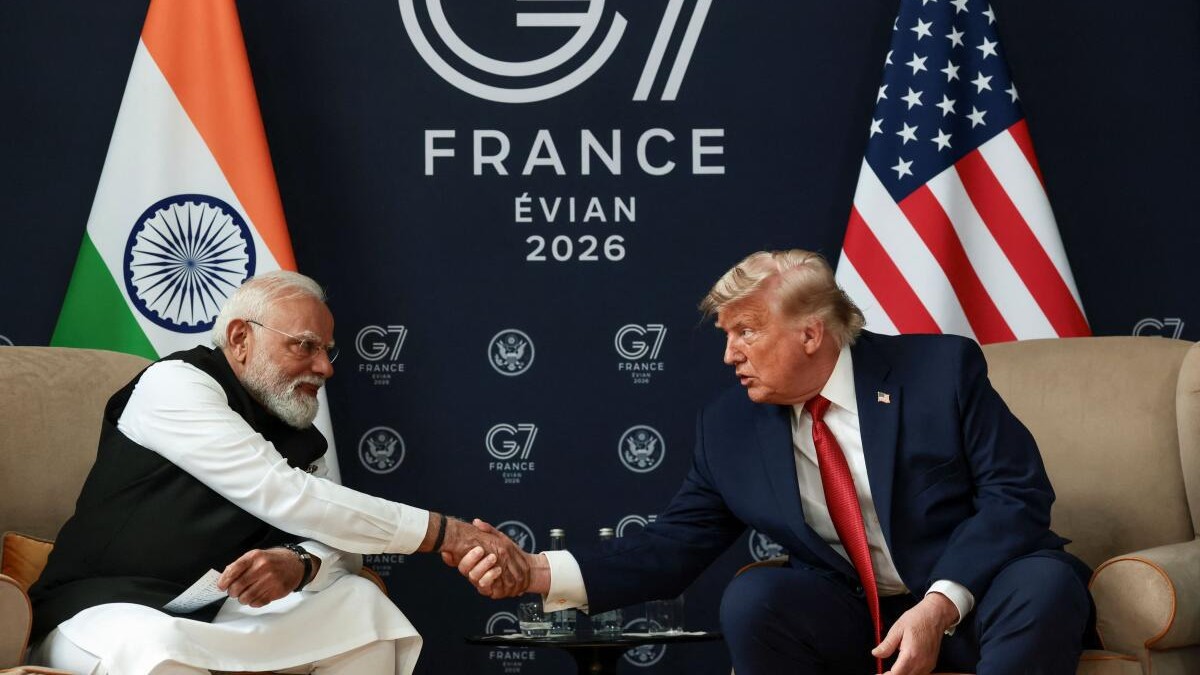
Addressing Key Negotiation Challenges
Despite the positive momentum, negotiators continue to work through several complex issues. Discussions have focused on tariffs, regulatory standards, digital trade policies, agricultural market access, and protection of intellectual property rights.
Both governments have sought to balance domestic economic interests with the broader objective of expanding trade. Officials involved in the talks remain optimistic that pragmatic solutions can be reached through sustained engagement and political support.
The negotiations are also taking place against the backdrop of changing global trade patterns, prompting countries to reassess partnerships and seek more reliable economic relationships.
Strategic Importance Beyond Commerce
Analysts believe the proposed agreement extends beyond purely economic considerations. A stronger trade partnership is viewed as a critical pillar of the broader India-US strategic relationship, which encompasses defense cooperation, technology collaboration, energy security, and regional stability.
By deepening commercial engagement, both countries aim to reinforce their long-term partnership and create new avenues for cooperation in emerging sectors such as artificial intelligence, advanced manufacturing, clean energy, and critical technologies.
The trade discussions are therefore seen not only as an economic initiative but also as a reflection of shared strategic interests in an increasingly interconnected global environment.
Outlook for the Agreement
With direct support from Prime Minister Modi and President Trump, expectations are rising that negotiators will be able to accelerate progress and move closer to a final agreement. While technical discussions remain ongoing, officials on both sides have signaled a willingness to work constructively toward a mutually acceptable outcome.
If concluded successfully, the agreement could mark a significant milestone in India-US relations, providing a stronger foundation for trade, investment, and economic cooperation in the years ahead. The deal would also send a positive signal to businesses and investors seeking greater certainty and opportunities in two of the world’s most influential economies.
As negotiations continue, stakeholders across industries will be closely monitoring developments, recognizing the potential of the agreement to reshape economic engagement between India and the United States and contribute to sustained growth on both sides.