
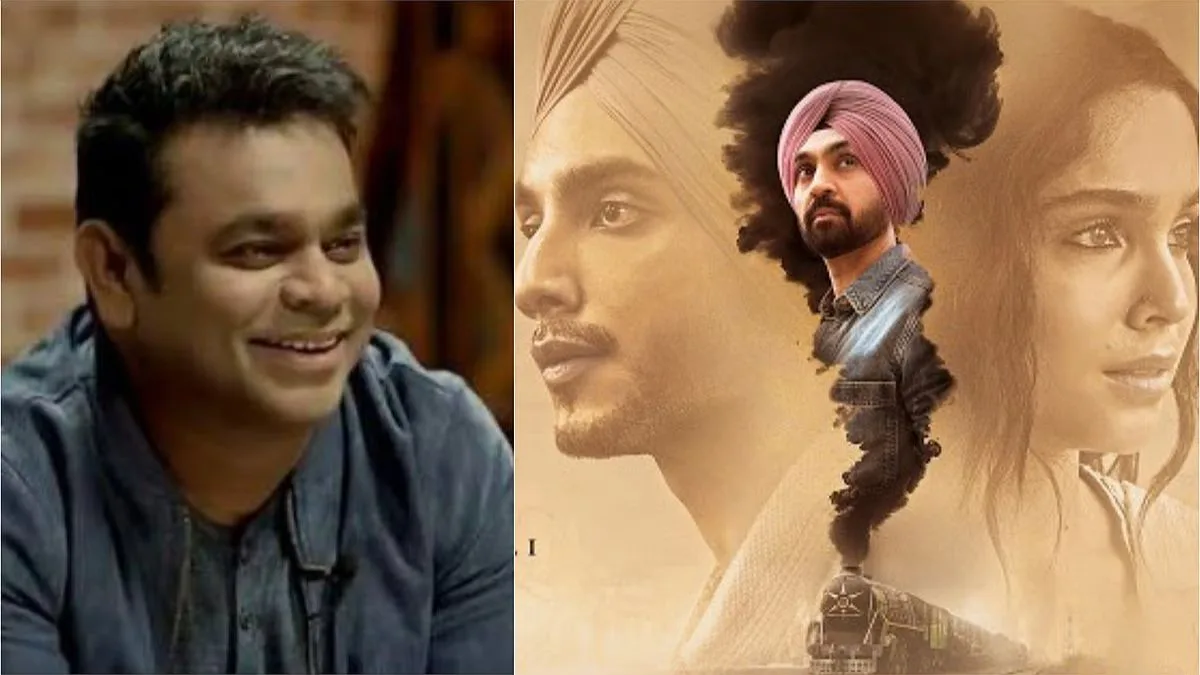
Oscar-winning composer AR Rahman has spoken out in support of filmmaker Imtiaz Ali and the song Main Vaapas Aaunga after a section of social media users criticized the track and branded it “anti-national.” Rahman’s response has reignited discussions about artistic freedom, creative interpretation, and the role of cinema in reflecting complex human emotions and experiences.
The controversy emerged shortly after the release of promotional material featuring the song, which is associated with an upcoming film starring actor-singer Diljit Dosanjh and actress Sharvari. While many viewers praised the song’s emotional depth and lyrical expression, others questioned its message, leading to a wave of criticism online. Some social media posts alleged that the song conveyed sentiments that were not aligned with national interests, prompting a broader debate across digital platforms.
Addressing the criticism, AR Rahman firmly rejected the characterization of the song as anti-national. The celebrated musician emphasized that the composition was created with artistic sincerity and should be understood within the context of the film’s narrative. According to Rahman, music and storytelling often explore themes of identity, longing, belonging, and personal journeys, which can sometimes be misunderstood when viewed in isolation.
Rahman highlighted that art should not be reduced to simplistic political interpretations. He suggested that creative works frequently invite multiple perspectives and emotional responses, and that audiences should engage with them in their complete context before drawing conclusions. His remarks underscored the importance of allowing artists the freedom to express nuanced ideas without immediate judgment or labeling.
The composer also expressed confidence in filmmaker Imtiaz Ali’s vision and storytelling approach. Known for creating emotionally layered narratives that delve into personal transformation and self-discovery, Ali has built a reputation for exploring complex human experiences through cinema. Rahman’s comments reflected his belief that the filmmaker’s intentions were rooted in storytelling rather than political messaging. 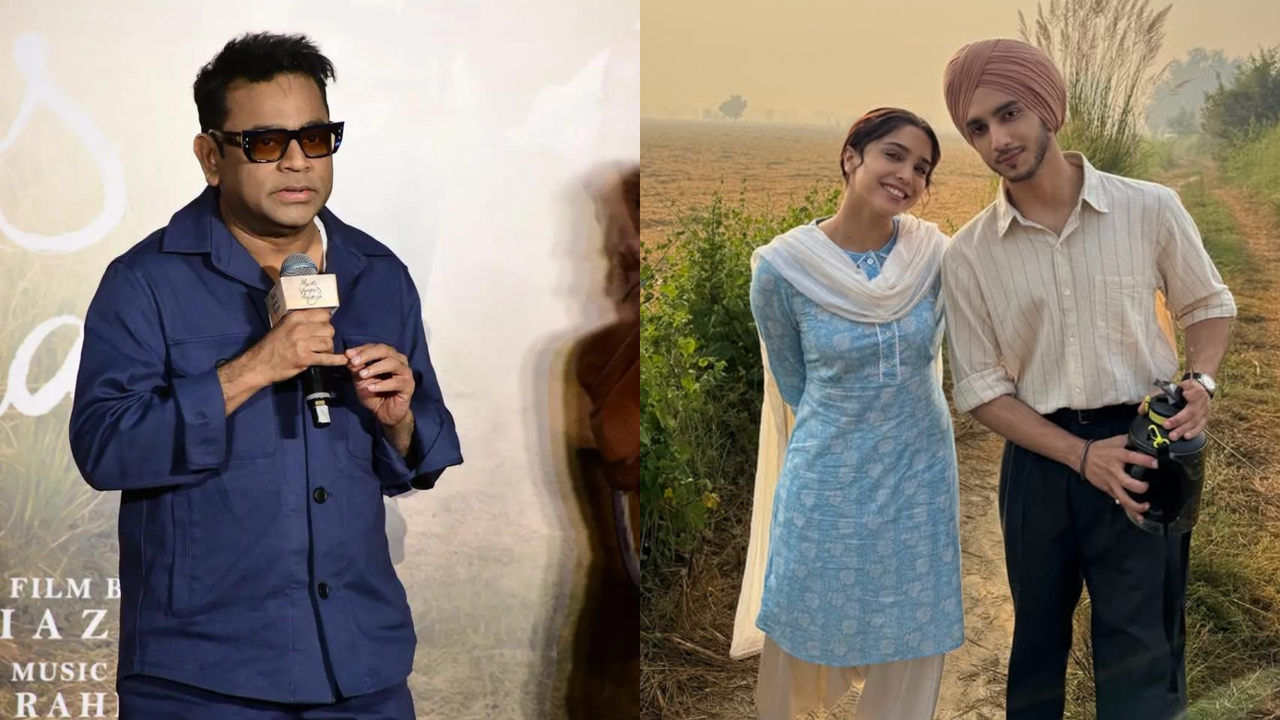
The song at the center of the debate, Main Vaapas Aaunga, has drawn attention for its evocative lyrics and reflective tone. Supporters argue that the track speaks to themes of return, hope, and emotional connection rather than any political agenda. They contend that artistic works often resonate differently with different audiences and that interpretation can vary based on individual perspectives and experiences.
The online debate has once again highlighted the growing influence of social media in shaping public conversations around films, music, and cultural expression. In recent years, several entertainment projects have found themselves at the center of digital controversies, with snippets, trailers, or songs often becoming subjects of intense scrutiny even before audiences have had the opportunity to experience the complete work.
Industry observers note that such incidents reveal the challenges artists face in the digital age, where creative content can quickly become the focus of polarized discussions. While social media provides a platform for public engagement and feedback, it can also amplify misunderstandings when creative works are interpreted outside their intended context.
Rahman’s intervention has been welcomed by many within the film and music communities, who view his comments as a reminder of the importance of artistic independence. Supporters argue that cinema and music have long served as spaces for exploring diverse emotions and ideas, and that creative expression should be evaluated on its artistic merits rather than assumptions about intent.
As discussions continue online, the controversy surrounding Main Vaapas Aaunga has brought renewed attention to the film and its creative team. Whether viewed as a cultural debate or a reflection of the evolving relationship between art and public discourse, the episode has once again demonstrated how music and cinema can spark conversations that extend far beyond the screen.
For now, AR Rahman’s defense of the song and its creators stands as a strong endorsement of artistic interpretation and creative freedom, reinforcing the idea that works of art are often most meaningful when audiences engage with them in their full narrative and emotional context.