
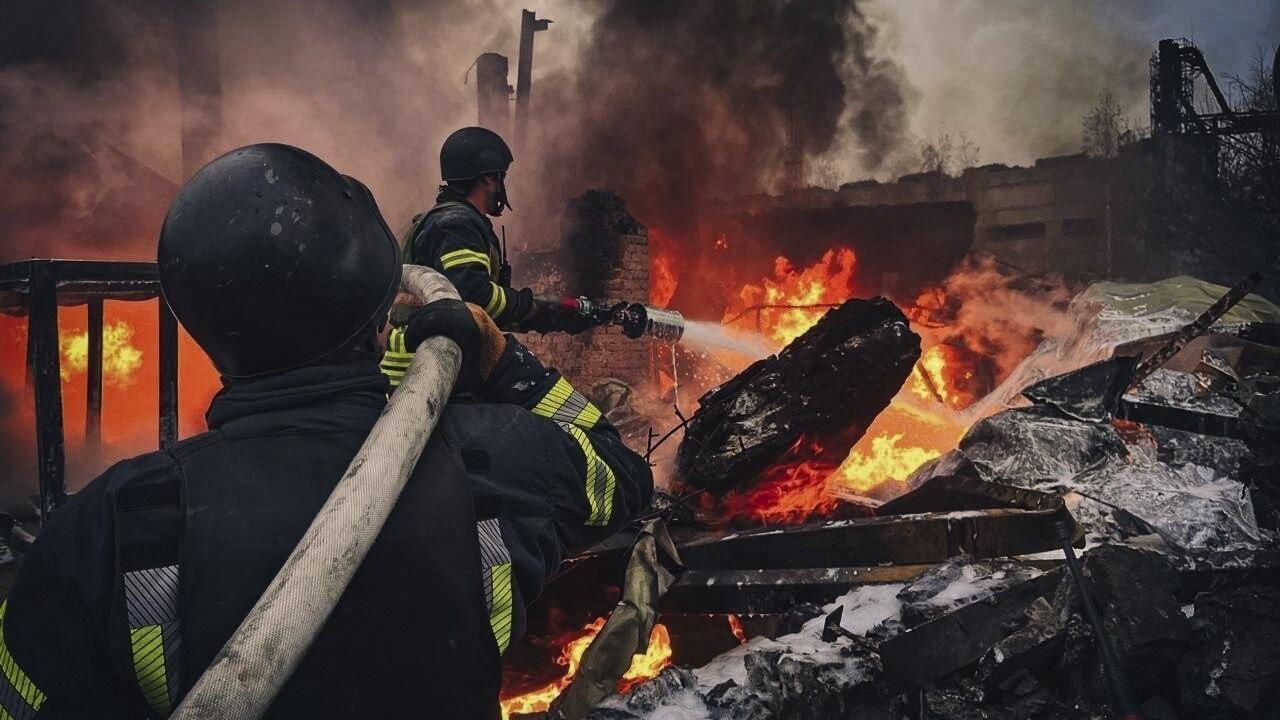
Ukraine launched another long-range attack targeting a major oil refinery near Moscow, signaling its continued ability to strike strategic infrastructure deep inside Russian territory. The latest strike came at a critical diplomatic moment, as Ukrainian President Volodymyr Zelensky sought stronger political and security support from former U.S. President Donald Trump in an effort to advance prospects for a negotiated peace settlement.
The renewed attack highlights the increasingly complex intersection of battlefield operations and high-level diplomacy, with Kyiv attempting to maintain military pressure on Russia while simultaneously securing international backing for future peace initiatives.
Strategic Infrastructure Under Attack
According to officials and regional reports, the targeted refinery near Moscow was hit in what appears to be another coordinated Ukrainian drone operation. The facility has previously been targeted in similar attacks, reflecting Ukraine’s strategy of focusing on energy and fuel infrastructure that supports Russia’s military and economic capabilities.
Russian authorities reported emergency response operations following the incident, while assessing damage to industrial facilities. Although details regarding the full extent of the impact were not immediately available, repeated attacks on energy infrastructure have raised concerns about vulnerabilities in Russia’s domestic defense network.
Ukraine has increasingly relied on long-range drone capabilities to target facilities located hundreds of kilometers from the front lines. Such strikes are intended not only to disrupt fuel supplies and military logistics but also to demonstrate that critical assets within Russia remain exposed despite extensive air-defense systems.
Growing Use of Long-Range Drone Warfare
Over the past two years, drone warfare has become a defining feature of the conflict. Ukraine has expanded the reach and sophistication of its domestically produced drones, enabling attacks on refineries, air bases, military depots, and industrial facilities across Russian territory.
Military analysts note that energy infrastructure has become a particularly important target due to its role in supporting Russia’s war economy. Repeated disruptions can force authorities to allocate additional resources toward repairs, protection measures, and air-defense coverage.
The latest refinery strike underscores Ukraine’s broader strategy of increasing pressure beyond the battlefield while maintaining defensive operations along contested front-line regions in eastern and southern Ukraine. 
Zelensky’s Diplomatic Outreach
The attack coincided with renewed diplomatic efforts by President Zelensky, who has been actively seeking stronger international support for Ukraine’s position in any future peace negotiations.
Central to these efforts has been engagement with key Western political leaders, including Donald Trump, whose influence over U.S. foreign policy discussions remains significant. Zelensky has emphasized the need for sustained military assistance, security commitments, and coordinated diplomatic pressure on Russia as prerequisites for a durable peace agreement.
Ukrainian officials argue that negotiations can only succeed if Kyiv enters talks from a position of strength. As a result, military operations and diplomatic outreach are being pursued simultaneously.
Balancing Military Pressure and Peace Talks
The timing of the refinery strike reflects a broader Ukrainian approach aimed at demonstrating resilience and military capability even while advocating for diplomatic solutions.
Kyiv has repeatedly maintained that any meaningful peace framework must include safeguards against future aggression, protection of Ukraine’s sovereignty, and mechanisms to ensure long-term regional security.
At the same time, Russia has continued military operations and has shown little indication of easing pressure on Ukrainian positions. This ongoing military confrontation has complicated international efforts to establish conditions for comprehensive negotiations.
Observers note that both sides continue to seek advantages on the battlefield that could strengthen their leverage in eventual diplomatic discussions.
International Implications
The renewed attack near Moscow is likely to draw attention from Western governments closely monitoring the evolution of the conflict. While many allies continue to support Ukraine’s right to self-defense, concerns remain about escalation risks associated with strikes deep inside Russian territory.
The United States and European partners have consistently stressed the importance of maintaining support for Ukraine while preventing a broader regional confrontation. As diplomatic initiatives continue, military developments such as refinery attacks remain closely linked to the broader political calculations surrounding the war.
For Ukraine, demonstrating operational reach serves both military and diplomatic objectives. By showing it can target strategic infrastructure far from the front lines, Kyiv seeks to reinforce its negotiating position while reminding international partners that the conflict remains far from resolved.
Uncertain Path Ahead
As fighting continues and diplomatic efforts intensify, the latest strike near Moscow illustrates the dual-track nature of Ukraine’s strategy. Military operations are being used to sustain pressure on Russia, while political leaders work to secure international backing for a future settlement.
Whether these parallel efforts can create momentum toward meaningful peace negotiations remains uncertain. However, the combination of strategic strikes, international diplomacy, and continued battlefield competition suggests that both military and political developments will play a decisive role in shaping the next phase of the conflict.
With global attention focused on the war’s trajectory, the coming months may determine whether intensified pressure and renewed diplomatic engagement can bring the parties closer to a negotiated resolution or prolong one of Europe’s most consequential conflicts in recent history.