
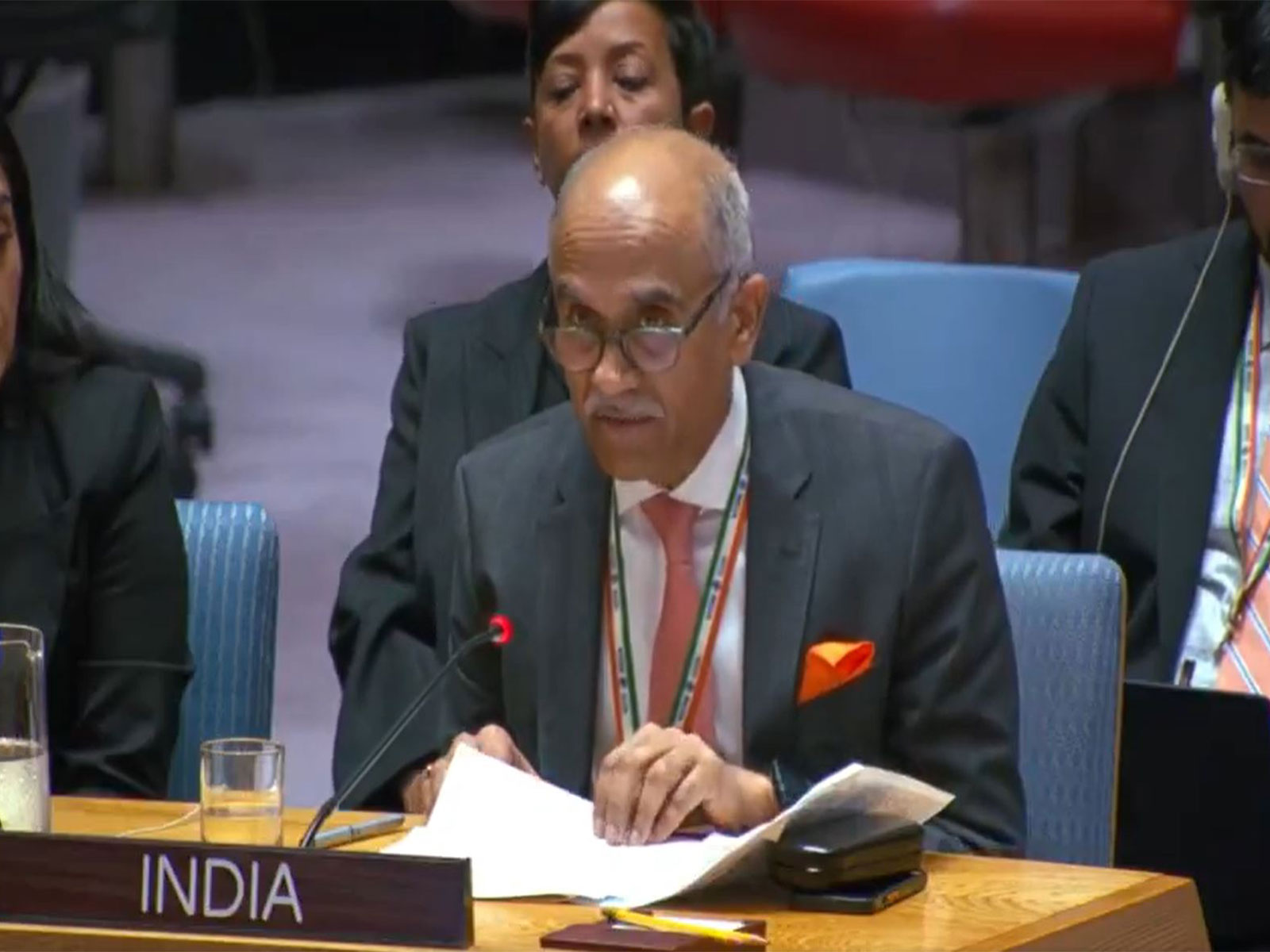
India launched a sharp diplomatic attack on Pakistan at the United Nations, accusing its neighbor of operating what it described as an “organized factory of hate” and using extremist narratives to spread anti-India propaganda. The strong remarks came in response to Pakistan’s references to the term “Fitna al-Hindustan,” which Indian representatives argued was another attempt to legitimize hostility against the country through state-backed rhetoric.
Addressing the international forum, India rejected any effort to associate terrorism or instability with the country and asserted that Pakistan continues to misuse global platforms to advance politically motivated narratives. Indian diplomats emphasized that such labels are designed to create divisions, spread misinformation, and distract attention from the real challenges of combating terrorism and extremism.
Strong Rebuttal to Pakistan’s Position
During the exchange, India accused Pakistan of repeatedly engaging in campaigns that seek to undermine its international image while ignoring concerns related to terrorism and radicalization within its own borders. Indian representatives argued that the use of inflammatory terminology reflects a broader pattern of hostility that has characterized Pakistan’s approach in various international forums.
According to India, the “Fitna al-Hindustan” narrative is not an isolated expression but part of a larger effort aimed at fueling anti-India sentiment. Officials contended that such rhetoric contributes to polarization and undermines collective international efforts to address security threats and regional stability.
India maintained that global institutions should remain focused on genuine challenges, including terrorism, violent extremism, and cross-border security concerns, rather than becoming platforms for politically motivated accusations. 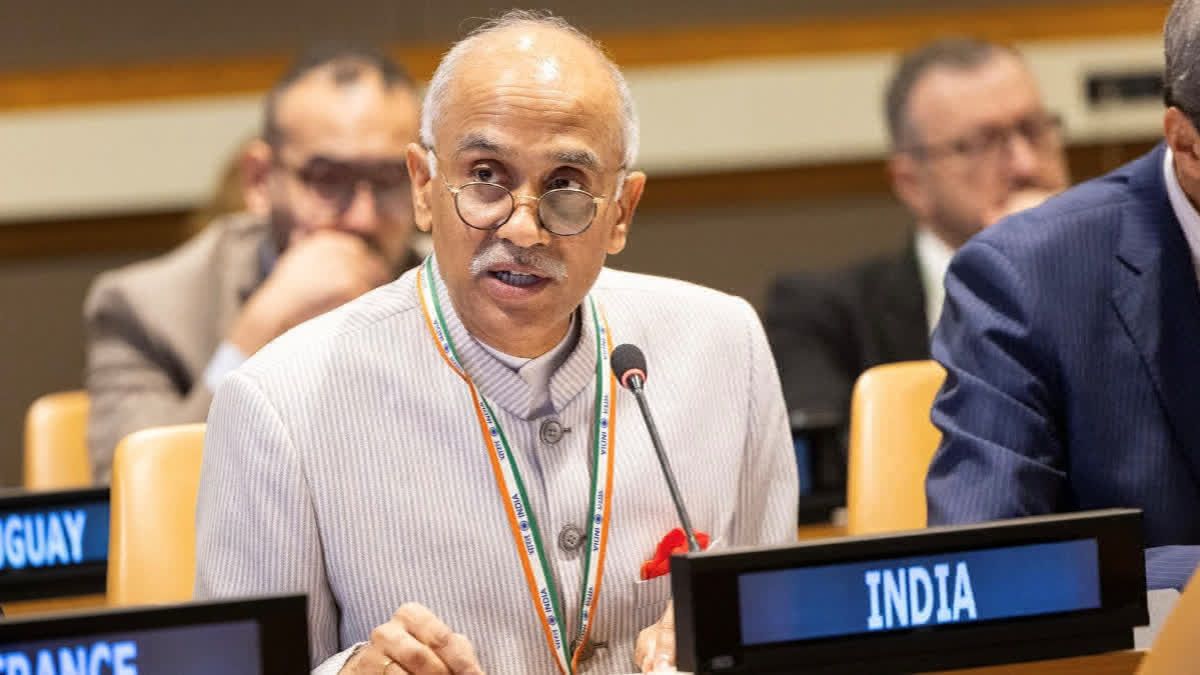
Concerns Over Extremism and Propaganda
Indian diplomats stressed that the international community must remain vigilant against attempts to normalize extremist narratives under political or ideological pretexts. They argued that hate-driven campaigns, regardless of their source, pose a threat to peace and cooperation among nations.
The delegation further asserted that the spread of hostile narratives through official channels can encourage mistrust and deepen regional tensions. India called for greater accountability and urged member states to reject rhetoric that promotes division or legitimizes intolerance.
Officials emphasized that efforts to combat terrorism must be based on consistent principles and international law rather than selective interpretations shaped by geopolitical interests. They argued that countries seeking credibility on counterterrorism issues must demonstrate a genuine commitment to confronting extremist ideologies.
Diplomatic Tensions Continue
The latest confrontation highlights the continuing diplomatic friction between India and Pakistan, particularly on issues related to security, terrorism, and regional stability. Relations between the two countries have remained strained for years, with disagreements frequently surfacing at international institutions.
India reiterated that it remains committed to combating terrorism in all its forms and called on the global community to adopt a united approach against extremist ideologies. At the same time, Indian representatives urged international organizations to resist becoming venues for the dissemination of hate-based narratives.
The exchange underscored the broader geopolitical contest between the two South Asian neighbors, where diplomatic engagements increasingly extend beyond bilateral discussions into global forums. As both countries continue to present competing narratives on security and regional issues, international institutions are likely to remain important arenas for diplomatic confrontation.
India Calls for Responsible International Engagement
Concluding its remarks, India emphasized the importance of responsible state conduct and constructive international dialogue. Officials argued that lasting peace and stability can only be achieved through cooperation, respect for international norms, and a genuine commitment to countering extremism.
India maintained that attempts to manufacture hostility through politically motivated campaigns ultimately undermine regional peace and distract from urgent global security challenges. The country urged the international community to remain focused on combating terrorism, promoting stability, and fostering cooperation rather than encouraging divisive narratives that fuel mistrust and conflict.