
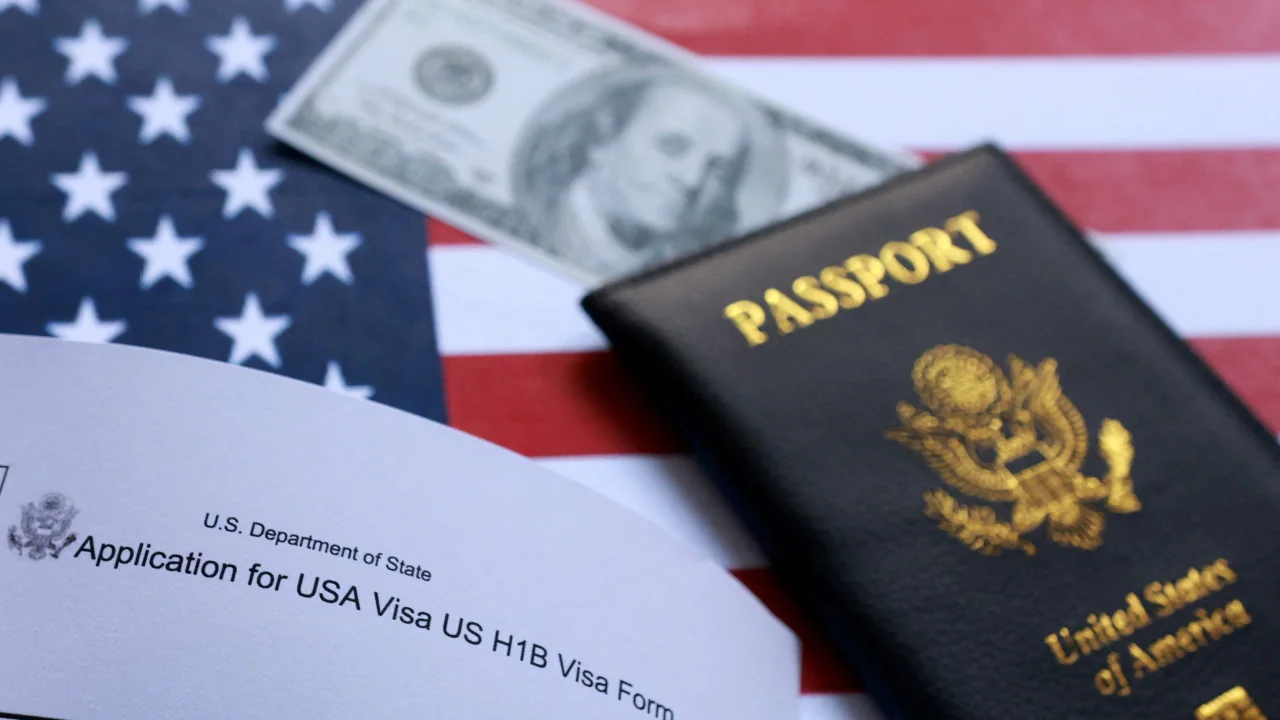
In a significant legal setback for efforts to impose stricter financial barriers on foreign workers, a United States federal court has struck down a proposed $100,000 fee linked to H-1B visa applications. The ruling is expected to provide substantial relief to thousands of skilled professionals, particularly from India, who rely on the H-1B program to work in the United States.
The decision comes amid ongoing debates over immigration policy, employment opportunities, and the role of highly skilled foreign workers in the American economy. Legal experts and industry observers view the ruling as a major development that reinforces the limits of executive authority in modifying immigration-related fees without proper legislative approval.
Background of the Controversial Proposal
The proposed fee was part of a broader initiative aimed at reshaping the H-1B visa system. Supporters of the measure argued that imposing a substantial charge on employers hiring foreign workers would encourage companies to prioritize American workers and reduce dependence on overseas talent.
However, critics contended that the proposed fee was excessive, lacked a clear legal foundation, and would have effectively restricted access to the H-1B program for many businesses. Industry groups warned that such a dramatic increase in costs could negatively impact innovation, technology development, healthcare services, engineering projects, and other sectors that depend heavily on specialized international talent.
The proposal attracted particular attention in India, which consistently accounts for the largest share of H-1B visa recipients. Many Indian professionals working in information technology, software development, engineering, finance, and research fields closely monitored the legal challenge due to its potential impact on career opportunities in the United States. 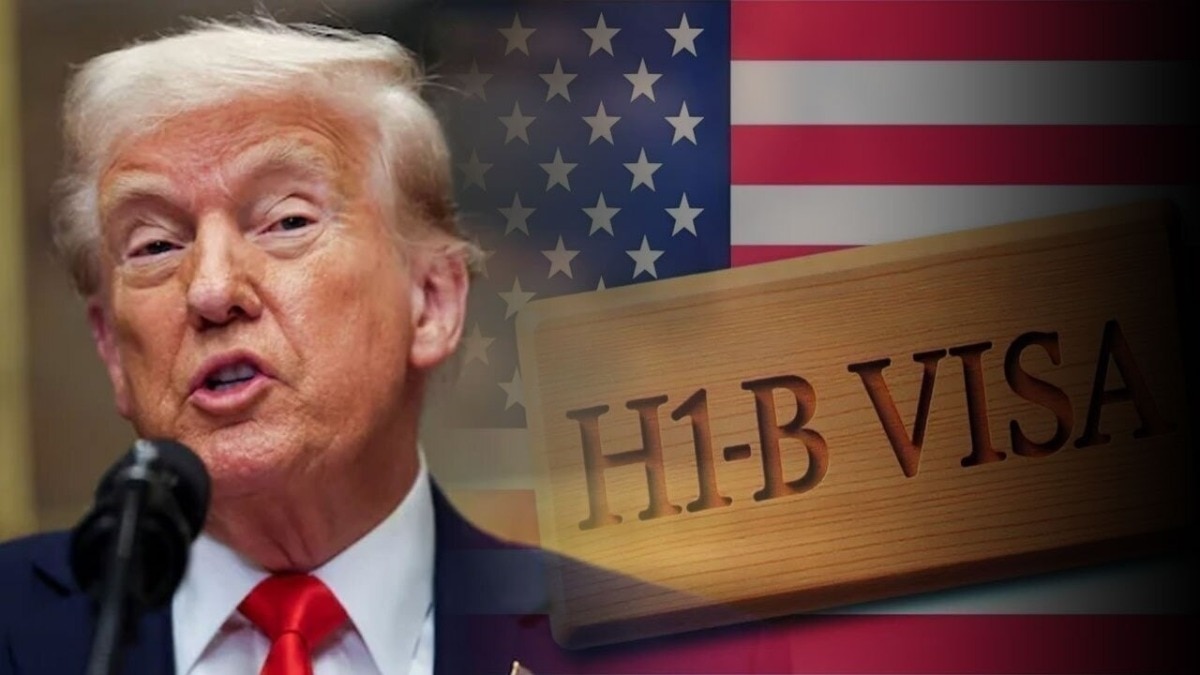
Court Finds Fee Unlawful
In its ruling, the federal court determined that the proposed $100,000 fee exceeded the legal authority available under existing immigration laws. The court concluded that such a substantial financial requirement could not be implemented without proper statutory authorization.
The judgment emphasized that federal agencies must operate within the limits established by Congress and cannot introduce sweeping financial measures without a valid legal basis. As a result, the proposed fee was declared unlawful and cannot be enforced.
Legal analysts noted that the decision underscores the importance of administrative accountability and reinforces judicial oversight over major policy changes affecting immigration and employment.
Relief for Indian Professionals
The ruling is particularly significant for Indian nationals, who form the backbone of the H-1B visa program. Thousands of Indian technology professionals secure employment in the United States each year through the visa category, contributing to major technology firms, startups, consulting companies, and research institutions.
Had the fee been implemented, many employers may have reconsidered hiring foreign workers due to the steep additional cost. Smaller firms and startups would likely have been among the most affected, potentially limiting opportunities for highly skilled professionals seeking international careers.
The court’s decision therefore preserves access to an important pathway for Indian talent seeking employment in the United States while maintaining workforce flexibility for employers facing specialized skill shortages. 
Impact on Businesses and the Technology Sector
The H-1B program remains a critical source of skilled labor for numerous industries. Technology companies, healthcare providers, engineering firms, and financial institutions frequently rely on the visa category to fill positions requiring advanced expertise.
Business groups have argued that access to global talent strengthens competitiveness and supports economic growth. They maintain that restricting the program through excessive fees could hinder innovation and create workforce gaps in sectors already facing shortages of qualified professionals.
With the proposed fee now invalidated, employers can continue recruiting international talent without facing the extraordinary financial burden that the measure would have imposed.
Broader Implications for Immigration Policy
The court’s decision may influence future attempts to alter immigration programs through administrative action. Experts suggest that policymakers seeking major changes to visa regulations may need to pursue legislative solutions rather than relying solely on executive measures.
The ruling also highlights the ongoing tension between immigration control efforts and the economic demand for skilled foreign workers. As the United States continues to compete globally for talent, the balance between workforce protection and attracting specialized expertise remains a key policy challenge.
Looking Ahead
While the court’s ruling removes the immediate threat of the proposed $100,000 fee, broader debates surrounding H-1B visas and skilled immigration are expected to continue. Future administrations and lawmakers may pursue alternative reforms aimed at reshaping the program, addressing labor market concerns, and strengthening oversight.
For now, however, the judgment offers reassurance to employers, educational institutions, and thousands of aspiring professionals—especially from India—who view the H-1B visa as a vital route to career advancement and participation in the global economy.
The decision marks an important moment in the ongoing discussion over immigration policy, reaffirming that significant changes to visa programs must remain consistent with established legal frameworks and congressional authority.