
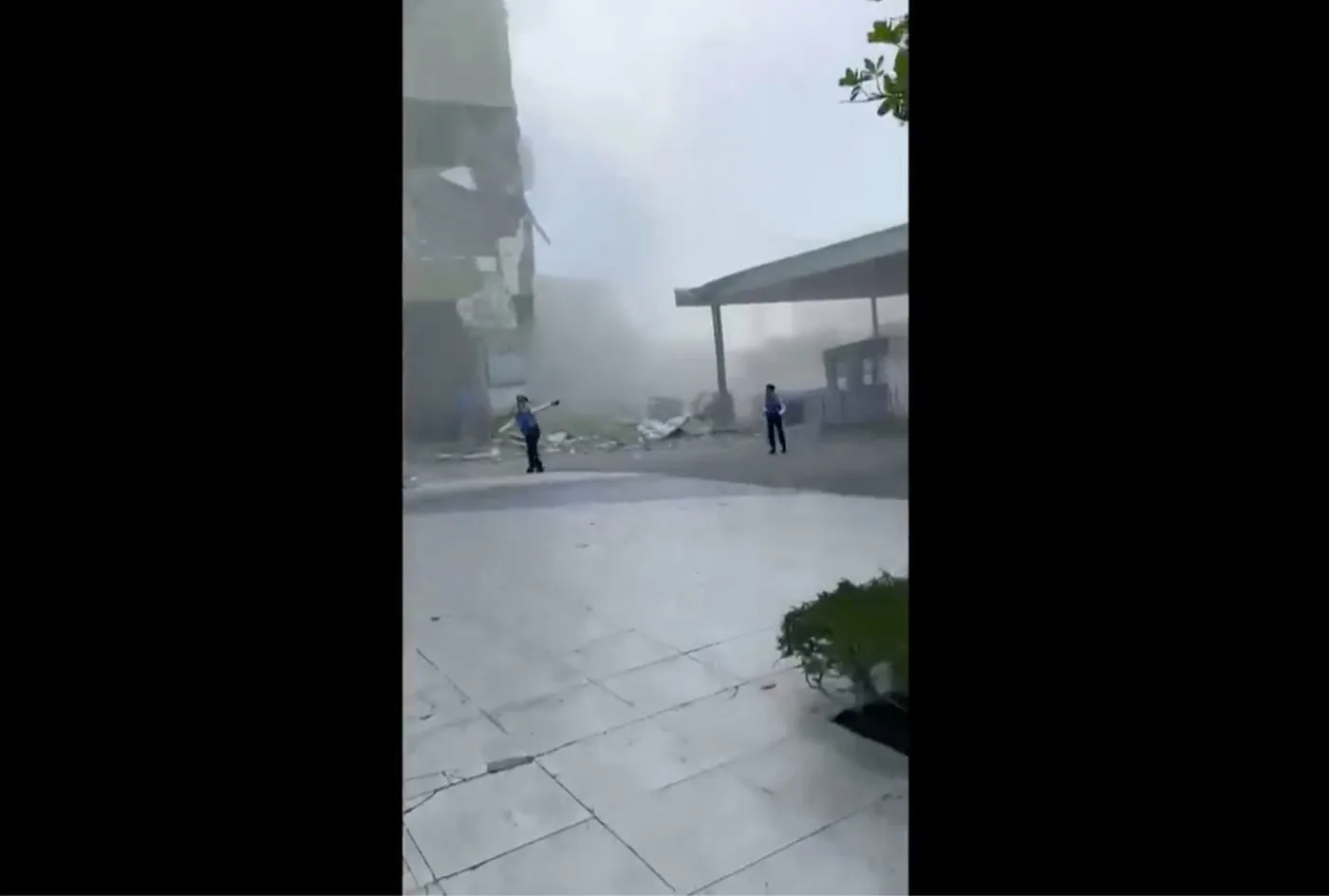
A powerful 7.8-magnitude earthquake rocked the Philippines, causing widespread devastation, claiming at least 35 lives, and triggering tsunami warnings across coastal regions. The strong seismic event sent residents fleeing from homes and buildings as authorities launched emergency rescue and relief operations in affected areas.
The earthquake struck with significant force, shaking large portions of the archipelago and damaging critical infrastructure. Reports from local authorities indicated that dozens of people were injured while several remained missing as rescue teams continued search efforts in the hardest-hit communities.
Extensive Damage Across Multiple Regions
The earthquake caused severe destruction to residential buildings, roads, bridges, and public facilities. Several structures collapsed under the force of the tremors, trapping residents beneath debris and complicating rescue operations.
Emergency responders worked throughout the day to clear rubble, rescue survivors, and provide medical assistance to the injured. Hospitals in affected areas reported an influx of patients suffering from injuries ranging from fractures and cuts to more serious trauma caused by collapsing structures.
Authorities warned that the full extent of the damage was still being assessed, with remote communities remaining difficult to access due to damaged transportation networks and disrupted communication systems. 
Tsunami Alerts Issued Following Strong Seismic Activity
Soon after the earthquake struck, tsunami warnings were issued for several coastal areas due to concerns about potential sea-level disturbances generated by the powerful undersea movement.
Residents living along vulnerable coastlines were advised to move to higher ground as emergency officials monitored ocean conditions. Disaster management agencies activated emergency protocols, and local governments coordinated evacuation measures to ensure public safety.
Although tsunami threats can vary depending on underwater geological activity, officials emphasized the importance of precautionary evacuations until comprehensive assessments could confirm the level of risk.
Rescue and Relief Operations Intensify
Search-and-rescue teams, military personnel, police units, and disaster response agencies were deployed to affected regions to assist survivors and assess damage. Temporary shelters were established to accommodate families displaced by the earthquake.
Relief agencies distributed food, drinking water, blankets, and emergency supplies to communities impacted by the disaster. Authorities also prioritized restoring electricity, telecommunications, and transportation services to facilitate ongoing rescue operations.
Government officials pledged continued support for affected residents and vowed to mobilize additional resources as damage assessments progressed. 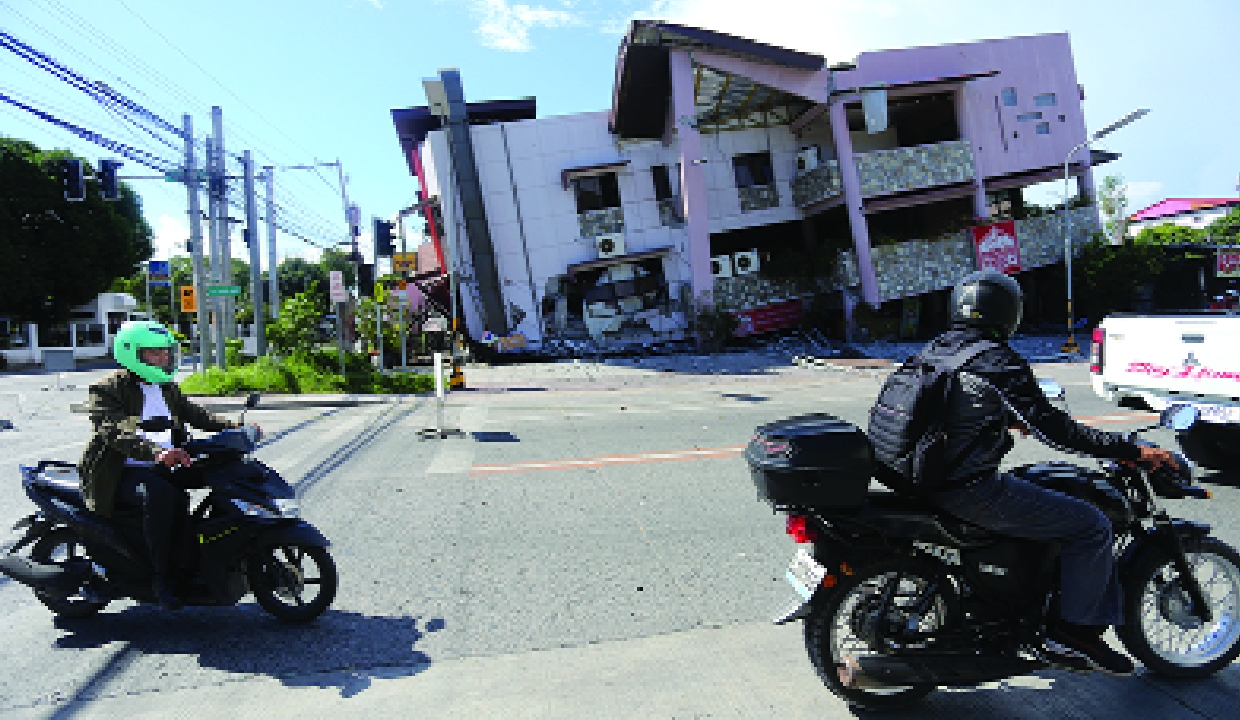
Fear of Aftershocks Remains High
Seismologists warned that strong aftershocks could continue in the hours and days following the main earthquake. Residents were urged to remain cautious, avoid damaged buildings, and follow official safety advisories.
Aftershocks can pose significant risks by weakening already damaged structures and triggering additional landslides or building collapses. Emergency management agencies maintained heightened alert levels as monitoring stations tracked ongoing seismic activity.
Philippines’ Vulnerability to Earthquakes
The Philippines is located along the Pacific Ring of Fire, one of the world’s most seismically active regions. The country frequently experiences earthquakes due to the movement of multiple tectonic plates beneath and around the archipelago.
While many earthquakes occur without causing major destruction, powerful seismic events can have devastating consequences, particularly in densely populated areas or regions with vulnerable infrastructure.
Experts have long emphasized the importance of earthquake preparedness, resilient construction standards, and effective disaster response systems to reduce the impact of future natural disasters.
Ongoing Assessment and Recovery Efforts
As rescue operations continue, authorities remain focused on locating missing persons, assisting displaced families, and restoring essential services. The death toll may rise as emergency crews gain access to heavily affected locations and complete detailed assessments.
The disaster has once again highlighted the challenges faced by nations situated in highly active seismic zones and the critical need for rapid emergency response capabilities when major earthquakes strike.
Recovery efforts are expected to continue for weeks, with government agencies, humanitarian organizations, and local communities working together to rebuild damaged areas and support those affected by one of the strongest earthquakes to hit the region in recent years.