
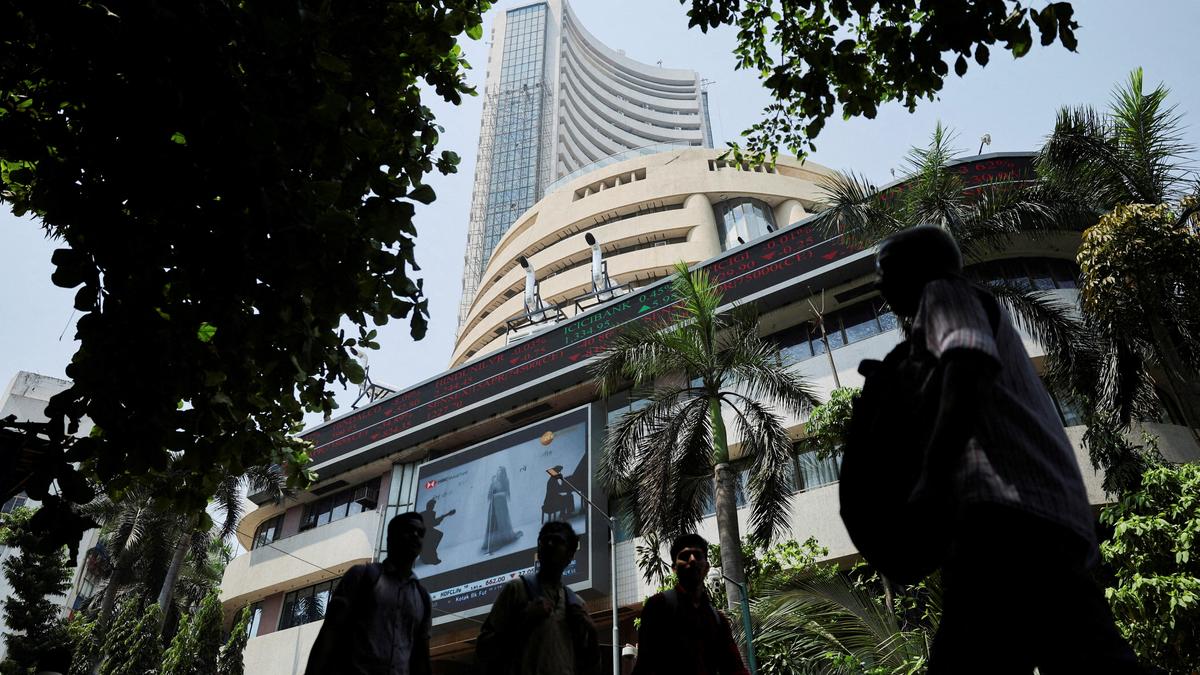
Indian equity markets witnessed a sharp decline as investors reacted nervously to rising geopolitical tensions in the Middle East, sparking a broad-based sell-off across global financial markets. Benchmark indices suffered significant losses during the trading session, with the Sensex falling more than 1,000 points and the Nifty slipping substantially amid heightened uncertainty.
The sudden downturn reflected growing concerns among investors over the potential economic impact of escalating regional conflict, which has raised fears about disruptions to global trade, energy supplies, and overall market stability. The sell-off was not limited to India, as stock markets across several regions experienced pressure from risk-averse sentiment.
Geopolitical Developments Weigh on Investor Confidence
Market participants closely monitored developments in the Middle East after reports of fresh military strikes intensified concerns over the possibility of a broader regional conflict. The situation has created uncertainty regarding diplomatic efforts and ceasefire negotiations, prompting investors to shift away from riskier assets such as equities.
Historically, geopolitical conflicts have triggered volatility in financial markets due to concerns about economic disruptions and potential shocks to commodity prices. The latest developments once again underscored the sensitivity of global markets to international events.
Investors worried that prolonged instability could impact crude oil production and transportation routes, potentially leading to higher energy prices. Since India is one of the world’s largest importers of crude oil, any sustained increase in oil prices could have implications for inflation, corporate profitability, and economic growth. 
Sensex and Nifty Under Pressure
The benchmark Sensex witnessed a steep decline, shedding more than 1,000 points during the trading session as selling pressure intensified across sectors. The Nifty also recorded substantial losses, reflecting widespread weakness in the broader market.
Market breadth remained negative, with a majority of stocks trading in the red. Investors reduced exposure to equities amid fears that geopolitical uncertainty could continue to influence market sentiment in the near term.
Large-cap stocks, which often serve as market leaders, were among the major contributors to the decline. The weakness extended across sectors, indicating a broad risk-off mood rather than company-specific concerns.
Banking, IT and Auto Stocks Face Selling Pressure
Several key sectors experienced notable declines as investors booked profits and moved toward safer investment avenues.
Banking stocks came under pressure due to concerns that prolonged uncertainty could affect economic activity and investor confidence. Financial institutions often remain sensitive to shifts in market sentiment, making them vulnerable during periods of heightened volatility.
Information technology stocks also witnessed selling activity. Technology companies derive a significant portion of their revenues from global markets, and concerns regarding international economic stability weighed on investor outlook for the sector.
Automobile and consumer-focused companies were similarly impacted as market participants assessed the potential consequences of rising fuel costs and inflationary pressures.
Global Markets Reflect Rising Risk Aversion
The weakness in Indian equities mirrored broader trends in international markets. Investors worldwide responded cautiously to geopolitical developments, leading to declines across multiple asset classes.
Market experts noted that uncertainty surrounding military activity and diplomatic negotiations has prompted investors to adopt a more defensive stance. During such periods, capital often flows into traditionally safer assets, while equity markets experience heightened volatility.
The broader concern remains whether tensions could escalate further and affect critical energy supply chains. Such risks have historically led to fluctuations in commodity prices and shifts in investor behavior. 
Crude Oil Concerns Add to Market Anxiety
One of the key drivers behind the market decline was concern over crude oil prices. Any disruption in supply from major producing regions can significantly impact global energy markets.
Higher crude prices can increase transportation and manufacturing costs, contribute to inflation, and affect corporate earnings. For emerging economies such as India, rising energy costs can also influence fiscal and trade balances.
Analysts observed that investors are closely tracking oil market movements, as sustained price increases could create additional challenges for both businesses and policymakers.
Analysts Advise Caution Amid Volatility
Market experts believe that near-term volatility may continue as investors await greater clarity on geopolitical developments. While sharp market declines can create opportunities for long-term investors, analysts caution that uncertainty remains elevated.
They emphasize the importance of focusing on fundamentals rather than reacting to short-term market swings. Diversification, disciplined investing, and careful risk management remain critical during periods of geopolitical instability.
Despite the current turbulence, many analysts note that domestic economic indicators and corporate earnings will continue to play an important role in shaping the long-term direction of Indian equities.
Outlook
The sharp decline in the Sensex and Nifty highlights the influence of global events on domestic financial markets. As investors assess the evolving geopolitical situation and its potential economic implications, market volatility is likely to remain a key theme in the coming sessions.
Much will depend on future developments in the Middle East, the trajectory of crude oil prices, and the outcome of diplomatic efforts aimed at reducing tensions. Until greater certainty emerges, investors are expected to remain cautious, keeping markets sensitive to both geopolitical headlines and global economic signals.