
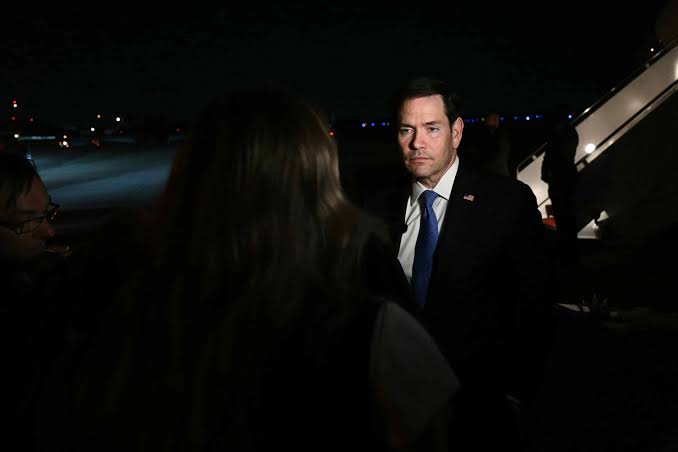
United States Secretary of State Marco Rubio has expressed his willingness to hold discussions with senior officials from Russia and China during his visit to the Philippines, signaling Washington’s continued commitment to diplomatic engagement despite ongoing geopolitical disagreements.
Rubio’s remarks come at a time when global tensions remain high over issues ranging from the war in Ukraine and security concerns in the Indo-Pacific to growing competition between the United States and China. His comments indicate that the US remains prepared to keep diplomatic communication channels open, even while maintaining firm positions on major international disputes.
Diplomatic Engagement Remains a Priority
Speaking during his visit to the Philippines, Rubio emphasized that dialogue between major powers remains essential in addressing complex global challenges. He suggested that if the opportunity arises, he would be prepared to meet representatives from both Russia and China, underscoring the importance of direct communication during periods of heightened international tension.
According to Rubio, diplomacy plays a critical role in preventing misunderstandings and managing strategic competition. He stressed that engagement does not necessarily indicate agreement on contentious issues but serves as an important mechanism for maintaining stability and reducing the risk of conflict.
The statement reflects Washington’s broader diplomatic strategy of maintaining open lines of communication with geopolitical rivals while continuing to pursue its foreign policy objectives.
Visit Highlights Strong US-Philippines Partnership
Rubio’s visit to the Philippines also underscores the close strategic partnership between the United States and Manila. The two countries continue to deepen cooperation in defense, security, economic development, and regional stability.
The visit comes amid increasing concerns over security developments in the Indo-Pacific, particularly in the South China Sea, where territorial disputes have intensified in recent years. The United States has repeatedly reaffirmed its commitment to supporting the Philippines under their longstanding mutual defense arrangements.
Officials from both countries are expected to discuss maritime security, military cooperation, economic collaboration, and broader regional challenges during high-level meetings. 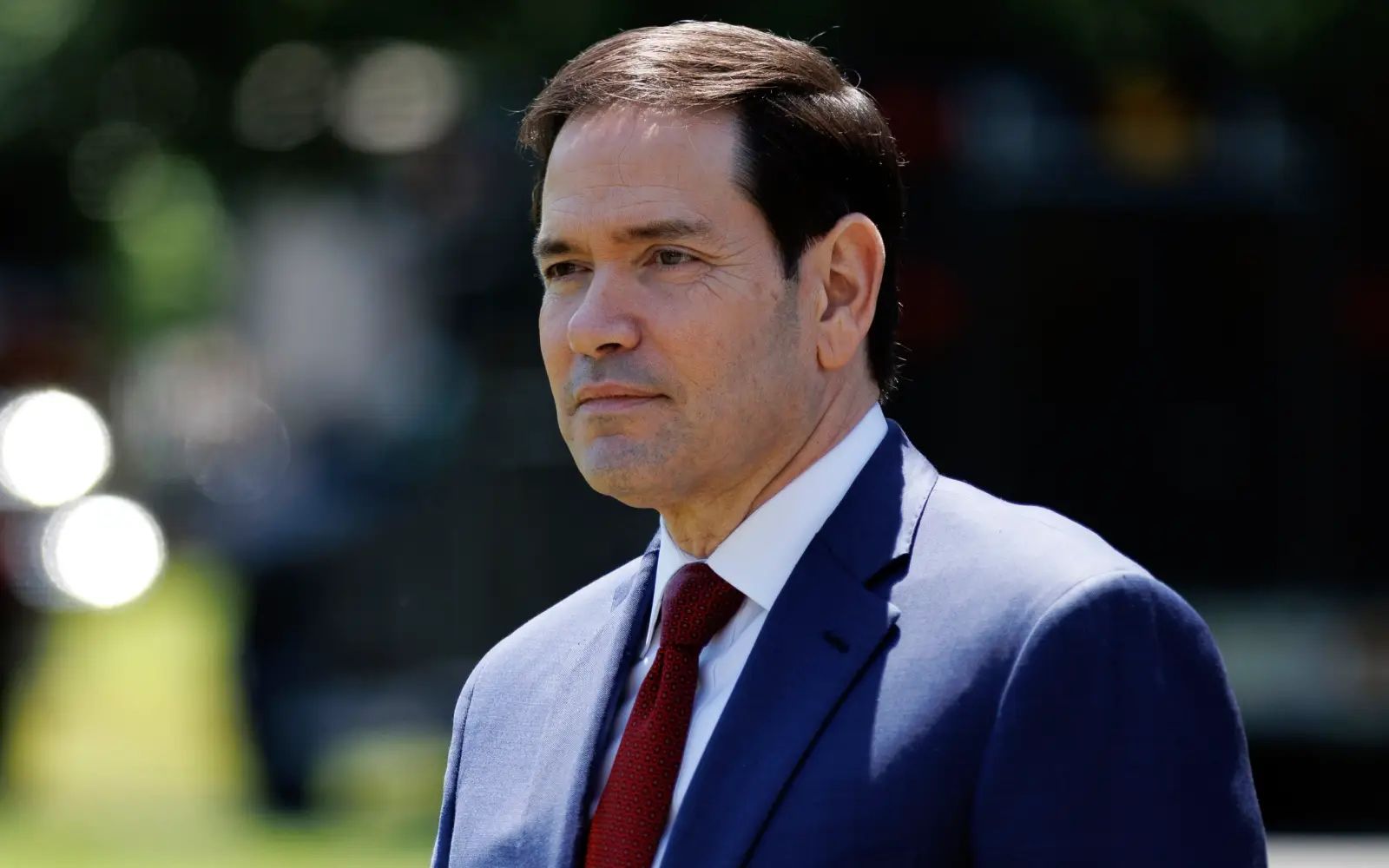
Indo-Pacific Security at the Center of Discussions
Security in the Indo-Pacific remains one of Washington’s top foreign policy priorities. The United States has consistently advocated for a free, open, and rules-based Indo-Pacific while strengthening partnerships with regional allies and partners.
The Philippines occupies a strategically important position in the region, making bilateral cooperation increasingly significant amid evolving security dynamics. Recent years have seen expanded military exercises, enhanced defense cooperation, and closer coordination between the two countries.
Rubio’s visit is expected to reinforce these commitments while addressing broader regional concerns involving freedom of navigation, maritime security, and adherence to international law.
Openness to Talks With China
Relations between the United States and China continue to be shaped by both competition and selective cooperation. While differences persist over trade, technology, Taiwan, human rights, and the South China Sea, both governments have periodically emphasized the importance of maintaining diplomatic dialogue.
Rubio’s willingness to meet Chinese officials demonstrates that Washington remains open to direct engagement where constructive discussions can help manage differences and reduce tensions.
Analysts note that sustained communication between the world’s two largest economies remains essential for addressing regional security concerns, global economic stability, and shared international challenges.
Potential Discussion With Russian Officials
Rubio also indicated that he would be open to meeting Russian representatives if circumstances permit. Relations between Washington and Moscow remain strained due to the ongoing conflict in Ukraine, sanctions, and broader security disagreements.
Despite these tensions, diplomatic contacts continue to be viewed as an important tool for addressing areas of mutual concern, preventing escalation, and maintaining strategic stability.
While no official bilateral meetings with Russian officials have been confirmed, Rubio’s remarks suggest that the United States remains prepared to engage diplomatically whenever meaningful opportunities arise.
Regional and Global Significance
Rubio’s comments carry significance beyond his visit to the Philippines. They reflect an approach that combines strategic competition with continued diplomatic outreach, recognizing that dialogue remains an essential component of international relations even during periods of disagreement.
Observers believe that any interaction involving senior US, Russian, or Chinese officials would be closely watched by the international community, particularly given the current geopolitical landscape.
The Indo-Pacific continues to be a focal point of global strategic competition, making diplomatic engagement among major powers increasingly important for regional peace and stability.
Looking Ahead
Although no formal meetings with Russian or Chinese officials have been scheduled, Rubio’s openness to such discussions signals that the United States is prepared to pursue diplomacy alongside its broader strategic objectives.
His visit to the Philippines is expected to strengthen bilateral ties, reinforce security cooperation, and reaffirm Washington’s commitment to its allies in the Indo-Pacific. At the same time, the possibility of conversations with representatives from Russia and China highlights the continued importance of dialogue in addressing complex international challenges and maintaining global stability.