
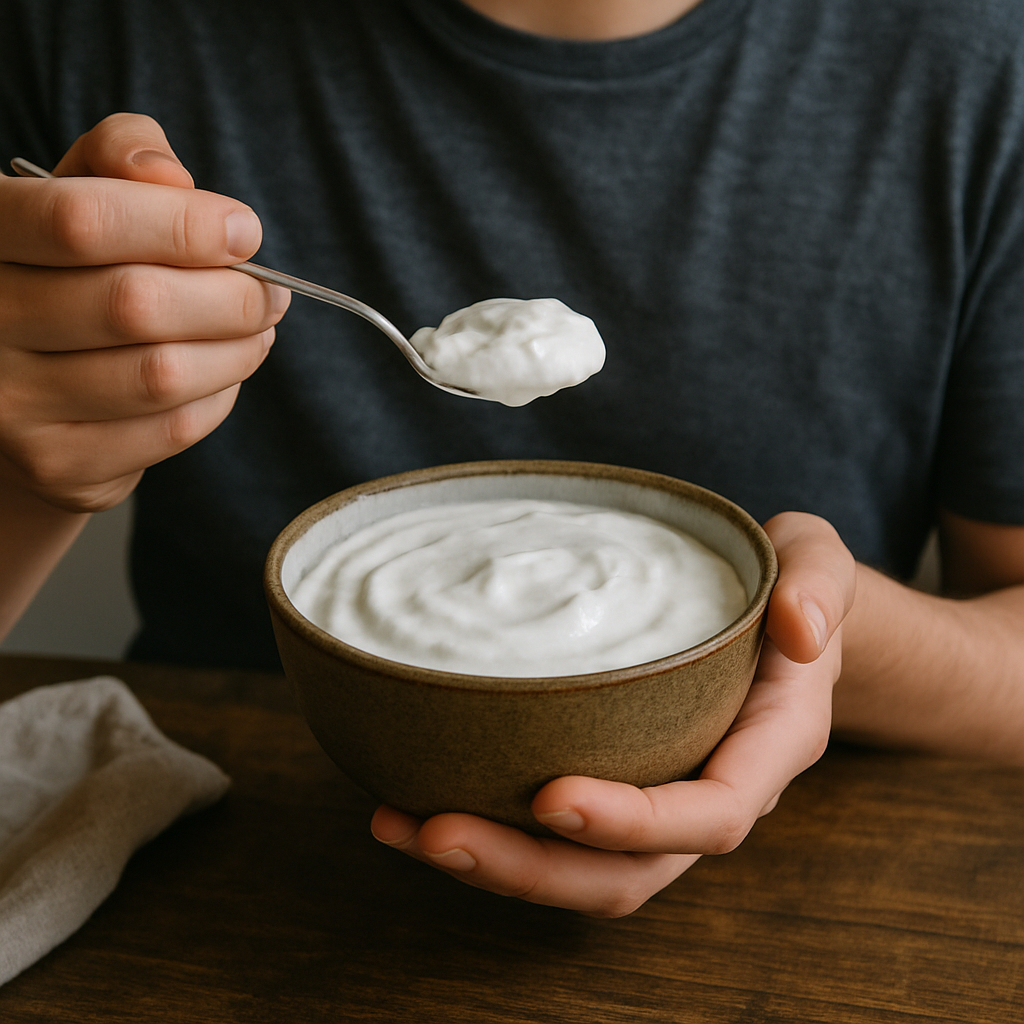
Curd has long been considered one of the healthiest additions to the Indian diet. Rich in probiotics, calcium, and protein, it is commonly consumed to support digestion and improve gut health. However, health experts are now cautioning that eating curd late at night may not be suitable for everyone, especially those prone to digestive discomfort.
According to gastroenterologists, consuming thick curd before bedtime can sometimes interfere with the digestive process and lead to bloating, heaviness, acidity, and disturbed sleep. The concern is not about curd being unhealthy, but rather about the timing of consumption and how the body processes heavy dairy foods during nighttime hours.
Medical experts explain that digestion naturally slows down at night as the body prepares for rest. When dense foods such as curd are eaten close to bedtime, the stomach may struggle to break them down efficiently. This may cause the curd to remain partially undigested in the digestive tract, where it can begin to ferment and produce gas.
One doctor explained that when individuals consume thick curd during dinner and immediately lie down afterward, the body’s digestive mechanics become sluggish. In this situation, undigested curd can remain in the gut longer than usual, potentially causing fermentation, abdominal bloating, and discomfort during sleep. 
Health professionals emphasize that the human digestive system works more efficiently during the daytime when metabolism and physical activity levels are higher. During the night, the digestive system slows considerably.
This reduction in digestive activity means heavier foods may take longer to process. Thick curd, especially full-fat curd, is considered dense and cooling in nature, which can sometimes create digestive stress when consumed late.
Doctors say that lying down shortly after eating may further worsen the situation. A horizontal body position can increase the risk of acid reflux and indigestion, making symptoms like chest heaviness, gas formation, and bloating more noticeable.
Experts add that people with lactose sensitivity, weak digestion, acidity issues, or chronic bloating may be particularly vulnerable to these nighttime digestive problems.
Medical professionals explain that when food remains undigested for extended periods, natural bacterial activity inside the intestines can lead to fermentation. In the case of curd, this fermentation process may produce excess gas and discomfort.
Symptoms linked to poor nighttime digestion of curd may include:
Abdominal bloating
Gas formation
Acid reflux
Heaviness in the stomach
Restless sleep
Mild stomach cramps
Morning sluggishness
Doctors stress that not every person will experience these symptoms. Individual digestion, metabolism, and dietary habits play an important role in how the body responds to curd at night.
Not all medical experts agree that curd should be avoided at night altogether. Some nutrition and health professionals argue that curd remains a nutritious probiotic food that can be safely consumed if eaten in moderation and at the right time. 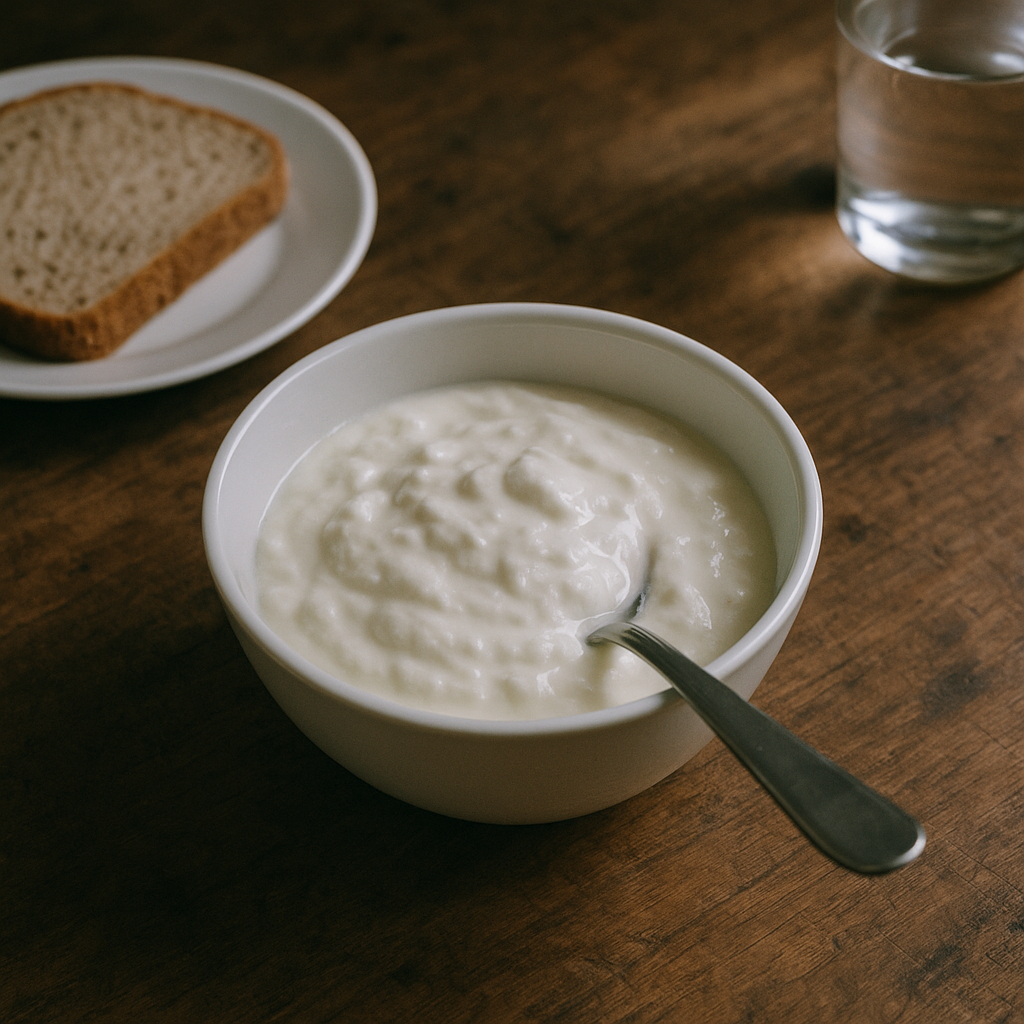
Some doctors maintain that curd’s probiotic bacteria can still benefit gut health regardless of the time of day. However, most experts agree that people experiencing recurring bloating, acidity, or indigestion should observe how their body reacts and adjust their eating habits accordingly.
Doctors commonly recommend buttermilk, also known as chaas, as a lighter alternative for late evening consumption.
Unlike thick curd, buttermilk is diluted and contains lower fat content, making it easier to digest. Experts say it passes through the digestive system more comfortably and provides hydration without placing excess strain on the stomach.
Health specialists highlight several advantages of buttermilk at night:
Easier digestion
Lower lactose concentration
Better hydration
Reduced heaviness
Less risk of bloating
Because it is lighter in consistency, buttermilk is often considered more suitable during nighttime hours compared to thick curd.
Nutrition experts generally recommend consuming curd during lunch or daytime meals when digestive power is strongest. Eating curd earlier in the day allows the body enough time to break it down effectively and absorb its nutrients.
Pairing curd with balanced meals containing fibre and spices may also help improve digestion. Experts suggest avoiding very cold curd directly from the refrigerator, especially during late-night meals.
Doctors recommend a few simple lifestyle measures for those who wish to continue eating curd without discomfort:
Avoid eating curd immediately before sleep
Keep dinner light and easy to digest
Maintain a gap of at least 2–3 hours before bedtime
Choose buttermilk instead of thick curd at night
Avoid overeating during dinner
Observe how your body reacts to dairy foods
Experts note that digestive tolerance differs from person to person, so personalized dietary habits remain important.
Curd continues to be a highly nutritious food packed with probiotics and essential nutrients. However, health experts warn that consuming thick curd late at night may contribute to bloating, gas, and digestive discomfort in some individuals due to slower nighttime digestion.
Doctors advise that daytime consumption may be better for optimal digestion, while lighter alternatives like buttermilk may be safer for late evening meals. Understanding individual digestive patterns and meal timing can help people enjoy the benefits of curd without unwanted stomach problems.