
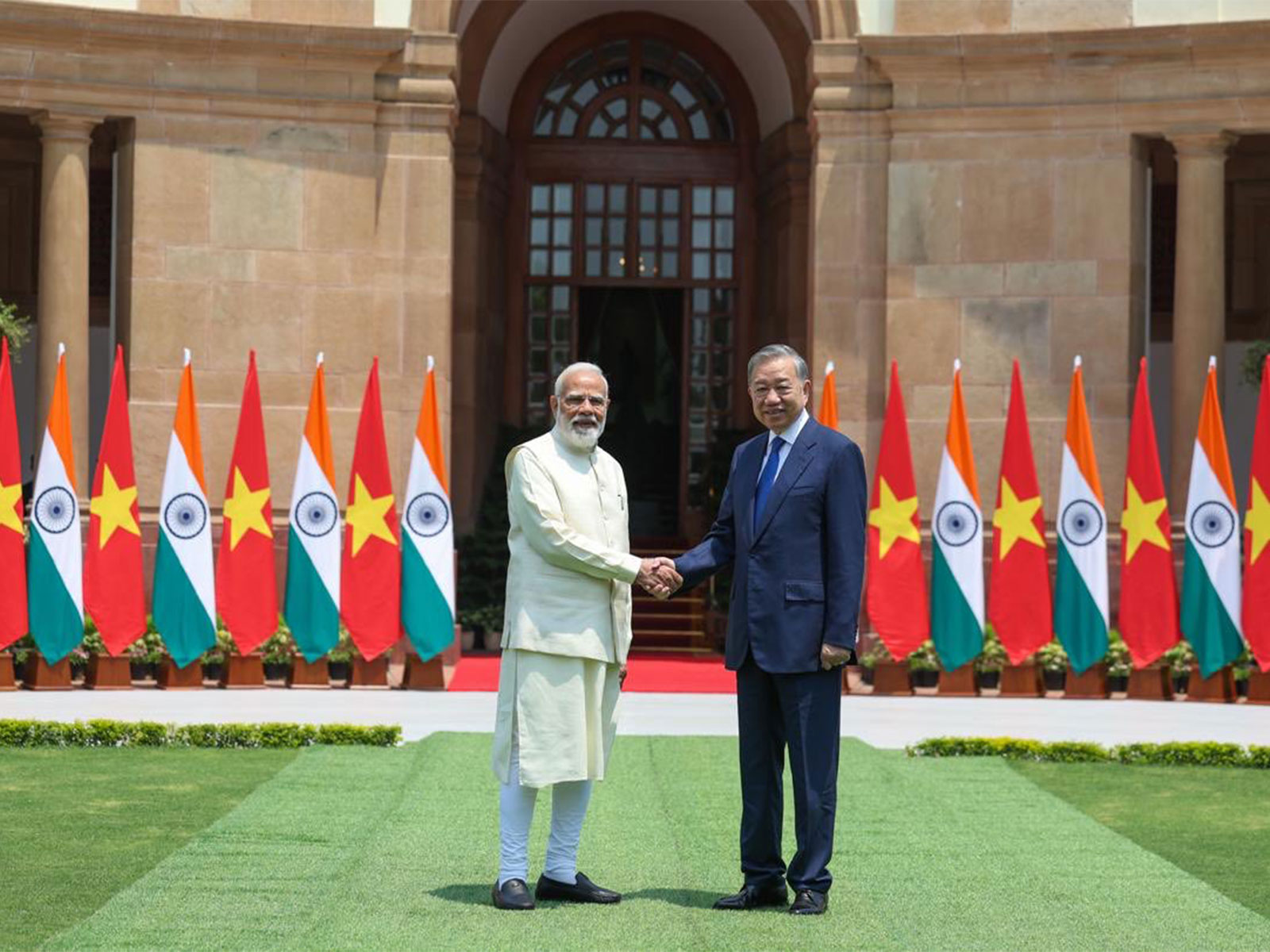
India and Vietnam have taken a significant step forward in their bilateral relationship by upgrading their ties to an “Enhanced Comprehensive Strategic Partnership.” The move marks a new chapter in cooperation between the two fast-growing Asian economies, with both nations outlining an ambitious roadmap for long-term engagement across trade, security, and technological collaboration.
A key highlight of this renewed partnership is the joint commitment to achieve a bilateral trade target of $25 billion by the year 2030. This goal reflects a shared ambition to significantly expand economic exchanges and deepen commercial linkages across multiple sectors.
The upgraded framework places strong emphasis on boosting bilateral trade through improved market access, smoother regulatory processes, and enhanced connectivity between businesses. Both countries aim to create a more balanced and sustainable trade ecosystem that supports exporters and importers on both sides.
India and Vietnam have witnessed steady growth in trade over the past decade, driven by sectors such as machinery, textiles, pharmaceuticals, electronics, and agricultural products. However, the new target signals a more aggressive push to unlock untapped potential and diversify trade baskets further.
Officials from both sides have underscored the importance of encouraging private sector participation, strengthening supply chain integration, and promoting joint ventures to accelerate economic momentum. 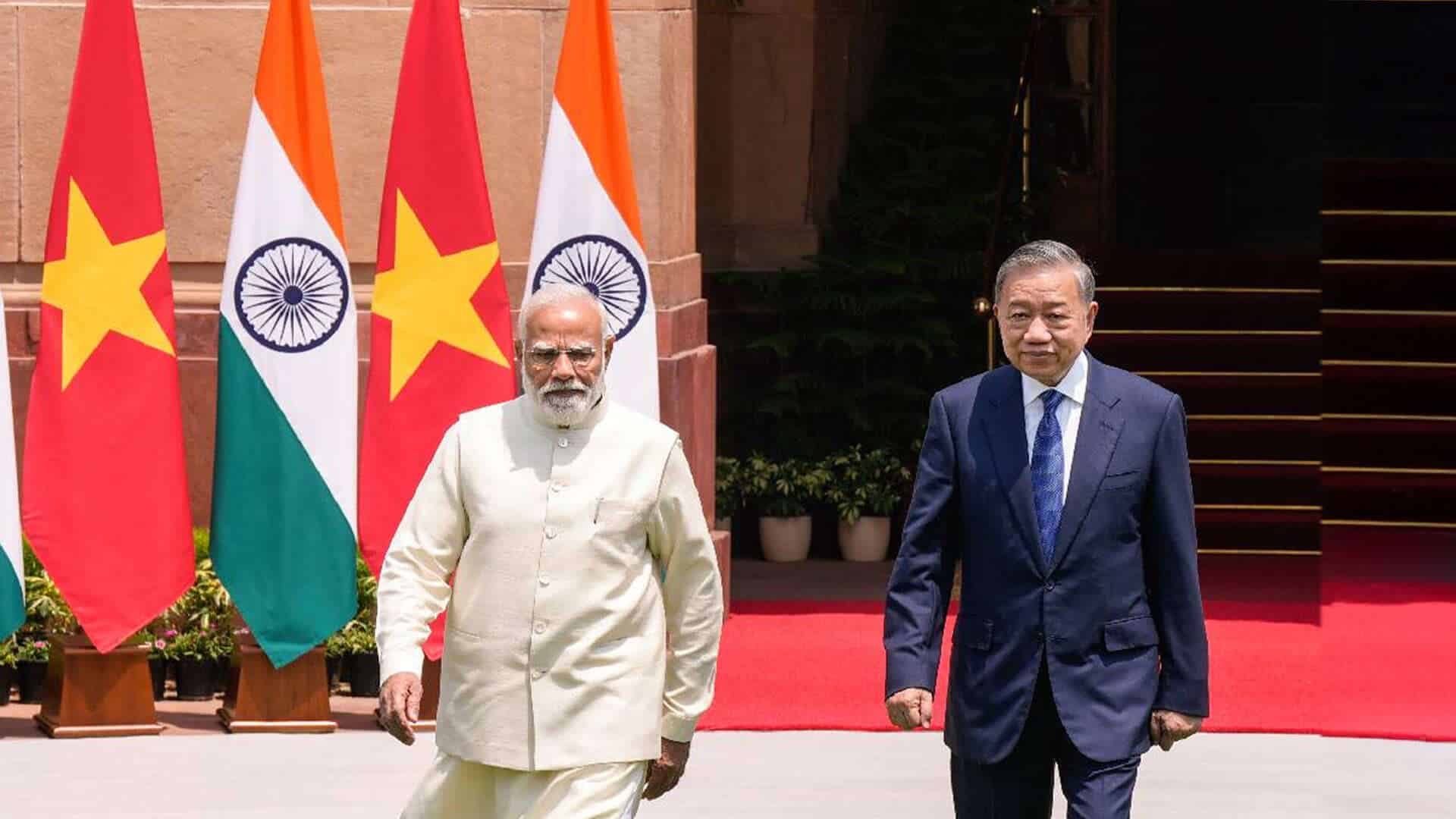
Beyond traditional trade, the partnership is increasingly focusing on strategic and high-growth industries. Critical minerals and rare earth elements are emerging as a major area of cooperation, given their importance in global supply chains and clean energy technologies.
Digital transformation is another major pillar of collaboration, with both countries exploring opportunities in fintech, digital infrastructure, cybersecurity, and e-governance systems. The goal is to create a robust digital ecosystem that supports innovation and cross-border technology exchange.
Energy security and renewable energy development are also expected to play a key role in future cooperation, especially as both nations work toward sustainable development goals.
In addition to economic ties, India and Vietnam have reinforced their strategic and defence partnership. Both countries share common interests in maintaining regional peace and stability, particularly in the Indo-Pacific region.
Cooperation in maritime security, defence training, and defence production is expected to deepen further. This includes enhancing naval coordination, information sharing, and capacity building initiatives.
The strengthened defence ties reflect a mutual understanding of the importance of a free, open, and rules-based regional order, especially in light of evolving geopolitical dynamics.
To support the expanded partnership, both nations have agreed to strengthen institutional mechanisms that ensure consistent dialogue and effective implementation of agreements. Regular high-level meetings and working groups will help monitor progress across various sectors.
Several new agreements have also been concluded to facilitate cooperation in areas such as digital payments, agriculture, resource management, and skill development. These initiatives are expected to improve efficiency and foster greater collaboration between businesses and government agencies.
The enhanced partnership comes at a time when global economic and geopolitical conditions are undergoing rapid transformation. Supply chain diversification, technological competition, and regional security concerns are prompting countries to build stronger bilateral and multilateral partnerships.
India and Vietnam, both emerging as influential economies in Asia, are positioning themselves as key players in global manufacturing and trade networks. Their collaboration is expected to contribute to greater economic resilience and regional stability.
With the $25 billion trade target set for 2030, both India and Vietnam are signaling a long-term commitment to deepening their relationship. Achieving this goal will require sustained policy coordination, infrastructure development, and active participation from the private sector.
Experts believe that the strengthened partnership could unlock significant economic opportunities while also reinforcing strategic alignment in the Indo-Pacific region. As cooperation expands across trade, technology, and defence, India and Vietnam are expected to emerge as even closer partners in the years ahead.