
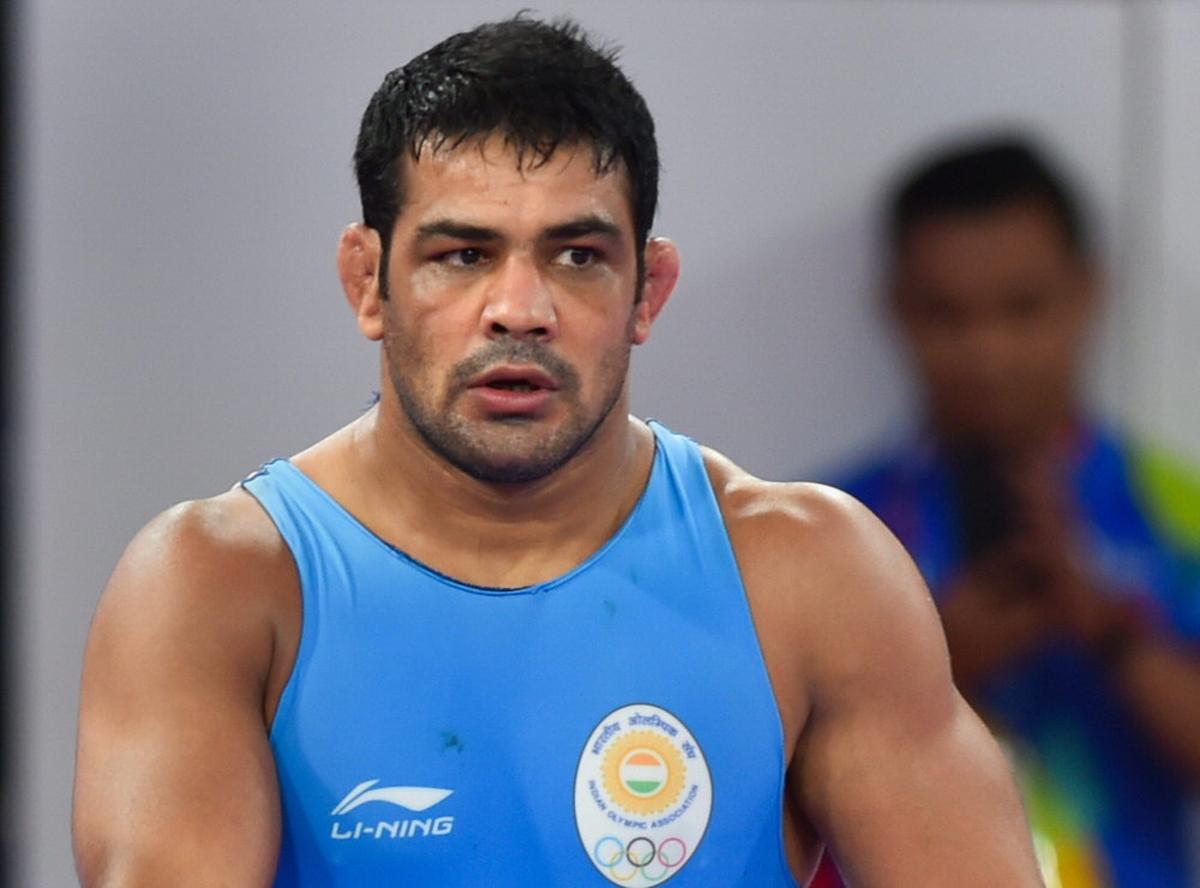
The Delhi High Court has rejected the bail application of Olympic medallist wrestler Sushil Kumar in connection with the murder case involving former junior national wrestling champion Sagar Dhankar at Delhi’s Chhatrasal Stadium. The court observed that the allegations against the wrestler were serious in nature and that the circumstances of the case did not justify granting him relief at this stage.
Sushil Kumar, one of India’s most celebrated wrestlers and a two-time Olympic medallist, has been facing criminal proceedings in the case related to the death of 23-year-old wrestler Sagar Dhankar, who was allegedly assaulted inside the Chhatrasal Stadium premises in May 2021. The incident had attracted widespread attention due to the involvement of a prominent sporting personality.
The High Court, while hearing the bail petition, examined the allegations, evidence presented by investigators, and the stage of the trial before deciding against granting bail. The court noted that the accusations involved serious offences and that releasing the accused at this point could impact the proceedings.
Court Highlights Serious Nature of Allegations
During the hearing, the prosecution argued that the case involved a planned assault and that there was sufficient material available against the accused. The investigators had alleged that Sushil Kumar was present at the scene of the incident and was involved in the events leading to Dhankar’s death.
The defence, however, argued that the wrestler had been in custody for a considerable period and that there was no reason to continue his detention while the trial progressed. The defence maintained that the allegations against him were yet to be proven and that he should be granted bail under legal principles.
After considering arguments from both sides, the court concluded that the nature of accusations, the evidence collected during the investigation, and other circumstances surrounding the case did not support the grant of bail.
Background of the Chhatrasal Stadium Murder Case
The case dates back to May 2021, when a violent confrontation reportedly took place at the Chhatrasal Stadium in north Delhi. Wrestler Sagar Dhankar suffered severe injuries during the alleged assault and later died. The incident led to an extensive investigation by Delhi Police, resulting in the arrest of Sushil Kumar and several other accused individuals.
The investigation focused on allegations that a group of individuals was involved in the attack following a dispute connected to a property-related matter and personal rivalry. Authorities later filed charges against multiple accused persons in connection with the case.
Sushil Kumar was arrested in May 2021 after remaining untraceable for several days following the incident. Since then, he has been in judicial custody while legal proceedings have continued.
Sushil Kumar’s Sporting Career and Legal Battle
Before becoming embroiled in the criminal case, Sushil Kumar was regarded as one of India’s most successful wrestlers. He won a bronze medal at the 2008 Beijing Olympics and a silver medal at the 2012 London Olympics, becoming one of the country’s most recognised athletes.
His achievements played a significant role in popularising wrestling in India and inspiring a new generation of athletes. However, the murder case brought a major setback to his public image and sporting legacy.
The rejection of his bail plea means that Sushil Kumar will continue to remain in custody as the trial progresses. The court’s decision does not determine guilt or innocence, as the final outcome will depend on the evidence presented during the trial and the judicial process.
Trial Proceedings Continue
The case will now continue through further legal proceedings, with the court expected to examine witness statements, evidence, and arguments from both the prosecution and defence sides. The accused will have the opportunity to present their defence during the trial.
The Delhi High Court’s decision reinforces that bail in serious criminal cases depends on several factors, including the seriousness of charges, available evidence, possibility of influencing witnesses, and the overall circumstances of the case.