
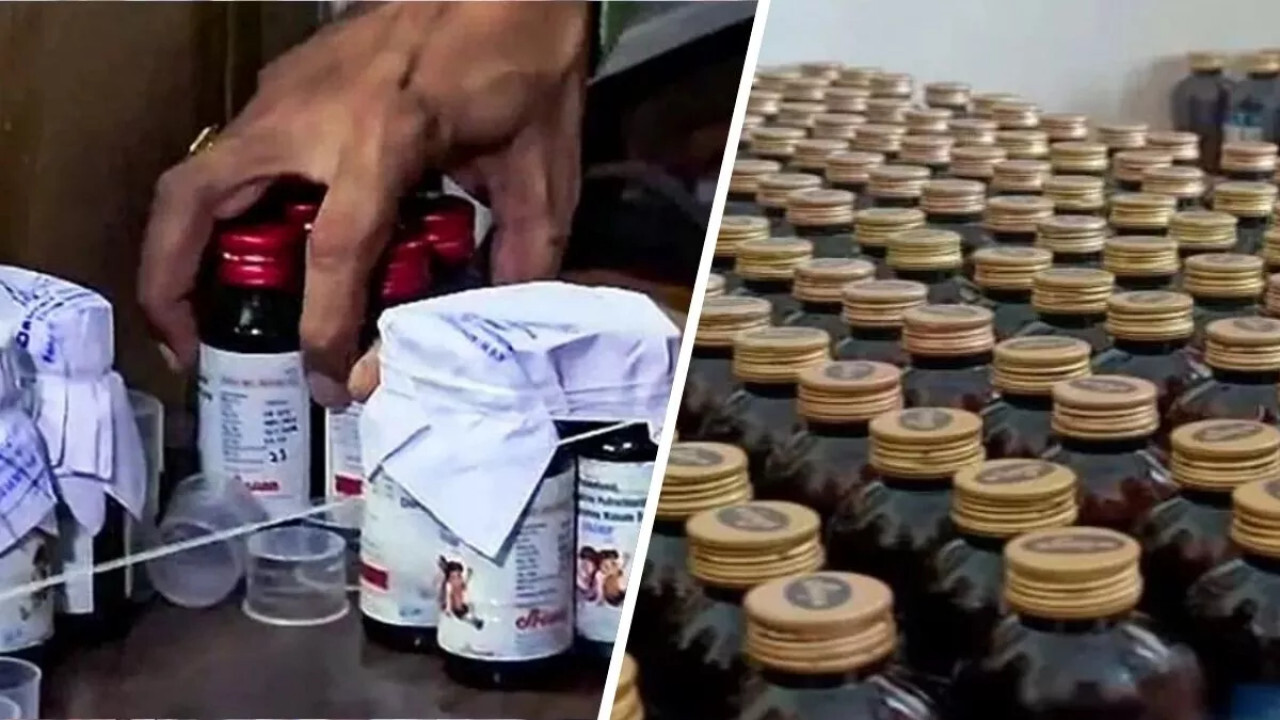
Following a spate of child fatalities linked to kidney failure in Madhya Pradesh, state drug authorities have detected excessively high levels of diethylene glycol (DEG)—a toxic impurity—in three cough syrup brands. The findings have renewed alarm over drug safety norms, regulatory lapses, and the urgent need for oversight in the pharmaceutical supply chain.
The Fallout: Children Affected
In one of the worst health tragedies in recent years, at least 14 children died from acute kidney failure after consuming contaminated cough syrups. Many others remain hospitalized, battling severe renal damage. These deaths triggered a flurry of inspections and lab tests by state drug control departments, which revealed that several popular cough syrups failed safety standards by wide margins.
Brands and DEG Levels
The inspections turned up three syrups with contaminant levels far exceeding the permissible limit of 0.1%:
- Cold Rif (manufactured by Srisan Pharma, Tamil Nadu) tested with approximately 48.6% DEG
- Respifresh (Rednex Pharmaceutical, Gujarat) showed about 1.3% DEG
- Relife (Shape Pharma, Gujarat) contained 0.6% DEG
These readings suggest not mere negligence but potentially gross oversight in raw material sourcing, manufacturing hygiene, or quality control protocols.
DEG: Why It’s Dangerous
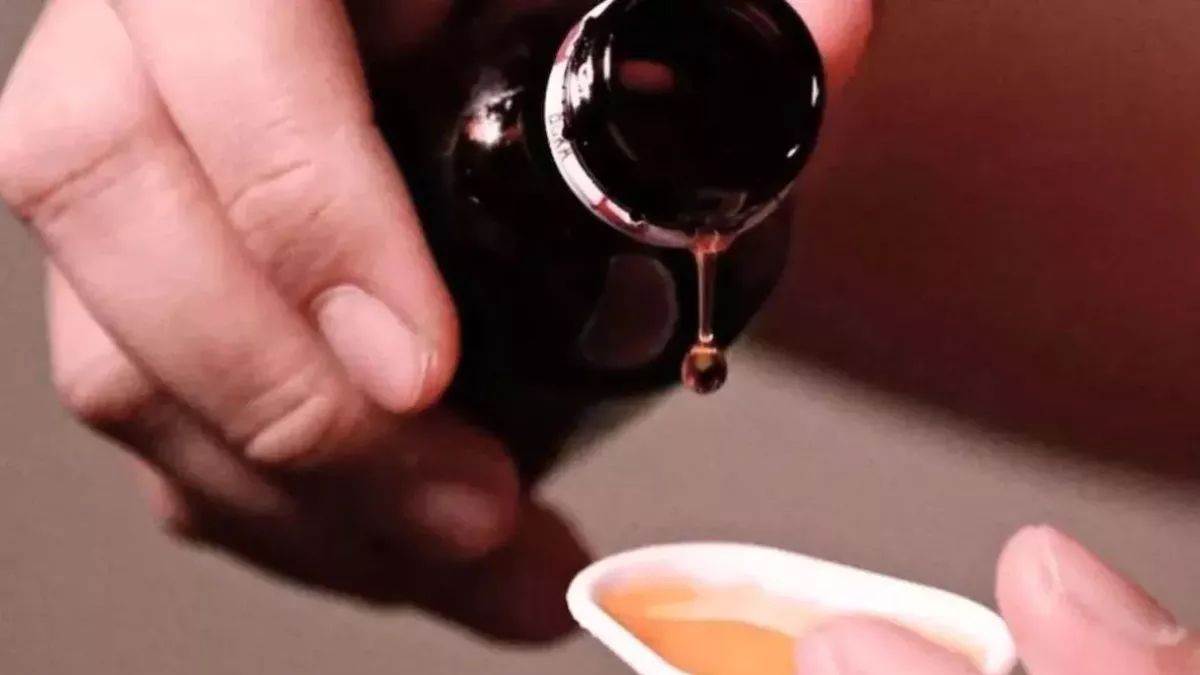
Diethylene glycol is a solvent commonly used industrially—such as in antifreeze or heat transfer applications—but is strictly controlled in pharmaceuticals. When ingested, it can cause symptoms such as nausea, vomiting, abdominal pain, and eventually acute kidney injury and central nervous system damage. In children, whose bodies are less tolerant to such toxins, the effects can be swift and fatal.
Regulatory Gaps and Systemic Weaknesses
Drug regulators’ investigation has revealed systemic problems:
- Manufacturing units appear to have used industrial-grade raw materials tainted with DEG instead of the required pharmaceutical-grade solvents
- Some syrup batches, especially those exported, undergo extra tests; domestic use batches often escape equally rigorous scrutiny
- Uneven state-level regulation and weak inspection capacities allow non-compliant products to slip through
- The current system overly relies on random batch sampling, allowing many contaminated bottles to enter circulation before detection
A World Health Organization (WHO) alert in 2022 had already spotlighted earlier outbreaks—in The Gambia and Uzbekistan—where dozens of children died due to DEG-laced syrups, but India’s internal control systems had shown little sustained reform since then.
Questions Raised & Needed Reforms
This crisis demands several urgent interventions:
- Mandated 100% batch testing for cough syrups before they hit market shelves
- Uniform import and domestic raw material standards with clear penalties for misuse of industrial-grade inputs
- Strengthened state drug regulatory units with modern labs and trained personnel
- Public disclosure of test results and company accountability
- Judicial or parliamentary oversight to probe corporate and regulatory failure
What’s Next
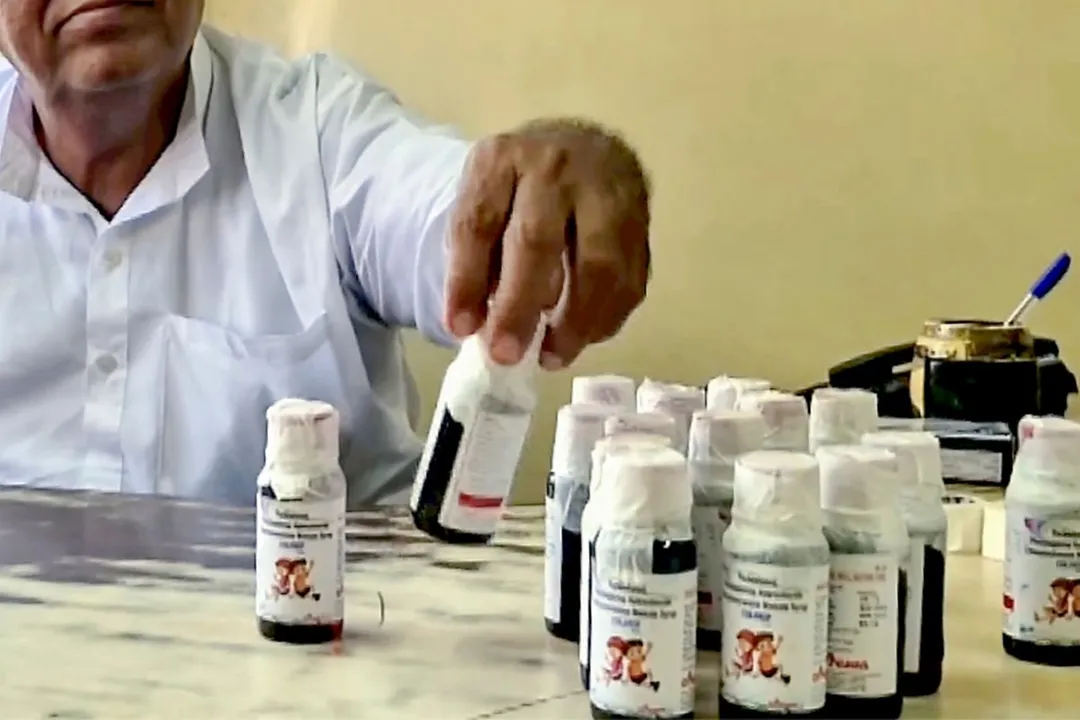
Authorities are conducting a full-scale inquiry into the manufacturers of the flagged syrups. They are also freezing existing stock, banning further sales, and requesting recall notices. Families of victims may seek legal recourse, and public demand for stronger safety laws is intensifying.
Until then, doctors and caregivers are being urged to avoid these brands, watch for early signs of kidney distress in children (such as reduced urine output), and prefer medicines from trusted manufacturers with transparent quality practices.