
India’s energy trade with the United States underwent a significant shift during the first quarter of financial year 2026-27, with imports of petroleum products, led largely by liquefied petroleum gas (LPG), registering a sharp increase even as purchases of American crude oil declined substantially.
Government trade data showed that India’s imports of petroleum products from the United States rose 254% year-on-year to around $2.60 billion during April-June 2026. In contrast, the value of crude oil imported from the US dropped by 57.5% to approximately $1.57 billion during the same period.
The contrasting movement in LPG and crude oil trade highlights how India’s energy procurement strategy is responding to changing international supply conditions, regional geopolitical tensions and the commercial requirements of domestic refiners.
LPG imports rise sharply amid global energy disruptions
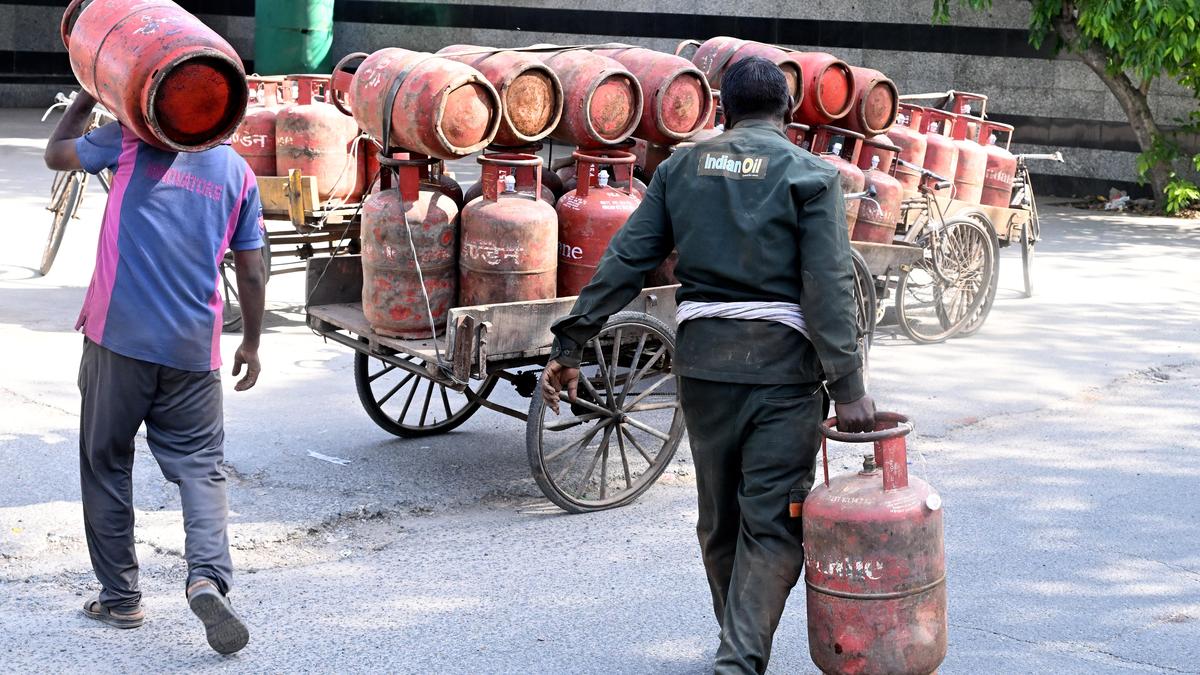
The most striking development was the surge in imports of LPG-related petroleum products from the United States. Imports of products consisting primarily of liquid propane and butane increased from roughly $735 million in the April-June quarter of 2025 to $2.60 billion during the corresponding period in 2026.
LPG is widely used in Indian households as cooking fuel and is also consumed by commercial and industrial establishments. Propane and butane, the principal components of LPG, can be transported in liquid form and are frequently imported separately before being supplied through the domestic distribution network.
The sharp rise in American supplies came against the backdrop of disruptions in international energy markets. The conflict and instability in West Asia affected traditional supply routes and created uncertainty around shipments from the Gulf region, encouraging Indian energy companies to seek supplies from alternative markets.
The United States consequently became an increasingly important source of LPG for India during the period under review.
The development also underlines the importance of diversification in India’s energy procurement strategy. With the country heavily dependent on imports to meet its energy requirements, disruptions in any major producing or transit region can have an immediate impact on procurement decisions.
US crude oil imports fall by more than half
While LPG imports from the US surged, India’s purchases of American crude oil moved sharply in the opposite direction.
Crude oil imports from the United States declined from about $3.70 billion in April-June 2025 to $1.57 billion in the same three-month period of 2026, representing a fall of 57.5%.
Industry considerations appear to have played a major role in the decline. Indian refiners regularly adjust their crude procurement depending on international prices, freight costs, refinery configurations, crude quality and the relative attractiveness of supplies from different producing countries.
Therefore, the fall in US crude imports does not necessarily indicate a broader deterioration in India’s energy relationship with Washington. Instead, it reflects the highly commercial nature of crude procurement, where refiners can shift purchases depending on market conditions.
The simultaneous rise in LPG imports and decline in crude purchases demonstrates that India’s energy trade decisions are increasingly product-specific rather than being determined by a single overall trend.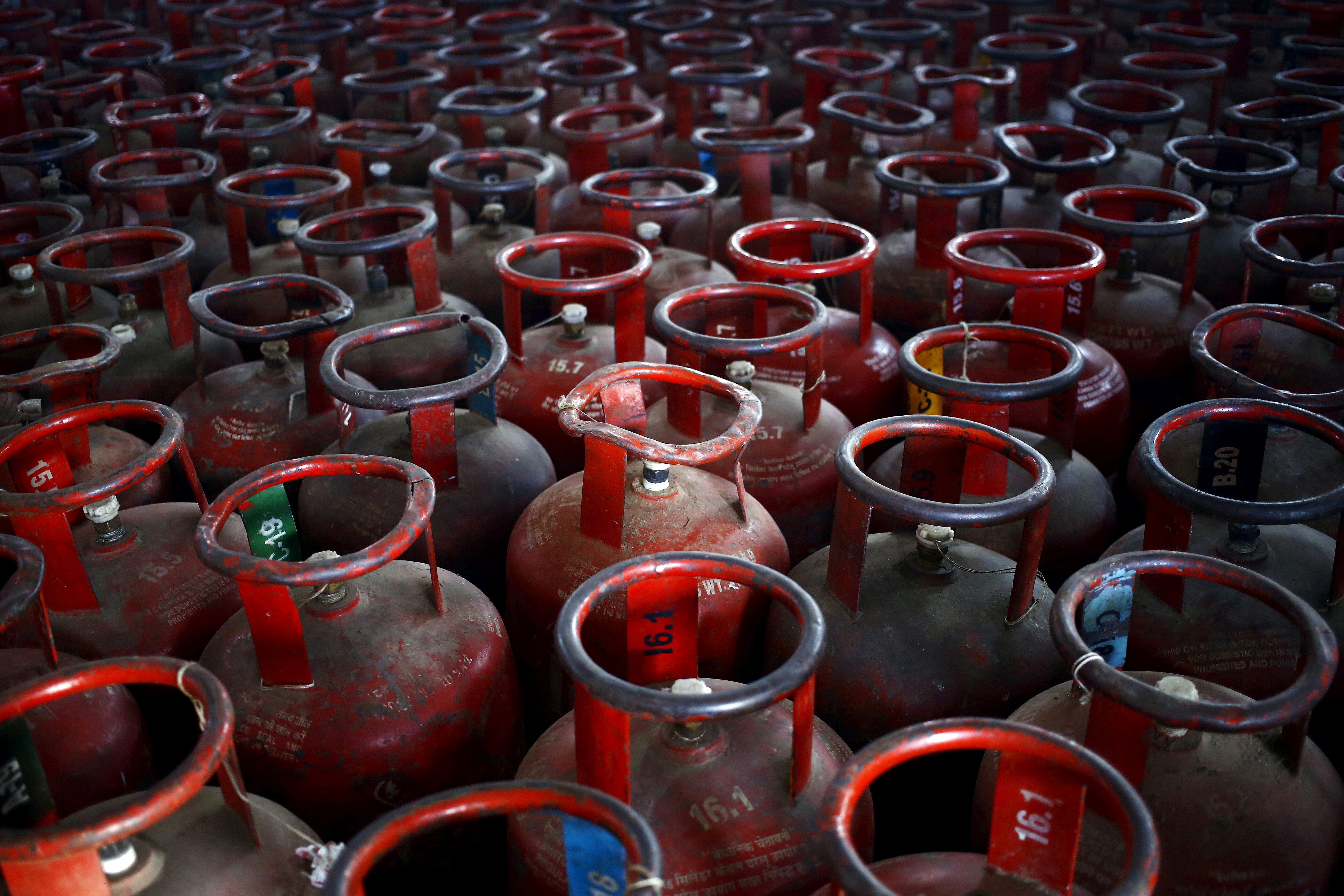
India-US merchandise trade expands
The changes in energy imports also contributed to an overall increase in India’s merchandise imports from the United States.
India imported goods worth approximately $16.65 billion from the US during the first quarter of FY27, compared with $13.44 billion during the same period a year earlier. This represents an increase of nearly 24%.
Exports to the US, however, remained broadly unchanged. India’s merchandise exports to the American market stood at around $25.46 billion during April-June 2026, marginally lower than the $25.48 billion recorded in the corresponding quarter of 2025.
The figures indicate that while the value of Indian imports from the US increased considerably, India’s export performance in the American market remained relatively stable.
The energy component was an important factor behind the rise in imports, particularly because of the exceptional increase in LPG purchases.
West Asia conflict reshapes energy sourcing
The changing pattern of India’s US energy imports comes at a time when geopolitical tensions have placed additional pressure on global energy markets.
West Asia remains critical to the global supply of oil and gas, while the Gulf region is particularly important for India’s energy security. Any disruption affecting production, shipping routes or maritime transportation can force importing countries to rapidly reassess their sourcing strategies.
For India, the situation has reinforced the importance of maintaining multiple sources of energy supply.
The sharp increase in LPG purchases from the United States suggests that American supplies provided an alternative at a time when conventional supply chains were facing uncertainty. Such diversification can help reduce the impact of disruptions affecting any individual supplier or geographic region.
However, increased dependence on alternative suppliers can also expose importers to changes in shipping costs, global commodity prices and currency movements.
Export growth remains a major government priority
The latest trade figures come as the government continues to focus on strengthening India’s export performance.
The Commerce Ministry has been engaging with industry associations and export promotion organisations to discuss measures aimed at increasing overseas shipments and improving India’s trade position in key markets, including the United States.
India’s cumulative merchandise exports during the first four months of FY27, from April through July 2026, increased by more than 17% to approximately $173.78 billion.
The government is also targeting a major expansion in India’s overall international trade. Policymakers are seeking to achieve combined goods and services exports of $1 trillion during the current financial year.
India’s total exports in FY26 were estimated at around $863 billion, comprising approximately $442 billion in merchandise exports and $421 billion in services exports.
Trade diversification gains greater importance
The changing composition of India’s trade with the US also reflects a broader effort to diversify both export destinations and import sources.
For energy, diversification is particularly important because India is one of the world’s major energy-consuming economies and remains significantly dependent on overseas supplies.
The sharp rise in US LPG imports illustrates how global supply disruptions can quickly alter established trade patterns. At the same time, the decline in US crude purchases shows that refiners continue to make procurement decisions based primarily on commercial considerations.
For Indian policymakers, maintaining access to reliable energy supplies while controlling import costs will remain an important economic priority.
The government is also looking to expand exports across a wider range of products and markets, reducing excessive dependence on individual sectors or destinations.
India-US economic engagement remains significant
Despite fluctuations in individual commodities, the broader trade relationship between India and the United States remains economically important.
The rise in India’s total merchandise imports from the US indicates continued commercial engagement between the two economies. Meanwhile, the relatively stable level of Indian exports suggests that American demand remains an important component of India’s external trade.
Further discussions between the two countries are expected to focus on trade, market access and opportunities for expanding bilateral commerce.
The next phase of India-US economic engagement will therefore have to balance energy requirements, export ambitions and changing global geopolitical conditions.
Energy security at the centre of India’s trade strategy
The latest figures provide a clear indication of how rapidly India’s energy sourcing patterns can change when global supply chains come under pressure.
A 254% increase in US petroleum-product imports, dominated by LPG, occurred alongside a 57.5% decline in American crude purchases. The two developments, taken together, show that India’s energy trade is being shaped by a combination of geopolitical developments and commercial calculations.
For India, securing reliable LPG supplies is particularly important because of the fuel’s extensive use across households and businesses. Maintaining access to multiple international suppliers can provide greater flexibility during periods of market disruption.
At the same time, refiners are likely to continue adjusting crude procurement according to prices, freight economics and operational requirements.
The first-quarter trade figures therefore point to a more flexible and diversified Indian energy strategy, with the United States emerging as an increasingly important supplier of LPG even as its role in India’s crude oil basket fluctuates.
As global energy markets remain vulnerable to geopolitical shocks, India’s ability to diversify suppliers and maintain stable fuel availability will remain crucial for both energy security and economic stability.