
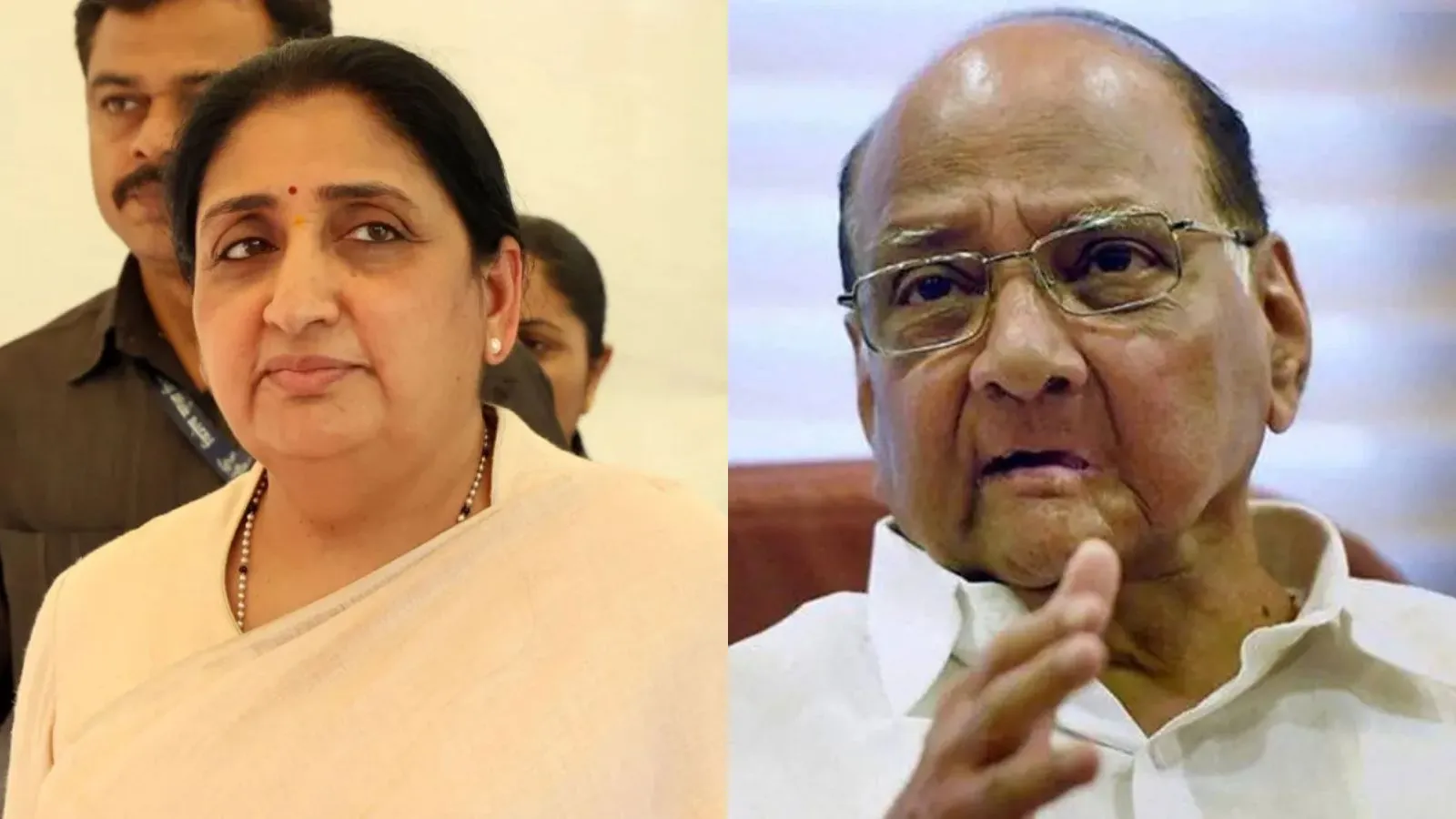
The possibility of a political reunion between the two factions of the Nationalist Congress Party (NCP) has once again become a topic of discussion in Maharashtra’s political circles. According to political sources, the Bharatiya Janata Party (BJP) is believed to be interested in bringing together the rival groups led by Ajit Pawar and Sharad Pawar. However, the proposal is reportedly facing resistance from within the Ajit Pawar camp, particularly from Sunetra Pawar, who is said to be opposed to any immediate merger.
The developments come at a time when Maharashtra’s political landscape remains fluid, with alliances and party strategies continuing to evolve ahead of future electoral contests.
BJP Reportedly Sees Strategic Value in a Unified NCP
Political observers believe that the BJP views a reunified NCP as a potential way to reduce internal political uncertainty within the ruling alliance and strengthen the National Democratic Alliance (NDA) in Maharashtra. A merger could also help consolidate the support base of both NCP factions, minimizing electoral competition between leaders who once belonged to the same political family.
Sources suggest that BJP leaders have informally explored the possibility of reconciliation between the two groups. Although there has been no official announcement from any of the parties involved, discussions surrounding a possible reunion have continued to surface in political circles.
Sunetra Pawar Reportedly Opposes Merger
Despite speculation over a possible merger, Sunetra Pawar is understood to be against the idea at this stage. Political insiders indicate that she believes the Ajit Pawar-led faction should continue functioning independently rather than reunite with the Sharad Pawar-led group.
Her reported position reflects concerns that a merger could weaken the identity and political gains achieved by the faction since the split. Those close to the leadership believe that maintaining the current organizational structure offers greater political stability and preserves the faction’s autonomy within the ruling alliance.
While Sunetra Pawar has not publicly detailed her objections, her reported stance has become an important factor in the ongoing political discussions. 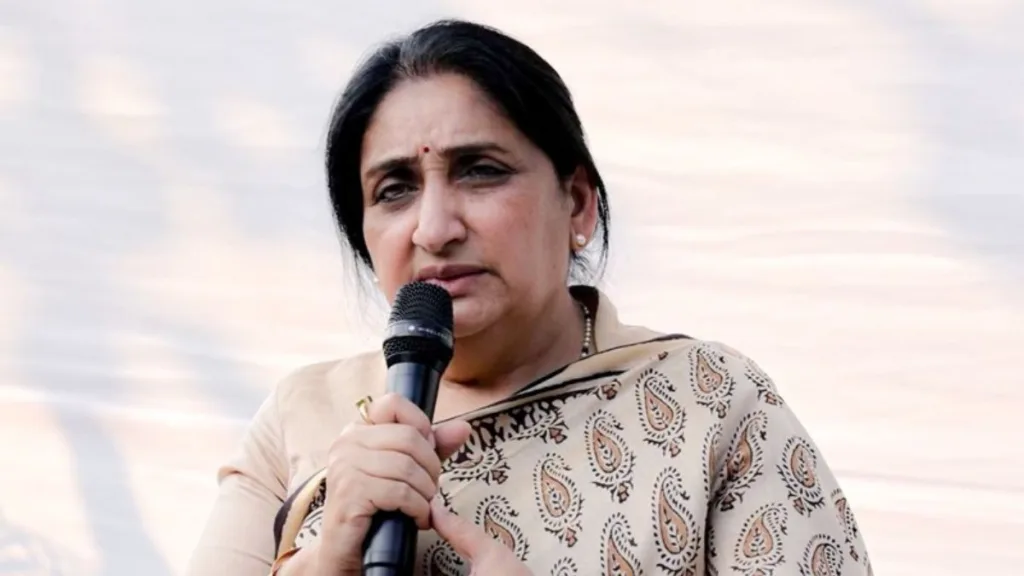
Background of the NCP Split
The Nationalist Congress Party witnessed a major split when Ajit Pawar broke away from the original leadership under Sharad Pawar and joined the BJP-led government in Maharashtra. The division resulted in legal, organizational, and electoral battles over the party’s identity, leadership, and political future.
Since then, both factions have worked independently, building separate political strategies while continuing to compete for influence within Maharashtra politics. The split significantly reshaped the state’s political dynamics and altered alliance equations.
Merger Would Require Political Consensus
Political analysts note that any merger between the two factions would require agreement from senior leaders on both sides, along with a clear roadmap for leadership, organizational structure, and future electoral planning.
Experts also believe that personal political ambitions, regional influence, and differing strategic priorities could make negotiations difficult. The concerns reportedly expressed by Sunetra Pawar highlight the complexities involved in reunifying a party that has functioned separately for an extended period.
At present, no formal proposal for a merger has been publicly confirmed by either faction. Leaders from both camps have largely remained cautious in their public remarks, leaving the matter open to speculation.
Impact on Maharashtra Politics
If a reunion eventually materializes, it could significantly reshape Maharashtra’s political landscape by consolidating the NCP’s voter base and influencing alliance strategies ahead of upcoming elections. Such a development may also affect seat-sharing arrangements within the NDA and alter the balance of power among regional political parties.
However, the reported differences within the Ajit Pawar faction indicate that achieving consensus will not be straightforward. Internal resistance could delay or even prevent any formal move toward reunification unless broader political agreement is reached.
For now, the prospect of an NCP merger remains a subject of political discussion rather than a confirmed decision. With multiple stakeholders involved and differing viewpoints emerging from within the party, the coming months are likely to determine whether reconciliation becomes a political reality or remains an unfulfilled possibility.