
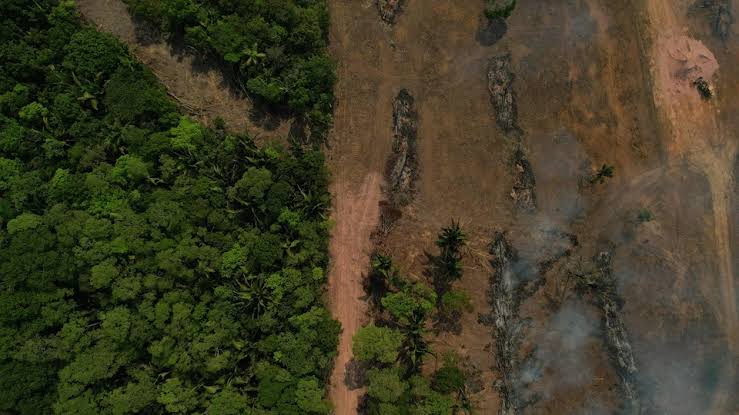
India’s continued push to expand domestic coal production has sparked fresh environmental concerns after several major coal mining projects received official approvals that could lead to the felling of nearly 400,000 trees. The clearances, granted for a series of mining developments across different states, have reignited the debate over balancing energy security with environmental conservation.
The approved projects are expected to contribute significantly to the country’s coal output, which remains a critical source of electricity generation and industrial fuel. However, environmental experts and conservationists have expressed concern that the loss of extensive forest cover could have long-term ecological consequences, including habitat destruction, biodiversity loss, and increased carbon emissions.
Large-Scale Forest Diversion for Mining
The newly approved coal projects require substantial diversion of forest land to facilitate mining operations, infrastructure development, transportation networks, and associated facilities. As part of these developments, an estimated 400,000 trees are likely to be removed, making the approvals among the largest recent forest diversions linked to coal extraction.
Many of the affected forest areas are considered ecologically important and support a variety of plant and animal species. These forests also play a crucial role in maintaining groundwater recharge, preventing soil erosion, regulating local weather patterns, and acting as natural carbon sinks.
Environmental specialists warn that replacing mature forests with compensatory plantations may not immediately restore the ecological functions lost through large-scale tree felling, as newly planted trees require decades to provide comparable environmental benefits.
Government Focuses on Energy Security
Authorities have defended the approvals by emphasizing India’s growing demand for electricity and the need to strengthen domestic coal production. As one of the world’s largest consumers of coal, India continues to rely heavily on the fuel to meet power generation requirements while supporting industrial growth and infrastructure development.
Officials argue that expanding domestic mining can reduce dependence on imported coal, improve energy security, and ensure a stable fuel supply for thermal power plants. The projects are also expected to generate employment opportunities, stimulate local economic activity, and contribute to regional development through improved infrastructure.
The approvals form part of a broader strategy aimed at increasing domestic resource extraction while supporting the country’s economic growth objectives. 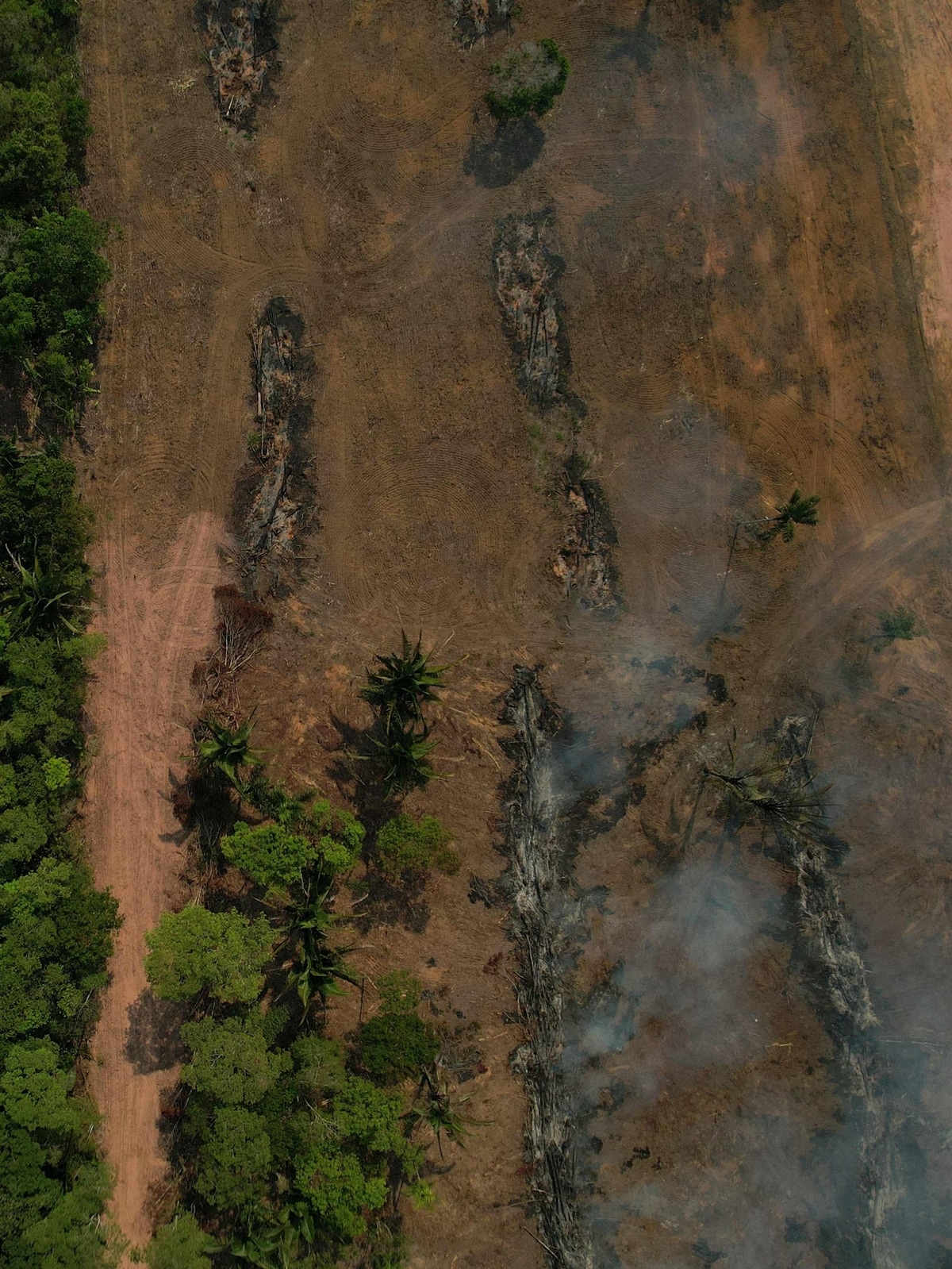
Environmental Concerns Intensify
Despite the anticipated economic benefits, environmental organizations have raised serious concerns over the cumulative impact of multiple mining projects receiving approval in forested regions. Experts caution that continuous diversion of forests could accelerate habitat fragmentation, disrupt wildlife movement, and threaten vulnerable species already under pressure from human activities.
The removal of large forest areas may also weaken the natural ability of ecosystems to absorb carbon dioxide, potentially affecting India’s broader climate commitments. Forests play an essential role in regulating rainfall patterns, preserving biodiversity, and maintaining ecological balance, making their protection a key environmental priority.
Conservationists argue that the environmental costs of extensive mining should be carefully evaluated alongside economic gains. They have called for stronger environmental safeguards, transparent monitoring mechanisms, and scientific assessments before permitting further expansion into sensitive forest landscapes.
Impact on Local Communities
The proposed mining activities could also affect communities living in and around forest regions. Many rural and tribal populations depend on forests for livelihoods, including the collection of forest produce, agriculture, grazing, and access to water resources.
Environmental groups believe that any large-scale diversion of forests should include comprehensive rehabilitation plans, fair compensation, and meaningful consultation with affected communities. They stress that sustainable development requires balancing economic growth with the protection of natural resources and the rights of local residents.
Balancing Development and Conservation
India faces the complex challenge of meeting rapidly increasing energy demand while preserving its natural ecosystems. Coal remains central to the country’s energy mix, even as renewable energy capacity continues to expand.
Experts suggest that long-term planning should prioritize cleaner energy technologies, improved mining practices, and careful selection of project locations to minimize environmental damage. They also recommend strengthening forest restoration efforts and enhancing biodiversity conservation to offset unavoidable ecological impacts.
The latest approvals highlight the ongoing tension between industrial expansion and environmental protection. As coal production continues to grow, policymakers will face increasing pressure to ensure that development proceeds without causing irreversible damage to India’s forests and ecological heritage.
The debate surrounding these projects is expected to continue as environmental experts, policymakers, local communities, and industry stakeholders seek solutions that support both economic progress and sustainable environmental management.