

India has officially launched its campaign to secure a non-permanent seat on the United Nations Security Council (UNSC) for the 2028–29 term, marking the beginning of an extensive diplomatic effort to strengthen its role in global governance. The campaign reflects New Delhi’s continued commitment to promoting international peace, security, sustainable development, and reforms within the United Nations system.
The campaign was formally announced at the United Nations Headquarters by External Affairs Minister S. Jaishankar during a gathering attended by diplomats, ambassadors, and representatives from member states. The event served as a platform for India to present its priorities and vision for contributing to the Security Council if elected.
India Introduces the ‘SHANTI’ Vision
At the heart of India’s campaign is a new diplomatic framework called SHANTI, an acronym for Securing Holistic Advancement through Norms, Trust and Integrity.
The initiative outlines India’s vision for a more inclusive, transparent, and cooperative international system. According to Indian officials, the framework emphasizes respect for international law, mutual trust among nations, integrity in global institutions, peaceful resolution of conflicts, and sustainable development.
The SHANTI vision also highlights India’s belief that dialogue, cooperation, and multilateral engagement are essential to addressing today’s complex global challenges, including armed conflicts, terrorism, climate change, humanitarian crises, food security, and economic uncertainty.
Bid for the Asia-Pacific Seat
India is contesting for the single non-permanent Security Council seat allocated to the Asia-Pacific Group for the 2028–29 term. The election is expected to take place during the United Nations General Assembly session in 2027.
If elected, India will begin its two-year tenure in January 2028. The campaign will involve sustained diplomatic outreach to member nations over the next two years as India seeks widespread international support.
India previously served as a non-permanent member of the Security Council during the 2021–22 term, where it actively participated in discussions on global peace, maritime security, counter-terrorism, peacekeeping operations, and reforms of international institutions. 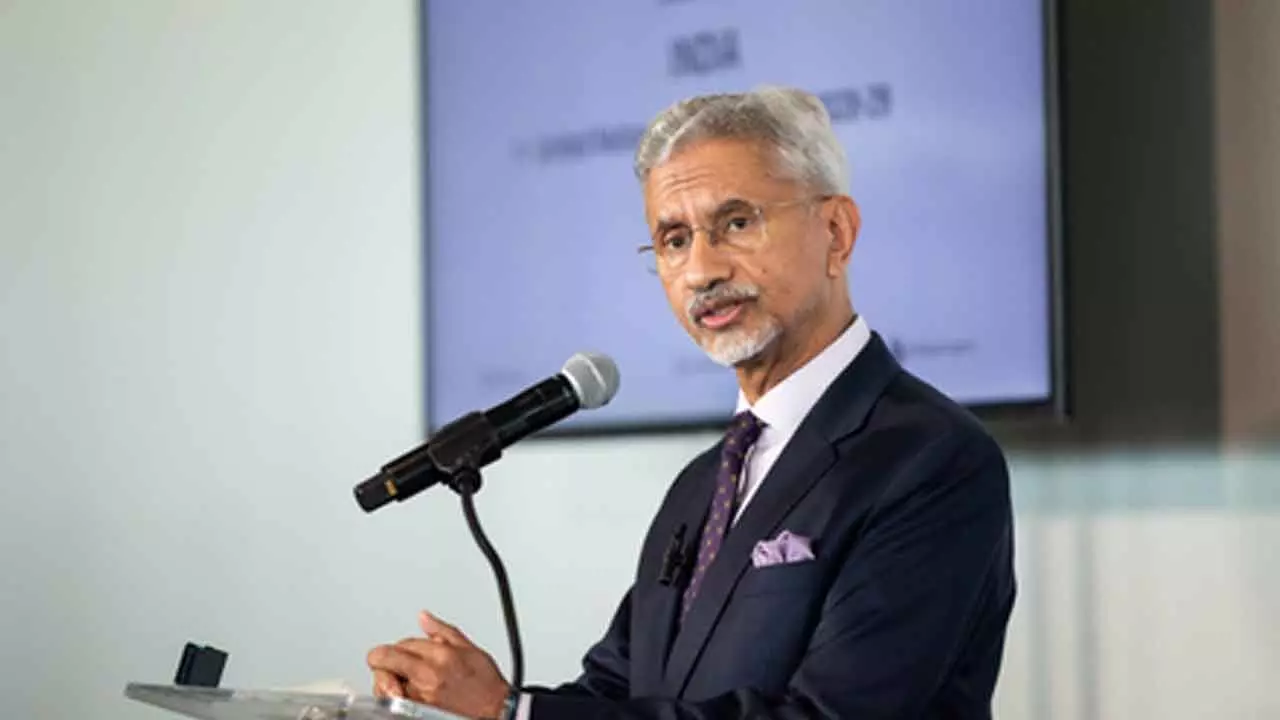
India’s Contributions to Global Peace
India has consistently projected itself as a responsible global partner and one of the largest contributors to United Nations peacekeeping missions. Over the decades, thousands of Indian military personnel have participated in peacekeeping operations across conflict zones, earning international recognition for their professionalism and dedication.
Beyond peacekeeping, India has played an active role in humanitarian assistance, disaster relief, sustainable development initiatives, and South-South cooperation. The country has also supported developing nations through capacity-building programs, technology partnerships, and development assistance.
Officials believe these contributions strengthen India’s credentials for another term on the Security Council.
Renewed Demand for UN Reforms
The launch of the campaign also reinforces India’s long-standing demand for comprehensive reforms of the United Nations Security Council.
India has repeatedly argued that the Council’s current structure no longer reflects modern geopolitical realities and that developing countries deserve greater representation in global decision-making.
New Delhi continues to advocate for expanding both permanent and non-permanent membership categories to make the Security Council more representative, transparent, and effective. India maintains that meaningful reform is essential to ensure the UN remains relevant in addressing contemporary global challenges.
Strengthening India’s Global Role
India’s campaign forms part of its broader strategy to expand its influence within international institutions and contribute more actively to shaping global policies.
During the campaign launch, Indian representatives reiterated the country’s commitment to promoting a rules-based international order, peaceful conflict resolution, respect for sovereignty, and stronger cooperation among nations. India also emphasized its intention to continue championing the interests of the Global South while working closely with all member states to address common challenges.
The campaign reflects India’s growing diplomatic engagement across regions and its aspiration to play a larger role in international governance.
Looking Ahead
With the election scheduled for 2027, India is expected to undertake an extensive diplomatic campaign to secure support from United Nations member states. The coming months will see increased engagement through bilateral meetings, regional forums, and multilateral platforms.
If successful, India will serve its ninth term as a non-permanent member of the United Nations Security Council, further strengthening its position as one of the leading voices in global diplomacy.
The campaign is not only about securing a seat on the Council but also about advancing India’s vision for a more inclusive, accountable, and effective international system. Through its SHANTI initiative, India aims to reinforce its commitment to peace, cooperation, and collective progress while contributing meaningfully to addressing the world’s most pressing challenges.