
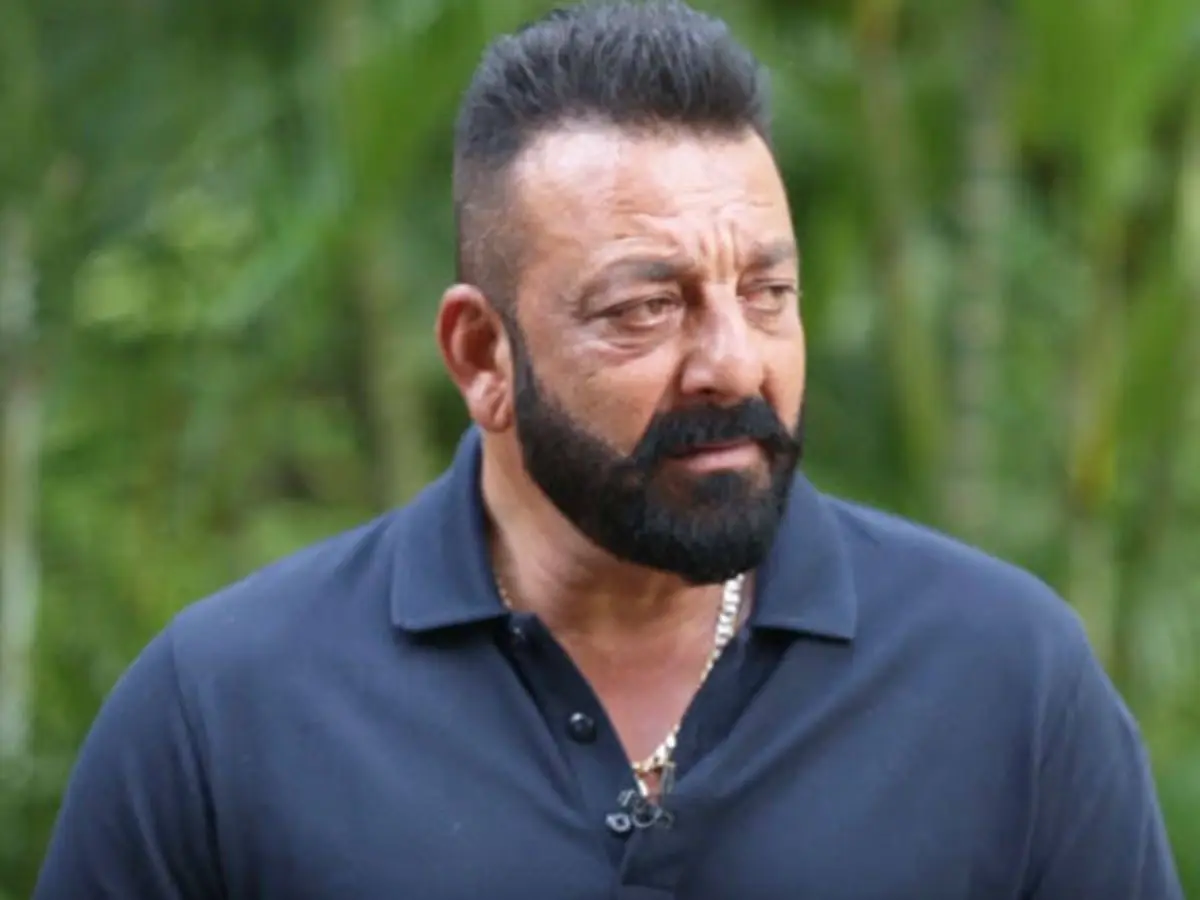
Former public prosecutor Ujjwal Nikam has shared fresh insights into one of the most closely watched legal proceedings in Bollywood history, recalling actor Sanjay Dutt’s emotional state when the court pronounced its verdict in the 1993 Arms Act case. Speaking about the landmark trial, Nikam said the actor appeared deeply anxious and was “virtually shaking” as he awaited the court’s decision.
The case, which remained in the public spotlight for years, stemmed from investigations following the 1993 Mumbai serial bomb blasts. Although Sanjay Dutt was not convicted under anti-terrorism laws, he was found guilty under the Arms Act for illegally possessing prohibited firearms. The judgment marked a significant turning point in both his personal life and professional career.
Nikam Recalls the Courtroom Atmosphere
Reflecting on the day the verdict was delivered, Ujjwal Nikam described the courtroom as tense, with everyone closely watching the proceedings. According to him, Sanjay Dutt appeared extremely nervous while waiting to hear the court’s decision.
Nikam said the actor’s body language clearly reflected the immense pressure he was under. He recalled that Dutt was visibly trembling throughout the proceedings, fully aware that the verdict would have a major impact on his future.
The former prosecutor explained that the emotional intensity inside the courtroom was unmistakable, as years of investigation, legal arguments, and public scrutiny had culminated in that single moment.
Background of the Case
The legal proceedings against Sanjay Dutt originated after investigators recovered prohibited weapons, including an AK-56 rifle and other firearms, from the actor’s residence. The weapons were allegedly obtained through individuals linked to the conspiracy behind the 1993 Mumbai serial bomb blasts.
While investigators examined possible terror-related links during the investigation, the court eventually acquitted Dutt of charges under the Terrorist and Disruptive Activities (Prevention) Act (TADA). However, he was convicted under the Arms Act for illegal possession of weapons.
The verdict distinguished between involvement in terrorist activities and unlawful possession of prohibited firearms, leading to his conviction solely under the Arms Act. 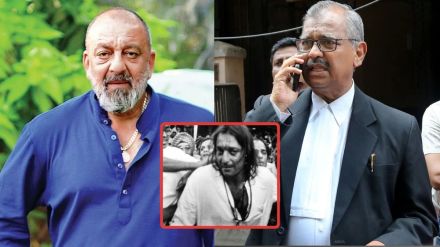
Legal Journey Spanning Nearly Two Decades
The case remained one of India’s longest-running and most closely followed criminal proceedings involving a film celebrity. Over the years, Sanjay Dutt repeatedly appeared before investigative agencies and courts while continuing portions of his acting career.
Following his conviction, the Supreme Court upheld the Arms Act verdict and sentenced him to five years in prison. Since he had already spent a significant period in custody during the investigation and trial, he later returned to jail to complete the remainder of his sentence.
His imprisonment brought several film projects to a halt and significantly affected his career, though he eventually resumed acting after completing his sentence.
Public and Industry Attention
Sanjay Dutt’s legal battle generated widespread debate across the country, with reactions coming from members of the film industry, legal experts, and the general public. The case often became a subject of discussion due to its connection with the 1993 Mumbai bomb blasts and the actor’s celebrity status.
Many viewed the proceedings as an example of the judicial system distinguishing between terrorism-related allegations and offences under other criminal laws. The case also highlighted the lengthy nature of complex criminal trials in India.
Nikam Reflects on a Historic Trial
Looking back, Ujjwal Nikam described the proceedings as one of the defining cases of his legal career. He emphasized that courtroom decisions are based solely on evidence and legal provisions, irrespective of an individual’s popularity or public image.
His recollection of Sanjay Dutt’s emotional reaction has once again drawn attention to a case that continues to be remembered as one of the most significant intersections of Indian cinema and the country’s criminal justice system.
Even years after the verdict and completion of the sentence, the case remains an important chapter in India’s legal history and in Sanjay Dutt’s life, serving as a reminder of the long-lasting consequences of criminal proceedings involving high-profile public figures.