

Tensions between India and Pakistan have intensified after Pakistan’s Defence Minister issued a stern warning regarding the future of the Indus river system, stating that any attempt to deprive Pakistan of its share of water could trigger a severe confrontation between the two nuclear-armed neighbors.
The remarks come amid renewed debate surrounding the management of the Indus river basin and growing concerns in Islamabad over potential changes to water-sharing arrangements that have governed relations between the two countries for decades.
The Pakistani leadership has repeatedly emphasized that water security remains a critical national interest and that any action perceived as threatening the country’s access to river waters would be viewed as a serious challenge to its sovereignty and economic stability.
Water Security at the Center of the Dispute
The Indus river system serves as a lifeline for Pakistan’s agriculture, industry, and domestic consumption. Millions of people depend directly on the river network for irrigation and drinking water, making the issue one of the most sensitive aspects of India-Pakistan relations.
Pakistan’s Defence Minister warned that any effort to restrict or divert water flowing into Pakistan would be considered unacceptable. He stressed that the country would use every available option to safeguard its water rights and national interests.
The statement reflects growing anxiety within Pakistan over the future of regional water-sharing mechanisms and the broader geopolitical implications of any changes to existing arrangements.
Historical Significance of the Indus Waters Agreement
The dispute centers on the Indus Waters Treaty, a landmark water-sharing agreement signed in 1960 that has long been regarded as one of the world’s most successful transboundary river treaties.
The agreement allocates the waters of the eastern rivers to India while granting Pakistan rights over the western rivers, subject to specific provisions and limitations. Despite multiple wars, military standoffs, and periods of intense diplomatic hostility, the treaty has largely remained operational for more than six decades.
However, recurring disagreements over hydroelectric projects, water management infrastructure, and interpretations of treaty provisions have periodically strained relations between the two countries. 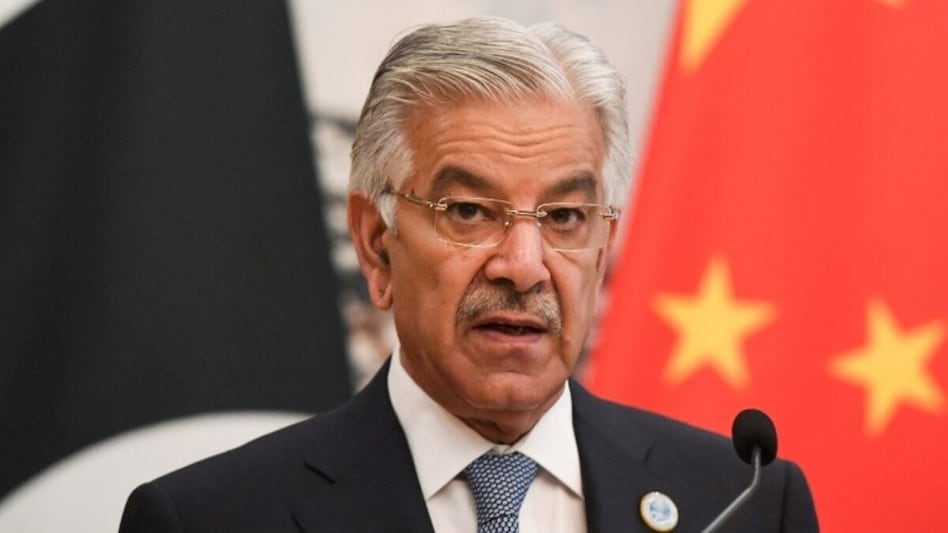
Escalating Political Rhetoric
The latest warning signals an escalation in political rhetoric surrounding the issue. Pakistani officials argue that any move affecting the natural flow of water into the country could have devastating consequences for agriculture, food security, and economic development.
The Defence Minister’s remarks underline the strategic importance that Pakistan attaches to the Indus basin. Analysts note that water security has increasingly become intertwined with national security considerations in South Asia, particularly as climate change, population growth, and rising water demand place additional pressure on regional resources.
The statement also highlights the growing concern among policymakers that future disputes over natural resources could become major sources of geopolitical tension.
India-Pakistan Relations Under Continued Strain
Relations between India and Pakistan have remained strained in recent years, with disagreements spanning security, diplomacy, cross-border issues, and regional stability. The water dispute now appears to be emerging as another major flashpoint in an already complex bilateral relationship.
Experts believe that while strong political statements often serve domestic and diplomatic purposes, prolonged tensions over water management could complicate efforts to maintain stability in the region.
Given the critical importance of the Indus river system to both nations, many observers argue that dialogue, technical consultations, and treaty-based mechanisms remain essential for preventing further escalation.
Regional and International Concerns
The latest developments have attracted attention from regional observers who view water security as an increasingly important geopolitical issue across South Asia. With climate-related challenges affecting river flows and agricultural productivity, disputes over shared water resources are expected to become more prominent in the coming years.
International experts have repeatedly stressed the need for cooperative water governance and sustained diplomatic engagement between neighboring countries that share major river systems.
As tensions rise over the future of the Indus waters arrangement, policymakers and analysts will closely monitor whether the dispute remains confined to political rhetoric or evolves into a broader diplomatic confrontation.
Conclusion
Pakistan’s latest warning underscores the strategic significance of the Indus river system and highlights the growing sensitivity surrounding water-sharing arrangements in South Asia. While both countries remain bound by longstanding treaty obligations, the sharp rhetoric reflects deeper concerns about water security, regional stability, and the future of bilateral relations. The coming months are likely to be crucial in determining whether dialogue prevails or tensions over one of the region’s most vital resources continue to escalate.